You’re standing in your backyard, imagining something better than patchy grass or cracked concrete. Paver patios offer that upgrade, but the choices quickly overwhelm you—colors, patterns, features, terrain challenges. The right design doesn’t just look good; it solves real problems you’re already facing. Here’s where you should actually start.
Choose Paver Colors That Complement Your Home’s Exterior

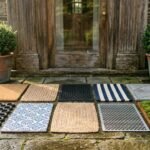
Why settle for a patio that clashes with your home? You’ll transform your backyard by selecting paver colors that harmonize with your exterior palette. Start by examining your brick, siding, or stucco tones. You’ll notice warm undertones invite earthy terracotta or beige pavers, while cool grays pair elegantly with slate or blue-gray stone. Don’t forget your roof color—it anchors your home’s overall aesthetic. You’ll create cohesion by echoing existing hues rather than introducing competing shades. Test samples in natural light at different times of day; colors shift dramatically from morning to evening. You’ll avoid costly regrets by living with samples for a week. Consider your long-term vision too. You’ll appreciate classic neutrals that won’t tire your eye or complicate future exterior updates. Ultimately, you’ll craft an extension that feels intentional, not accidental.
Recommended Products

【Extra Large Size】This grill mat's size is 76 x 52 inches, serving as a robust shield against stray embers or flames. It effectively collects spills, splashes, and other debris, safeguarding your floors from oil, sauce, charcoal, and heat. This minimizes the cleaning effort, enabling you to fully relish your outdoor experience. Unlike other sizes of grill mats, it can accommodate any size of large grill, perfect for large gatherings

FIRE RESISTANT MATERIAL FOR SUPERIOR PROTECTION: Fireside Outdoor fire pit mat is designed with thermal weave fiber and high-temperature silicone, making it great as a fire pit mat for deck fireproof. Whether you're using it as a fire pit mat for wood deck, fire pit mat for grass, or deck fire pit mat, it offers reliable protection against flying embers and high heat. Protect your surfaces with this fireproof mat for under fire pit, ideal for BBQs and fire pits on any outdoor surface.

[3 IN 1]: OutVue fire pit is equipped with 2 cooking grills, 1 lid and tabletop. When you fix grills and tabletop to the fire pit, you can enjoy the roast and bonfire. When it not make fire and cover the lid, you will get a 36 inch round table to have a meal or coffee for 6-8 persons. OutVue provide a wood fire pit has 3 functions: bonfire, barbecue and table, which can be used all year for your garden, yard, patio. This's also a very thoughtful gift to friends.
Build a Fire Pit Patio for Year-Round Entertaining
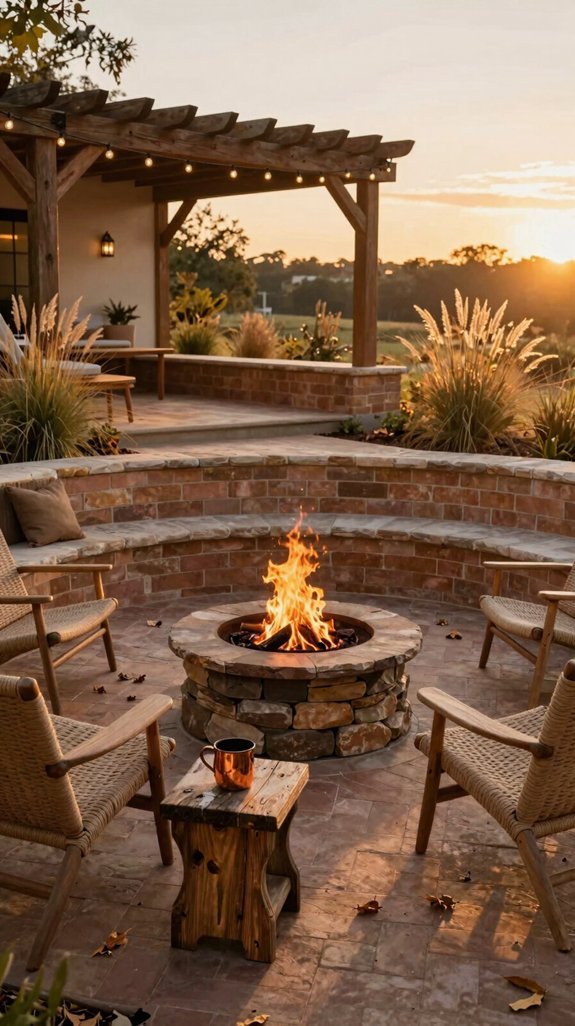
Once you’ve settled on pavers that complement your home, you’ll want to create a space that draws people outdoors even after sunset. A fire pit patio transforms your backyard into a year-round destination where you’ll gather friends and family regardless of the season.
Position your fire pit as the focal point, arranging paver seating walls or freestanding chairs in a circular formation. You’ll want to extend the paver surface at least six feet beyond the fire pit’s edge to accommodate foot traffic and prevent ember damage. Choose heat-resistant pavers for the inner ring, as they’ll withstand direct exposure.
Install low-voltage lighting along pathways so guests navigate safely after dark. You’ll appreciate how the fire’s glow reflects off surrounding pavers, amplifying warmth and ambiance. Add weather-resistant cushions and a wood storage nook nearby. You’ve now built an outdoor room that functions beautifully from crisp autumn evenings through cool spring nights.
Recommended Products

Protect Your Deck and Patio: 36 inch round fireproof and oil-resistant mat can protect your deck, patio, lawn from embers, hot oil, sauces and food stains, prevent fire risks, reduce the burden of cleaning, perfect for fire pits, grills, fireplaces, etc.
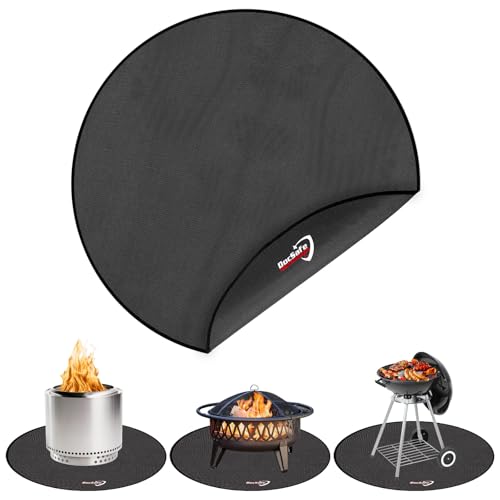
Double-Sided Fireproof and Waterproof: 48 inch round Fireproof fire pit mat is made of four layered non-itchy silicone coated fiberglass which stands up the temperature up to 2000℉. It has passed the UL94 -V0/5VA flame retardant test. Fire pit mat is not only fireproof but also waterproof, grease does not stick to them and they are easy to clean. The four layers of material make it last longer. It can perfectly protect your deck, patio, lawn, allowing you to easily enjoy barbecue and outdoors

Easy Installation: The 8-piece fire pit ring insertion kit is easy to assemble and can be assembled in just a few minutes.Seamless design allows for easy installation and integration into your DIY fire pit project.Fixed with screws, it will not easily fall off during use. Let you have more time to enjoy the joy brought by flames.
Soften Straight Lines With Curved Paver Edges
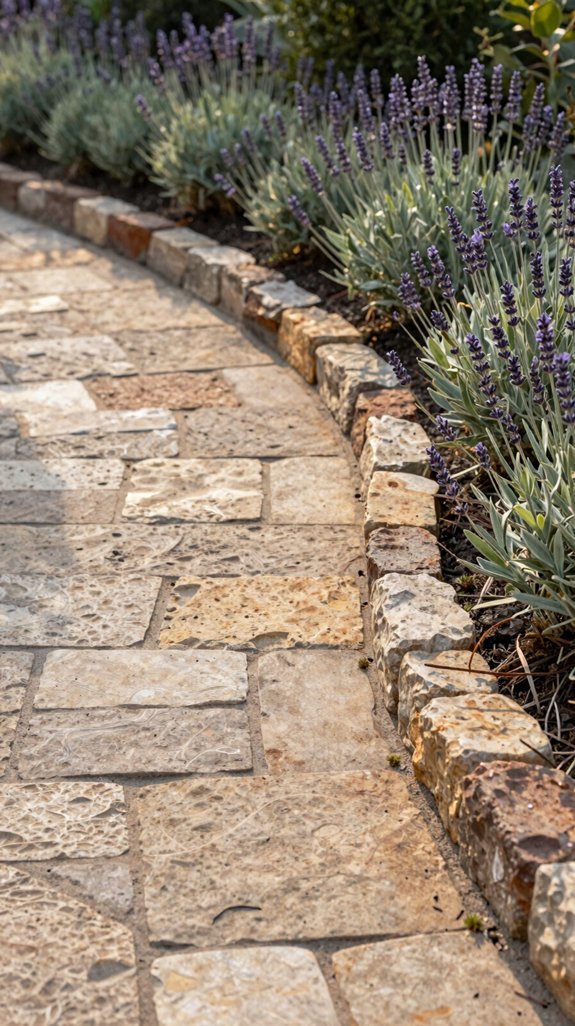
Where rigid geometry dominates your landscape, curved paver edges introduce organic movement that transforms your backyard’s entire character. You sweep away harsh angles and embrace flowing contours that guide the eye naturally through your outdoor space.
You’ll find curved edges complement winding garden beds, kidney-shaped lawns, and meandering pathways beautifully. They break up monotonous rectangular plots and create visual interest where straight lines feel imposed. When you plan your patio, consider how arcs and serpentine borders echo nature’s own shapes—no shoreline follows a ruler, no tree grows in perfect alignment.
Installing curved pavers demands patience and precise cutting, but you gain seamless integration with rounded hardscapes like fire bowls or water features. Your finished patio feels less like an addition and more like an organic extension of the land itself.
Recommended Products

UPGRADED 12W ULTRA BRIGHT LANDSCAPE LIGHTING - 12 pack 1200LM ultra bright LED outdoor ground lights with 24 pack wire connectors. 3000K warm white, perfect for low voltage landscape lighting of wall, tree, fence, sign, yard, pond, deck, column, patio, etc.
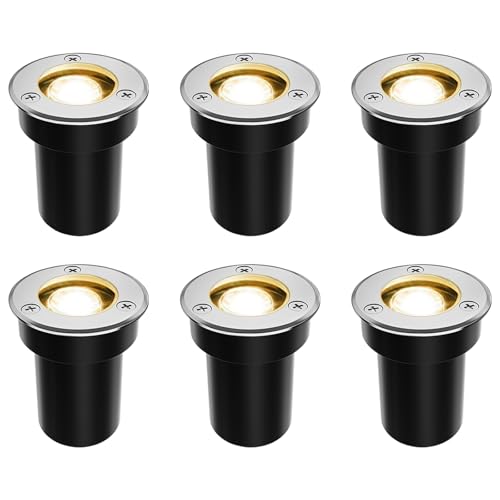
Premium Grade Components: The convex lens are clear, make these buried landscape paver lights appear brighter than the typical one. High temperature tempered soda-lime glass for high-impact resistance. High quality LED light chip, lifetime up to 30,000 hours.

Replaceable light bulb: This low voltage landscape lighting comes with 7 LED bulbs(G4,3W,3000K). It's not the integrated LED path light that needs to replace the whole light fixture if the light goes out. Save your money and time on replacing and reinstalling the walkway lights.
Define Your Dining Area With a Pergola-Covered Paver Patio
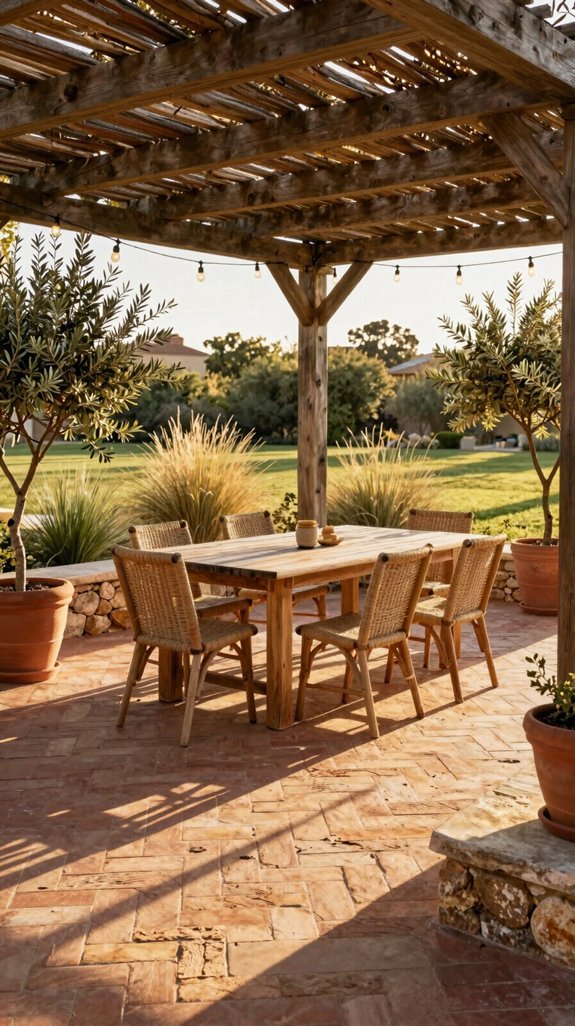
How do you transform a simple backyard meal into an experience worth lingering over? You build a pergola-covered paver patio that frames your dining space with intention.
You anchor your table beneath wooden beams or sleek aluminum rafters, casting dappled shade across porcelain or concrete pavers below. You train wisteria or grapevines upward, letting greenery filter the afternoon sun. You hang pendant lights or string Edison bulbs overhead, extending your gatherings past sunset.
You choose pavers in warm earth tones that complement your home’s exterior, laying them in a herringbone or running bond pattern that defines the dining zone distinctly from surrounding lawn or garden beds. You add a fire table or outdoor kitchen nearby, creating flow between cooking and conversation.
You don’t just eat outside—you claim a dedicated room without walls, where every dinner feels like an occasion.
Recommended Products
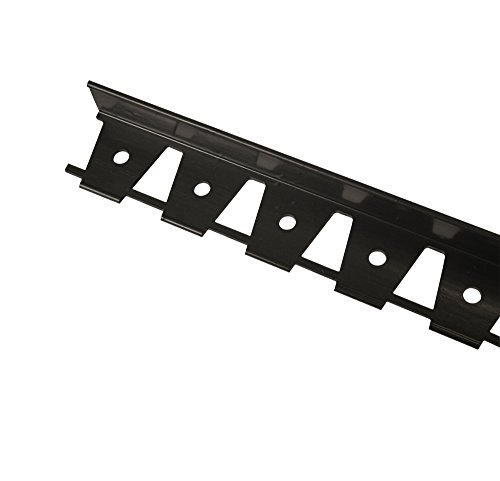
SNIP TO FLEX PAVER, BRICK, OR LANDSCAPE EDGING: Create a beautifully landscaped yard and paver designs without having to hire a professional with easy to install commercial grade edging

STAYS IN PLACE - Our edging stays securely in place, keeping mulch and other materials from migrating into other areas of your landscape for a pollished look

STAYS IN PLACE - Our edging stays securely in place, keeping mulch and other materials from migrating into other areas of your landscape for a pollished look
Tame a Sloped Yard With a Multi-Level Paver Design
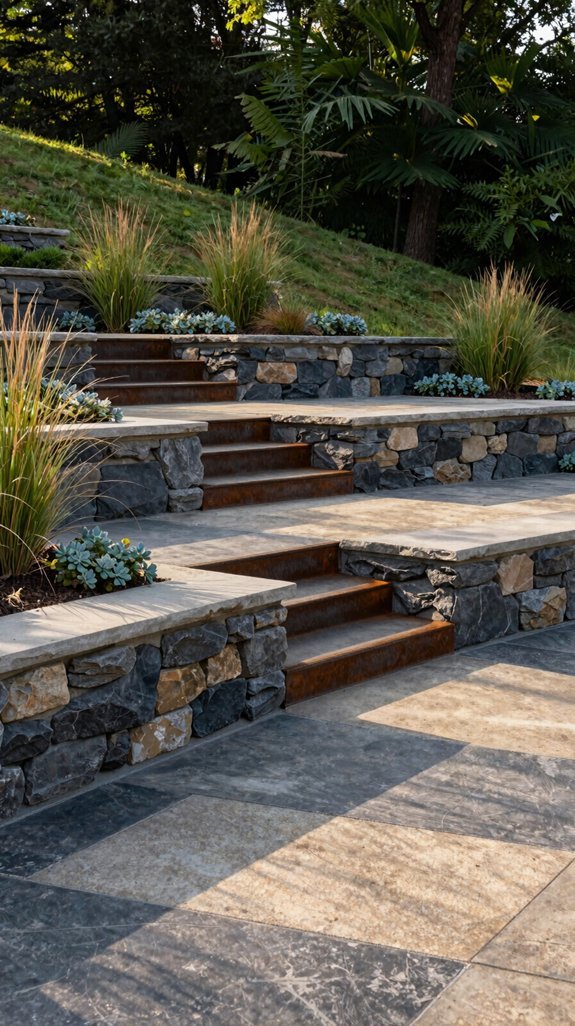
Why let a sloping yard limit your outdoor living when you can sculpt it into something extraordinary? You’ll transform challenging terrain into stunning, functional spaces by building tiered paver patios that follow your land’s natural contours.
Start by carving flat terraces into the slope, securing each level with retaining walls. You’ll create distinct zones—perhaps a dining area on the upper tier and a fire pit lounge below. Wide steps connect the levels, doubling as extra seating when you entertain. Choose pavers in complementary colors to define each space while maintaining visual flow.
You’ll solve erosion issues as you build, directing water away from your home. The result maximizes every square foot, turning what felt like a problem into your yard’s most striking feature.
Recommended Products

[Durable Material] OutVue fire table are made with iron, rust-proof paint and 304 stainless steel burner which are heat-resistant, water-proof and easy to clean. OutVue fire pit is suit for heating in the garden, having bonfires in yard, entertaining guests and enjoying outdoor living at its finest.

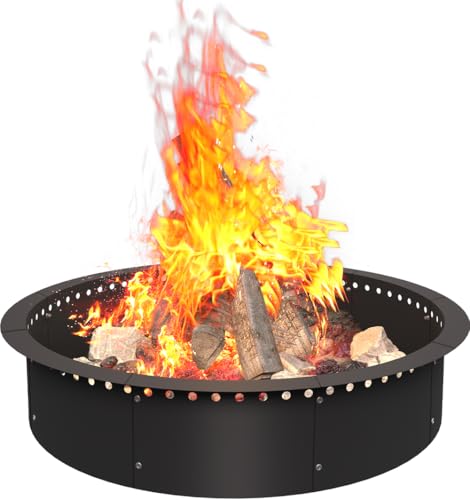
【Ventilation Holes Design】The smokeless fire pit ring is equipped with ventilation holes, which are arranged in circles at the top. They effectively enhance airflow and oxygen circulation, promoting thorough wood combustion, improving burning efficiency, and significantly reducing smoke. This allows users to enjoy a cleaner and more coamfortable fire experience during gatherings with family and friends.
Fix Drainage Problems Using Permeable Pavers
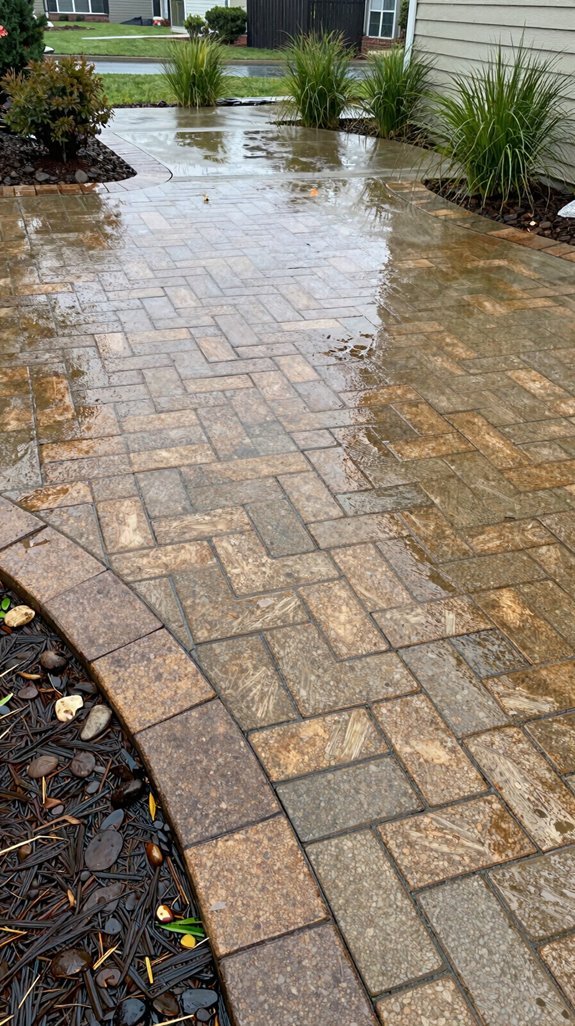
What happens to your patio when storms hit and water pools every which way? You scramble for squeegees and hope your foundation stays dry. Permeable pavers solve this headache permanently.
You’ll install these specialized concrete or brick units with built-in gaps that let rainwater filter through to a gravel bed below. Instead of sheeting across your yard, water percolates naturally into the soil. You’re eliminating runoff, recharging groundwater, and preventing erosion simultaneously.
Choose from varied textures and colors that match traditional pavers. You’ll lay them over a deeper base course of crushed stone—typically six to twelve inches—creating a reservoir that handles heavy downpours. Maintenance means occasional vacuuming or power washing to prevent clogging.
Your patio stays usable after rain, your landscaping thrives, and you’ve sidestepped costly drainage infrastructure entirely.
Recommended Products
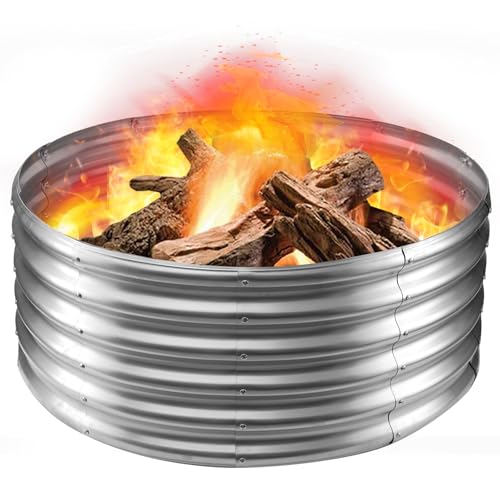
Durability: Galvanized steel fire rings are highly durable. The galvanized coating provides additional protection, allowing the fire ring to withstand various weather, thus extending its lifespan

Exceptional Durability & High Heat Resistance for Large Wood Burning Fires:Experience the ultimate bonfire with our extra-large 60-inch fire pit ring, holding more wood for longer, hotter burns. Constructed from heavy-duty commercial-grade galvanized steel, this 5FT 60-inch fire pit ring is built to last. Its extra-thick material ensures superior heat resistance, allowing it to withstand extreme temperatures from wood burning without warping, cracking, or peeling like painted steel fire rings.

Double-Sided Fireproof and Waterproof: 38 inch round Fireproof fire pit mat is made of four layered non-itchy silicone coated fiberglass which stands up the temperature up to 2200℉. It has passed the UL94 -V0/5VA flame retardant test. Fire pit mat is not only fireproof but also waterproof, grease does not stick to them and they are easy to clean. The four layers of material make it last longer. It can perfectly protect your deck, patio, lawn, allowing you to easily enjoy barbecue and outdoors
Add Function With Built-In Seating and Planter Borders
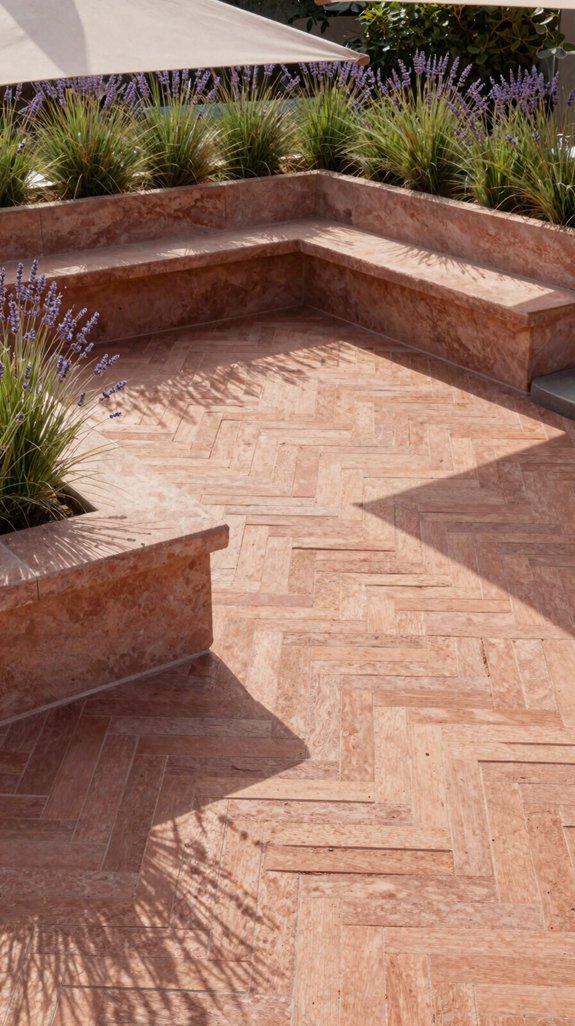
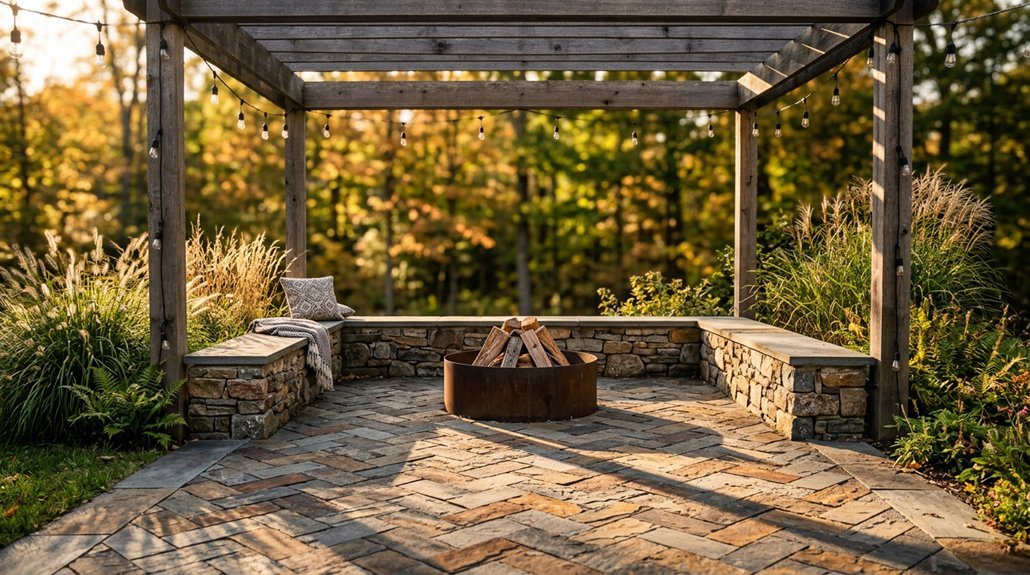
Once you’ve handled the practical matter of drainage, you’ll want your patio to essentially invite people to linger. Build low seat walls along the perimeter using matching pavers or contrasting stone. You’ll create instant, permanent seating without dragging furniture around. These walls typically rise 18 inches—perfect perch height with or without cushions.
Integrate planter borders directly into the design. You’ll gain defined edges and living color without sacrificing floor space. Stack retaining wall blocks behind your seat walls to form raised beds for herbs, ornamental grasses, or flowering shrubs. You’re essentially layering function: structure, seating, and greenery in one cohesive system.
Choose materials that weather similarly to your pavers. You’ll maintain visual unity as everything ages together. This approach maximizes every square foot—you’re not just paving, you’re shaping how people inhabit the space.
Recommended Products

⭐8 PATHWAY LIGHTS + 4 SPOTLIGHTS - This LED landscape lights kit includes 8 path lights, 4 landscape spotlights and 12 fastlock2 wire connectors. Perfect for pathway lighting and landscape lighting, a great upgrade for your yard. 【Note: Transformer and wire are not included in this kit!】
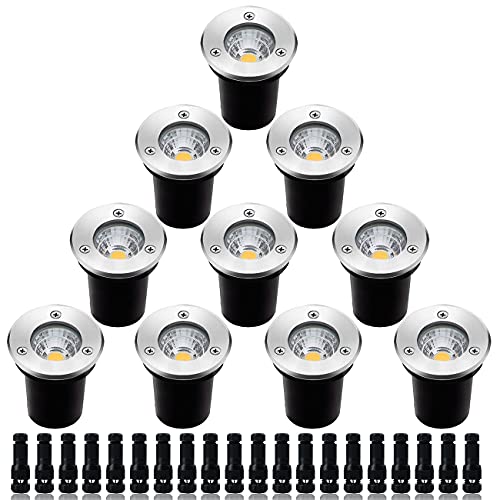
PREMIUM GRADE COMPONENTS: 10 Pack 5W COB LED Light,500 Lumens per one The convex lens are clear, make these buried landscape lights appear brighter than the typical one. High temperature tempered soda-lime glass for high-impact resistance. High quality LED light chip,great for illuminating your Patio,Garden ,Path, Yard, Deck. Lifetime up to 50,000 hours.

Love at First Sight: Experience the mesmerizing glow of our landscapeg lighting. Illuminate your space with captivating and immersive 360° lighting, creating a truly enchanting atmosphere
Conclusion
You’ve explored seven ways to transform your backyard with paver patios, from color-matched designs to multi-level solutions. Now it’s your turn to bring these ideas to life—mix curved edges with built-in seating, or pair permeable pavers with a cozy fire pit. Start planning today, and you’ll soon enjoy an outdoor space that’s both beautiful and built for how you actually live.
Recommended Products

STAYS IN PLACE - Our edging stays securely in place, keeping mulch and other materials from migrating into other areas of your landscape for a pollished look
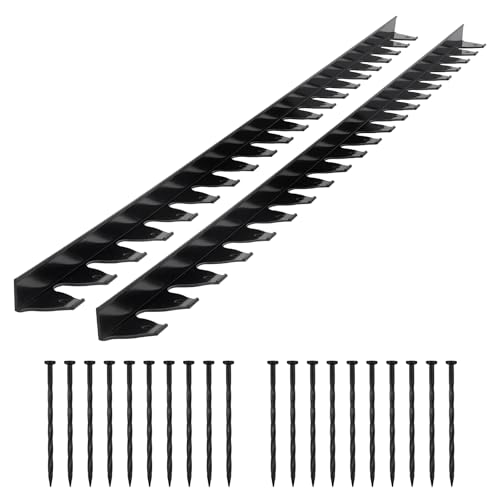
6 ft Garden Edging: This 10 packs of 6 ft plastic garden edgings, totaling 60 ft, make it ideal for shaping clean, customized boundaries around flower beds, gravel paths, or mini garden zones. At 1.6 in high, it's ideal for home landscaping projects.
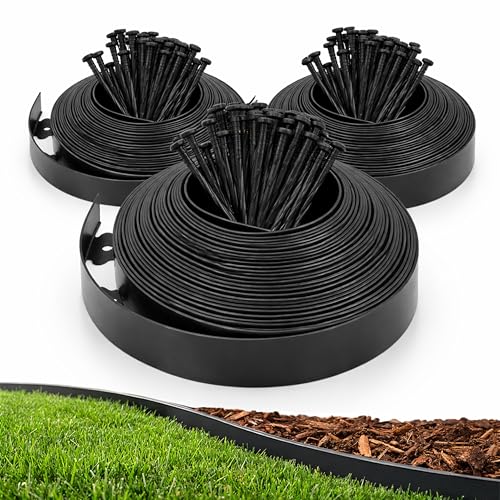
Dimension - Each landscape edging height is 1.5 inch and 33 ft length. Comes with 3 pack. The spiral spike is 6 inches height. Great for flower beds, pathways, tree rings and garden.