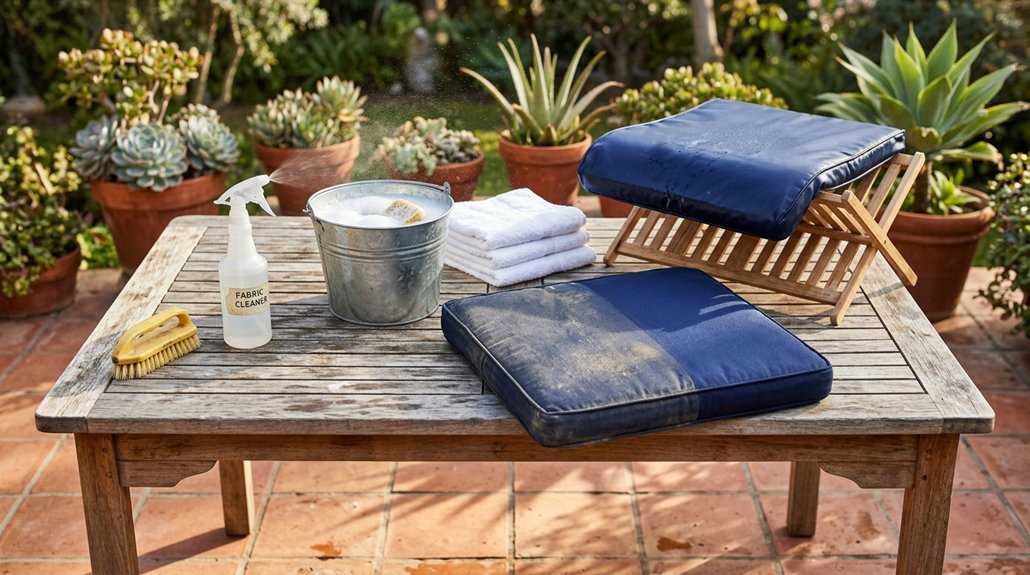
Your patio cushions have endured months of sun, spills, and summer storms, and now they’re looking worse for wear. You might think a quick rinse will do the trick, but proper cleaning requires more care than you’d expect. Before you grab that garden hose, consider what hidden grime and stubborn stains you’re actually dealing with. The difference between refreshed cushions and ruined ones comes down to five specific steps you’ll want to follow carefully.
Check Your Patio Cushion’s Care Label
Where should you start before scrubbing anything? You’ll find your answer on the care label stitched somewhere along your cushion’s seam. Don’t skip this step—it’s your roadmap to avoiding damage.
Flip your cushion over and locate that small fabric tag. You’re looking for specific cleaning codes: “W” means water-based cleaners are safe, “S” signals solvent-only solutions, “WS” gives you flexibility with either, and “X” warns you to vacuum only. You’ll also spot material composition details that dictate your approach. Sunbrella, polyester, and acrylic each respond differently to chemicals and heat.
If the label’s faded or missing, you’re not stuck. Check the manufacturer’s website using your cushion’s model name. You’re protecting your investment by confirming these details first. One wrong cleaner could shrink, discolor, or degrade your fabric permanently.
Recommended Products

Specialized Formula for Outdoor Fabrics - Advanced formula designed for high-use outdoor surfaces, making this patio cushion cleaner, outdoor fabric cleaner, and outdoor furniture cleaner ideal for maintaining cushions and fabrics exposed to sun, moisture, and frequent use. Helps support regular care of outdoor materials without relying on harsh cleaning methods
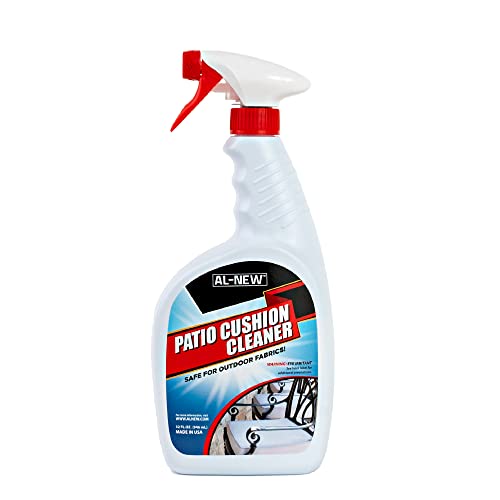
Best Way to Clean Outdoor Patio Cushions, Fabric Cushions, Patio Furniture Covers, Sunshades & Sail Cloth, Fabric Awnings, Umbrellas & More!

VERSATILE FABRIC & VINYL CLEANER — Effectively works on Sunbrella fabrics & vinyl - upholstery, cushions, umbrellas, boat covers, Bimini tops, and more, ensuring thorough cleaning for water-safe textiles.
Brush Away Loose Dirt and Debris
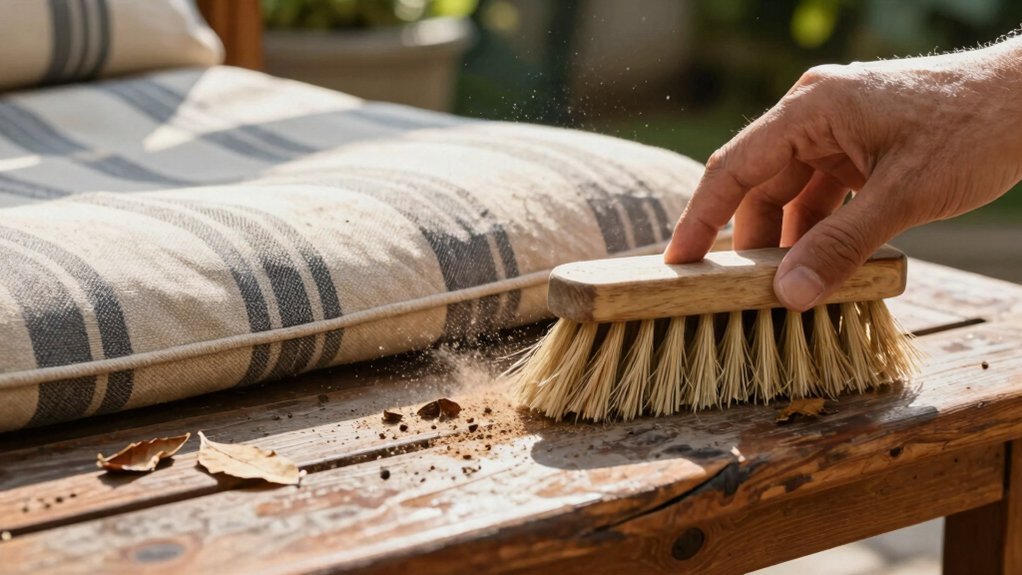
Why start with water when dry debris only creates mud? You’ll begin with a stiff-bristled brush to sweep away loose dirt, leaves, and accumulated dust. Hold the cushion vertically and brush downward, letting gravity pull the debris away from the fabric surface. Pay special attention to crevices and seams where dirt likes to hide. If you’ve got textured fabric, scrub gently but firmly to dislodge particles trapped between the weave. Shake the cushion vigorously outdoors to release remaining dust. For stubborn grit, use a dry microfiber cloth to wipe surfaces clean. This dry preparation prevents you from grinding dirt deeper into the fibers during washing. Keep brushing until you’ve removed all visible surface contaminants. You’re now ready for the next phase of thorough cleaning.
Recommended Products

Effective Stain Removal: The Pink Stuff Foaming Carpet and Upholstery Stain Remover is your go-to solution for tackling tough and unsightly stains. Say goodbye to stubborn carpet and upholstery stains with ease

OXY-POWERED CLEANING: Tackle everyday upholstery messes with our powerful Upholstery Cleaner. Its oxy-powered formula delivers powerful spot cleaning to help lift tough stains, even up to 7 days old, so your home stays fresh, clean-looking, and ready for guests, family time, and daily life on the go

StainLift Technology. Lift and remove deep down dirt, stains and odors.
Spot-Clean Stains Before Washing
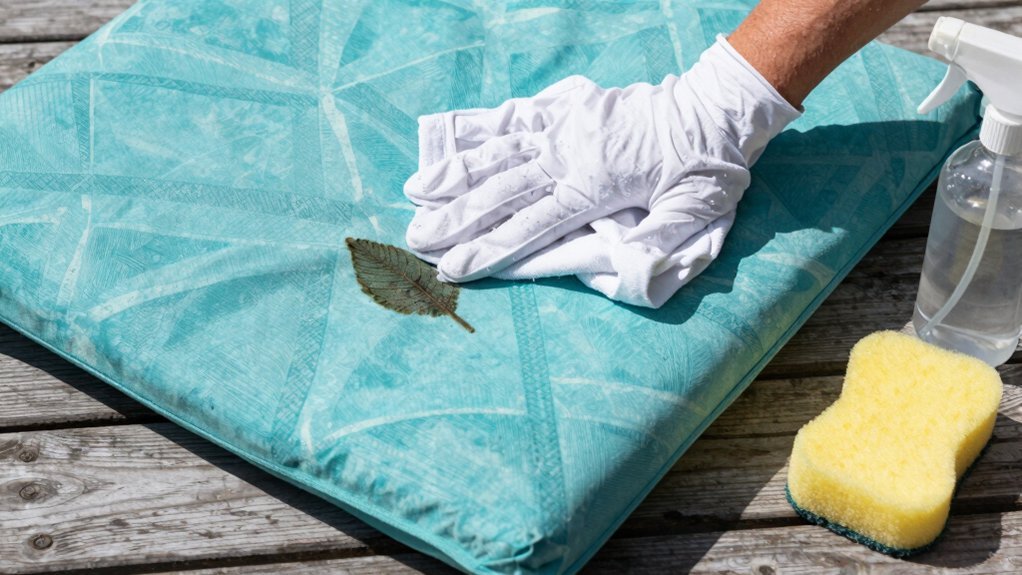
With surface debris cleared, you’ll now tackle the stains that brushing can’t touch. Mix a solution of mild dish soap and warm water in a bowl. Dip a soft-bristled brush or clean cloth into the mixture and gently work it into each stain using circular motions. Don’t scrub aggressively—you’ll damage the fabric fibers. For grease or oil marks, sprinkle baking soda directly onto the spot and let it sit for fifteen minutes to absorb the residue before brushing it away. Treat mildew stains with a mixture of one part white vinegar to three parts water. Blot the area rather than rubbing to prevent spreading. Rinse your cleaning tool frequently and change your soapy water when it gets dirty. Let the cushions air dry completely before proceeding.
Recommended Products

Quickly removes stains caused by mold and mildew on contact without heavy scrubbing; EASY TO USE - spray, wait until the stain disappears, then rinse
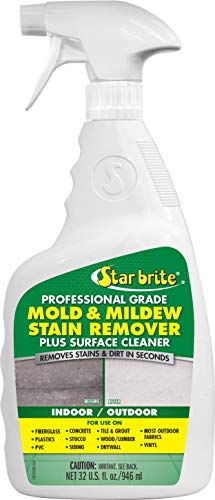
Quickly removes mold, mildew, moss and algae stains on contact without heavy scrubbing; EASY TO USE - spray, wait until the stain disappears, then rinse
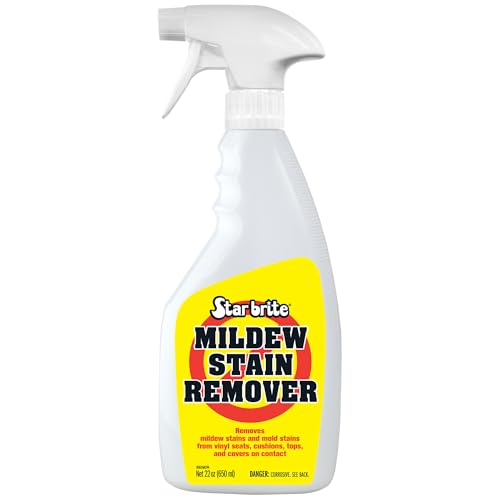
INSTANT STAIN REMOVAL - Removes mold stains and mildew stains on contact without heavy scrubbing.
Wash Your Patio Cushions by Hand or Machine
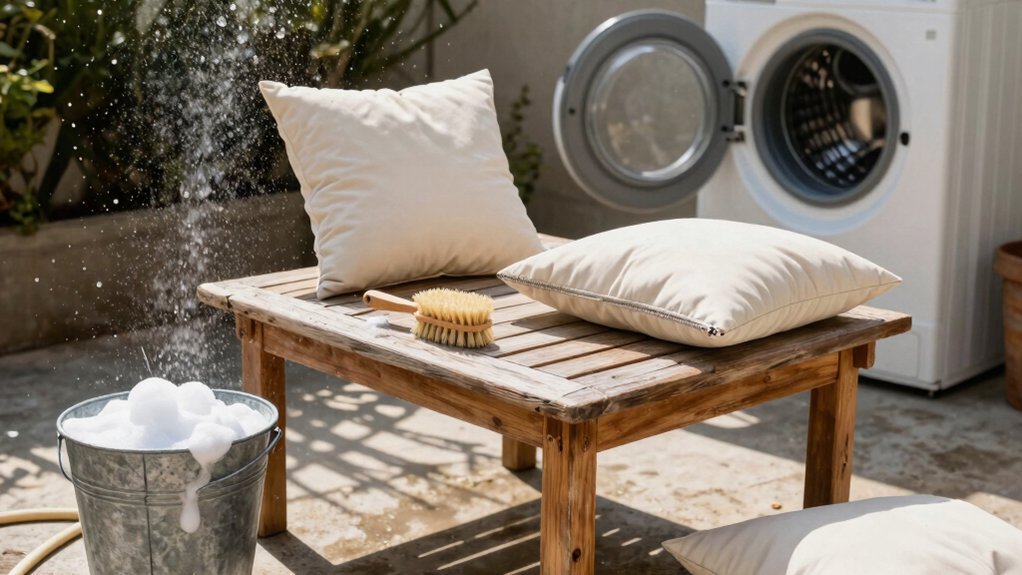
Now that stains are pretreated, how will you actually wash the cushions? Check the care label first—it’ll tell you whether machine washing is safe or if you’ll need to hand wash.
If the label permits machine washing, zip off the covers and turn them inside out. Use cold water on a gentle cycle with mild detergent. Don’t overload the washer; wash covers separately from other items.
For hand washing, fill a large tub with cool water and add mild detergent. Submerge the cushions and agitate them gently. Work the suds into the fabric with your hands, paying extra attention to soiled areas. Don’t scrub too hard or you’ll damage the fibers.
Rinse thoroughly until the water runs clear. Squeeze out excess water gently—don’t wring or twist the fabric. You’re almost done.
Recommended Products
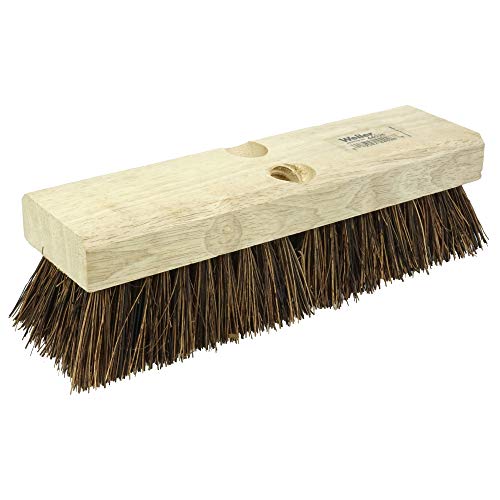
The Weiler 44026 deck scrub brush can be used with a broom handle (sold separately) for scrubbing wood, concrete, composite decking, vinyl siding, and more
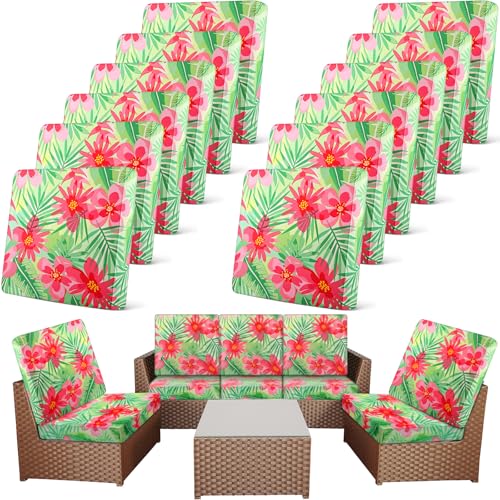
Value Pack: you will receive 12 pcs cushion covers; The size is suitable for most cushions with length 20-27 inch and width 20-27 inch, height 2-7 inch, adapting to different cushion shapes; Note: cushions are not included; Please measure your seat cushion size carefully before ordering to ensure the fit

Appropriate Size and Sufficient Quantity: you will receive 12 pieces of elastic sofa cushion covers; The size is suitable for most cushions with length 20-27 inch and width 20-27 inch, height 2-7 inch, adapting to different cushion shapes and styles; Cushion slipcovers bulk meet your use and replacement needs; Note: cushions are not included; Please measure your seat cushion size carefully before ordering to ensure the fit
Dry Completely and Prevent Mildew
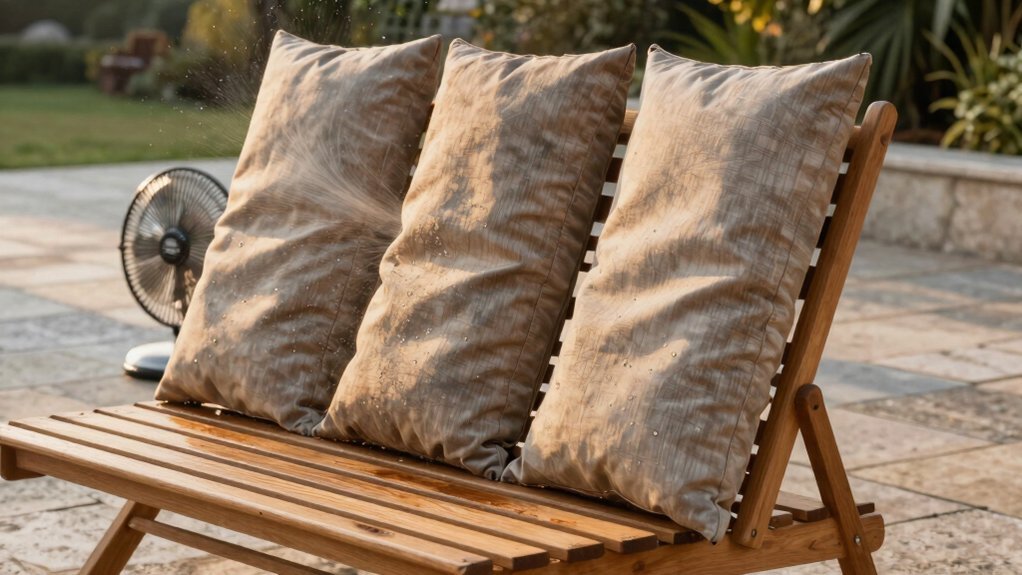
Proper drying prevents mildew from taking hold in your freshly washed cushions. You’ll want to squeeze out excess water without wringing, which damages fibers. Stand cushions on their edges in direct sunlight and fresh air. Rotate them every few hours so all sides dry evenly.
Don’t rush this step. You’ll know they’re ready when no dampness remains in the seams or cores. Bring cushions inside if rain threatens, since moisture resets your progress.
Once fully dry, apply a fabric protector spray designed for outdoor use. You’ll create a barrier against future moisture and stains. Store cushions in a dry, ventilated space when not in use, or invest in breathable covers. Check stored cushions monthly for any musty odors, and you’ll catch problems before they spread.
Recommended Products

Outdoor Furniture Cleaner - Parker & Bailey Patio Furniture Cleaner is an effective cleaning spray for any patio furniture set. With UV protectant that acts as a guard against the sun's damaging rays. Remove dirt, clean pollen, and sap.

Always test the product on a small hidden spot on the fabric for color fastness prior to use in cleaning.

Size and Package: Bench cushion measures 48 X 18 X 5 inches, fitting most standard benches; vacuum-packed shipping may cause slight creases, iron or flatten wrinkles; pressing and tapping after unpacking helps swing cushions fluff up in 24–48 hours
Conclusion
You’ve got everything you need to refresh your outdoor cushions. By checking labels, brushing debris, treating stains, washing properly, and drying thoroughly, you’ll extend their lifespan and keep your patio looking fresh. Don’t skip the fabric protector at the end—it makes future cleanings much easier. Now go enjoy your clean, comfortable outdoor space with confidence, knowing you’ve protected your investment for seasons to come.
Recommended Products

Professional Strength Formula: Designed to tackle the toughest carpet stains quickly and effectively.

BISSELL Spotlifter Pet Carpet and Upholstery Cleaner with Brush Head - 4 pack
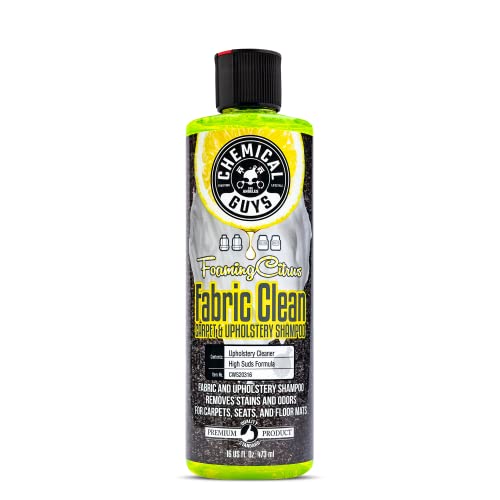
FOAMING FABRIC CLEAN (CWS20316) – High-foaming carpet and car upholstery cleaner penetrates deep into carpet, upholstery, and floor mat fibers to lift dirt, debris, and stains for a restored, like-new appearance