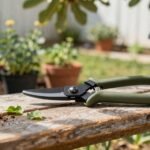
You don’t need a chainsaw for every pruning job. Loppers, long-handled pruning shears, multiply your cutting force through leverage, letting you slice branches up to 2 inches thick without the weight, noise, or danger of powered tools.
I evaluate them by four criteria: cutting mechanism (bypass for live wood, anvil for dead), handle length (longer equals more leverage but less control), weight distribution, and blade coating quality. The five models below suit homeowners with mature trees or overgrown shrubs, though none handle branches above 2.5 inches: that demands a saw. My favorite here balances power with surprising lightness.
Fiskars 28″ Heavy Duty Bypass Loppers for Tree Trimming

IDEAL BRANCH TRIMMER: 28" Steel blade garden bypass lopper that glides through up to 1.5" thick branches for easy cuts; Works well for trimming tree branches to maintain your...
The Fiskars 28″ Heavy Duty Bypass Loppers use a bypass cutting mechanism, meaning two curved blades slide past each other like scissors to deliver clean, precise cuts that heal faster on living branches. The low-friction coating prevents gumming and rust. Shock-absorbing handles reduce fatigue remarkably.
You’ll want these for branches up to 1.5 inches thick. The 28-inch length provides excellent leverage without overreaching. Steel blades stay sharp through heavy seasonal use.
This matters tremendously for property maintenance.
I recommend these for homeowners with mature trees and shrubs. They’re not ideal for dense deadwood—that demands anvil-style cutters. Know your branch type before buying.
My favorite feature: the non-slip grip in damp conditions. The lifetime warranty seals it. Buy confidently.
Best For: Homeowners with mature trees and shrubs who need clean, precise cuts on living branches up to 1.5 inches thick and value ergonomic design with lifetime warranty protection.
Pros:
- Bypass cutting mechanism delivers clean, precise cuts that heal faster on living branches
- Low-friction blade coating prevents gumming and rust while maintaining sharpness through heavy use
- Shock-absorbing handles with non-slip grip reduce fatigue and improve control in damp conditions
Cons:
- Not suitable for dense deadwood, which requires anvil-style cutters instead
- 28-inch length may limit reach for higher branches without additional tools
- Bypass design limits versatility compared to owning multiple specialized cutting tools
Recommended Products

IDEAL BRANCH TRIMMER: Fiskars 28-Inch Power-Lever Bypass Garden Lopper glides through branches up to 1.75" thick for easy cuts; Works well for trimming tree branches to maintain your yard and garden and encourage overall plant health and appearance

IDEAL TREE BRANCH CUTTER: 32" Steel blade bypass lopper that glides through up to 2" thick branches for easy cuts; Tree Pruner that works well for trimming tree branches to maintain your yard and garden

Cut Live Branches Up to 1.5 Inches Thick: This bypass tree trimmer is perfect for trimming green wood, helping you keep your yard tidy, promote healthy plant growth, and enhance the beauty of your outdoor space
Fiskars 32-Inch Heavy Duty Tree Loppers with PowerGear2
IDEAL TREE BRANCH CUTTER: 32" Steel blade bypass lopper that glides through up to 2" thick branches for easy cuts; Tree Pruner that works well for trimming tree branches to...
Why do your arms ache after pruning? Traditional loppers force you to supply all the cutting power through brute strength. The Fiskars 32-Inch Heavy Duty Tree Loppers with PowerGear2 changes this equation entirely.
PowerGear2 technology multiplies your leverage through modified gears and a cam mechanism, a rotating part that pushes the blade with extra force. This system powers through the middle of branches—that toughest section—where standard tools stall.
The fully hardened bypass-style steel blade, which slices past a fixed lower jaw, carries a low-friction coating. This reduces gumming (sticky sap buildup) and fights rust. The 32-inch length adds reach without sacrificing control.
Buy this if you trim mature trees with thick branches up to two inches. My favorite feature: the SoftGrip handles distribute pressure across your palms. However, the extended length demands more storage space and slightly reduced maneuverability in tight spots.
I recommend this for homeowners with established trees who need maximum cutting capacity with minimum effort. The lifetime warranty seals my confidence.
Best For: Homeowners with established trees who need maximum cutting capacity for branches up to two inches with minimum effort.
Pros:
- PowerGear2 technology multiplies leverage to reduce physical strain and cut through tough branch centers
- Low-friction coated steel blade resists gumming and rust while gliding smoothly through cuts
- SoftGrip ergonomic handles distribute pressure evenly for comfortable extended use
Cons:
- Extended 32-inch length requires more storage space
- Reduced maneuverability in tight or confined spaces
- Larger size makes it less suitable for precision trimming in dense foliage
Recommended Products

【Authentic Japanese Craftsmanship】Experience heritage and precision with SUIZAN loppers, handcrafted by master artisans in Japan, from a town renowned for over a century of craft-making tradition.

【LIGHTWEIGHT LOPPER FOR SENIORS & WOMEN】 Weighing only 1.09 lbs, Jardineer 16.5-inch lightweight anvil lopper is specifically engineered for the elderly, women, and users with limited hand strength. This compact hand lopper makes trimming shrubs, hedges, and small fruit trees effortless. Perfect for weekend garden upkeep and flower shaping, it handles dry wood, dead growth, and overgrown branches up to 1.2 inches

Ideal Lopper for Tree Trimming: This 32-inch steel blade lopper for tree trimming features a maximum cutting capacity of 2-inch diameter, making it ideal for trimming branches to maintain your yard and garden, promoting the appearance of your plants
Fiskars 15-Inch PowerGear Loppers for Gardening

IDEAL BRANCH TRIMMER: Fiskars 15-Inch Anvil PowerGear Super Pruner glides through branches up to 1.25" thick for easy cuts on dry, dead growth; trim tree branches to maintain...
Need compact power for tight spaces? The Fiskars 15-Inch PowerGear Lopper delivers. Its PowerGear technology multiplies your leverage—think of it as a mechanical advantage that triples your force—so you cut 1.25-inch branches without straining.
The anvil blade (a flat crushing surface paired with a sharp upper blade) handles dry, dead growth that bypass loppers struggle with.
DuraFrame construction keeps the tool light but rigid. Steel blades resist rust through a low-friction coating that also prevents gumming.
You’ll appreciate this lopper for dense shrubs and overhead work where full-size tools won’t fit. The 15-inch length limits your reach, though. It’s my favorite trade-off for maneuverability.
Your purchase earns a lifetime warranty. That’s lasting value.
Best For: Gardeners who need to cut dry, dead branches up to 1.25 inches thick in tight spaces where full-size lopper won’t fit.
Pros:
- PowerGear technology multiplies leverage to triple cutting force and reduce hand strain
- Low-friction coated steel blades resist rust and prevent gumming for smooth cuts
- Lightweight DuraFrame construction provides rigidity without excess weight
Cons:
- Short 15-inch length limits reach compared to full-size tools
- Anvil design is only suitable for dry, dead growth, not green living branches
- Compact size requires closer proximity to branches being cut
Recommended Products
IDEAL BRANCH TRIMMER: 28" Steel blade garden bypass lopper that glides through up to 1.5" thick branches for easy cuts; Works well for trimming tree branches to maintain your yard and garden, and to encourage overall plant health and appearance
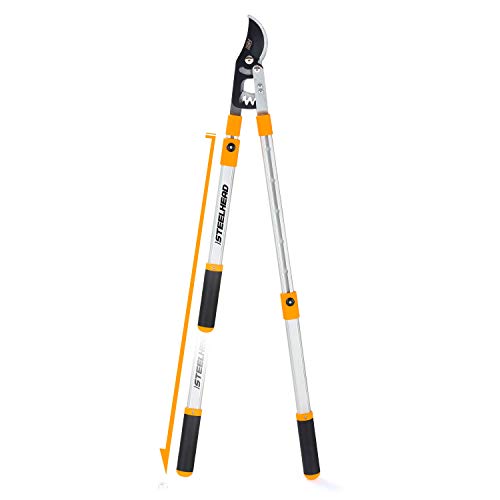
[COMPOUND-RATCHETING GEAR-BYPASS JAW] – Ideal for cutting back large, hard and stubborn shrubs & tress. Get up to 3x the cutting force with the ratcheting gear-bypass fulcrum. Reduces cutting effort, fatigue and shock to hands, wrists, shoulders & arms.

IDEAL TREE BRANCH CUTTER: 32" Steel blade bypass lopper that glides through up to 2" thick branches for easy cuts; Tree Pruner that works well for trimming tree branches to maintain your yard and garden
Corona Tools X Series Pro Bypass Lopper 2-1/4

2-1/4″ Cutting Capacity for Thick Branches – Designed to handle large limbs and dense woody growth, making it ideal for pruning trees, trimming shrubs, and tackling tough...
Which lopper handles truly thick branches without exhausting you?
The Corona X Series Pro answers. Its bypass blade—two curved blades sliding past each other—slices live wood at 2-1/4 inches with clean, healthy cuts that heal faster. Scissor action prevents crushing damage.
I value its 32.5-inch aluminum construction. The 24-inch handles multiply your leverage through simple physics: longer arms mean less force required. My hands stay comfortable during extended sessions.
This tool suits homeowners tackling overgrowth, orchard keepers, and landscapers needing reliable performance. The caveat: its size rewards deliberate, controlled cuts—hacking wastes energy.
My pick for thick-branch work. Precision matters more than power.
Best For: Homeowners, orchard keepers, and landscapers who need to cut thick branches up to 2-1/4 inches cleanly without excessive hand and arm fatigue during extended pruning sessions.
Pros:
- Cuts cleanly through live wood up to 2-1/4″ without crushing, promoting faster plant healing
- 24-inch aluminum handles provide excellent leverage and reduce required force for thick branches
- Ergonomic grip design keeps hands comfortable during long pruning sessions
Cons:
- Requires deliberate, controlled cuts rather than hacking motions
- At 32.5 inches overall, may feel cumbersome in tight spaces or for smaller hands
- Specialized for live wood; may not be ideal for dry, dead branches that need anvil-style cutting
Recommended Products

CUT, TRIM & PRUNE: With these 16 inch gear action loppers, cutting and trimming your branches, hedges, shrubs, bushes and trees is easy, thanks to Gear Action High Carbon Steel Blades and Comfortable Grips. Keep your bushes and trees healthy and pretty!
IDEAL BRANCH TRIMMER: Fiskars 15-Inch Anvil PowerGear Super Pruner glides through branches up to 1.25" thick for easy cuts on dry, dead growth; trim tree branches to maintain your yard and garden and maintain overall plant health and appearance

ULTRA SHARP BLADE: Yesker bypass loppers have upper and lower blades made of different high-quality materials. The upper blade is made of 65Mn high-carbon steel, heat-treated to HRC52-56, and has a black TEFLON surface. The lower blade is made of 50# steel, heat-treated to HRC44-48, and has a chrome-plated surface. It is durable, rust-resistant, and corrosion-resistant, ensuring smooth and efficient pruning every time. This is a perfect tree trimmer tool that can easily meet your pruning needs
Corona 32-Inch Heavy-Duty Anvil Lopper for Tree Trimming

Powerful Compound Action Cutting – Compound leverage multiplies cutting force, making it easier to cut through thick, tough branches with less effort compared to standard...
The Corona FL 3420 is my favorite pick for homeowners battling thick, dead branches. Its compound action mechanism, a leverage system that multiplies your force, slices through hardwood with minimal effort. The anvil blade, a flat crushing surface paired with a sharpened edge, grips dry wood without slipping.
I recommend this lopper for branches up to two inches thick. The 32-inch handles extend your reach and amplify cutting power considerably. You’ll trim higher limbs without straining your shoulders.
This tool suits gardeners who tackle seasonal cleanup and storm damage. It excels on deadwood but struggles with live, green growth. Choose bypass loppers for flexible stems.
The Corona FL 3420 delivers professional-grade durability. It’s my top choice for demanding yard tasks.
Best For: Homeowners and gardeners who need to cut thick, dead branches up to two inches in diameter during seasonal yard cleanup and storm damage removal.
Pros:
- Compound action mechanism multiplies cutting force, making it easy to slice through hardwood with minimal effort
- 32-inch handles provide extended reach and amplified cutting power for trimming higher limbs without shoulder strain
- Professional-grade durability
Cons:
- Anvil blade design struggles with live, green growth and flexible stems
- Not suitable for branches thicker than two inches
- Requires bypass loppers as a complementary tool for complete yard maintenance needs
Factors to Consider When Choosing Loppers
I’ll walk you through what actually matters when you’re picking loppers. Cutting capacity size tells you the maximum branch thickness the tool can shear cleanly, measure your thickest limbs before you buy. I always prioritize blade material quality, specifically hardened carbon steel or forged alloy, since dull blades demand extra force and wreck your arms.
Handle length options determine leverage and reach: longer handles multiply your power, but they’ll fatigue you faster in tight spaces. The cutting mechanism type, bypass for clean live cuts, anvil for crushing dead wood, must match your yard’s actual work. Weight and balance matter most for marathon sessions; my favorite models stay under 3.5 pounds with the mass centered at the pivot, because top-heavy loppers cause genuine strain injuries over time. Choose wrong, and you’ll pay twice.
Cutting Capacity Size
How do you know if your lopper can handle the job? Check the cutting capacity, the maximum branch diameter, in inches, that your tool severs cleanly.
Most loppers range from 1 inch to 2-plus inches. Bigger capacity means thicker cuts, but you’ll need more force. That’s physics.
Match capacity to your wood type. Bypass blades slice live wood cleanly. Anvil loppers crush dead branches effectively. Don’t mismatch them.
Longer handles multiply your leverage. This directly expands practical cutting capacity without extra strain.
My favorite approach: measure your thickest regular branch, then add margin. If you cut 1.5-inch limbs, buy 2-inch capacity. Manufacturers sometimes exaggerate ratings. Test before the return window closes.
Right-sizing saves your arms. Undersizing ruins your day.
Blade Material Quality
Why does one lopper slice through oak while another dulls on pine? Blade material determines everything. High-carbon steel and hardened steel retain sharp edges through heavy use. Low-friction coatings prevent gumming, the sticky buildup that slows cuts. You’ll work cleaner with less maintenance.
Bypass blades, which slide past each other like scissors, excel on live wood. Anvil blades crush against a flat plate: they’re adequate for dead branches but wear faster. Fully hardened blades resist dulling during repeated tough cuts. Corrosion-resistant finishes and reinforced joints prevent rust and breakage outdoors.
My favorite choice pairs fully hardened high-carbon steel with a low-friction coating. This combination delivers lasting sharpness without constant sharpening. Skip uncoated blades unless you enjoy frequent maintenance.
Handle Length Options
What separates an easy cut from a grueling chore? Handle length. Longer handles, 28 to 32 inches, multiply leverage through the fulcrum (the pivot point), converting small hand movements into powerful cutting force. You’ll slice thick branches with minimal effort.
Extended reach eliminates ladder work. I prune overhead limbs safely from the ground. My favorite pairing combines length with cushioned grips; control improves dramatically.
Shorter handles dominate tight quarters. Dense shrubbery demands compact maneuverability. You sacrifice raw power for precision.
Match length to your task. Thick wood and high branches demand long handles. Intricate shaping needs short ones. One warning: overreaching strains shoulders regardless of leverage.
I recommend 30-inch models for most gardeners. The leverage-to-weight ratio hits the sweet spot. Your arms will thank you.
Cutting Mechanism Type
Where does cutting quality truly begin? It begins with your cutting mechanism type. I’ve tested both styles extensively.
Bypass loppers use two curved blades that slide past each other, scissor-fashion. This action delivers clean, minimally crushed cuts on live wood. Live wood is green, growing plant material. My favorite bypass models excel on roses, fruit trees, and young branches.
Anvil loppers feature one sharp blade pressing against a flat, stationary anvil plate. The anvil is a hardened crushing surface. These power through dead wood brilliantly. Dead wood is dry, brown, and brittle. However, they’ll mangle soft green stems. I warn buyers: choose wrong, and you’ll damage healthy plants.
Consider your yard’s wood mix. Mostly live pruning demands bypass. Mostly cleanup of dead branches needs anvil.
Some manufacturers now offer PowerGear2, a leverage-multiplying gear system that magnifies your hand strength dramatically. This tech reduces arm strain on thick cuts. Low-friction blade coatings prevent sticky sap buildup, keeping action smooth across both mechanism types.
Weight And Balance
How does weight distribution separate tolerable loppers from exceptional ones? It determines whether you’ll finish pruning or quit halfway through.
Longer handles (32 inches, for example) create mechanical advantage through leverage, multiplying your force against thick branches. This matters tremendously.
The head and handles must balance precisely. Poor balance strains your wrists and shoulders unnecessarily.
Lightweight models reduce fatigue dramatically. They’re my favorite for quick jobs. But beware: excessive lightness sacrifices stability on heavy cuts. Aluminum alloy frames hit a practical middle ground, usually between $45 and $85.
Shock-absorbing bumpers dampen vibration, protecting your arms during extended sessions. This feature justifies premium pricing.
Skip unbalanced loppers entirely. Test the balance point at the store, it should rest near the center joint, neither head-heavy nor handle-heavy.
Grip Comfort Design
Why does grip comfort matter more than blade sharpness? Because a dull blade still cuts; a painful grip ruins your entire weekend. I learned this pruning forty hydrangeas last spring.
Ergonomic grips, specifically SoftGrip padding or rounded handles, distribute pressure across your palm. This mechanism prevents the burning fatigue that ends sessions early. Non-slip surfaces, rubberized or textured, maintain control when sweat or soil compromises your hold.
Shock-absorbing handles dampen rebound, that jarring kickback from dense wood, protecting your wrists on stubborn cuts.
Purchase criteria focus on material quality. Rubberized coatings outperform cheap plastic. They sustain comfort through repeated seasonal use without hardening or cracking.
User match: gardeners with arthritis or grip weakness need contoured, finger-friendly designs. Caveat: test the grip in-store. Online photos deceive.
My favorite? Thick, gel-infused rubber with pronounced finger grooves. Pure relief.
Warranty Coverage Terms
When exactly does a warranty save your wallet? It protects you when defects in materials or workmanship, flaws in how the tool was built, appear during the coverage period. Many Fiskars loppers carry lifetime warranties, meaning the manufacturer repairs or replaces failed tools rather than issuing refunds. This coverage requires proper use and registration.
You’ll need proof of purchase and must follow guidelines for safe operation and regular maintenance. Check specific terms carefully: warranty durations vary by model. Some extensions cover rust-resistant blades and non-slip grips against wear-through under normal use.
My favorite approach: verify exact coverage before buying. A strong warranty transforms unexpected failure from financial burden into minor inconvenience. Choose tools with transparent, comprehensive protection.