Outdoor furniture lives or dies by how the space actually gets used, not by catalog photos. A porch swing seats two in one chair’s footprint but gives up conversation for quiet; two angled chairs do the opposite.
The deciding factor is whether the porch faces a view worth sharing in stillness, or a doorway that pulls people through.
Powder-coated aluminum holds up under rain, yet chips at the welds if it bangs around in a storm, so the real cost is where you store it when wind arrives.
1. Comfortable Seating

A porch only works if the seating pulls people in and keeps them there.
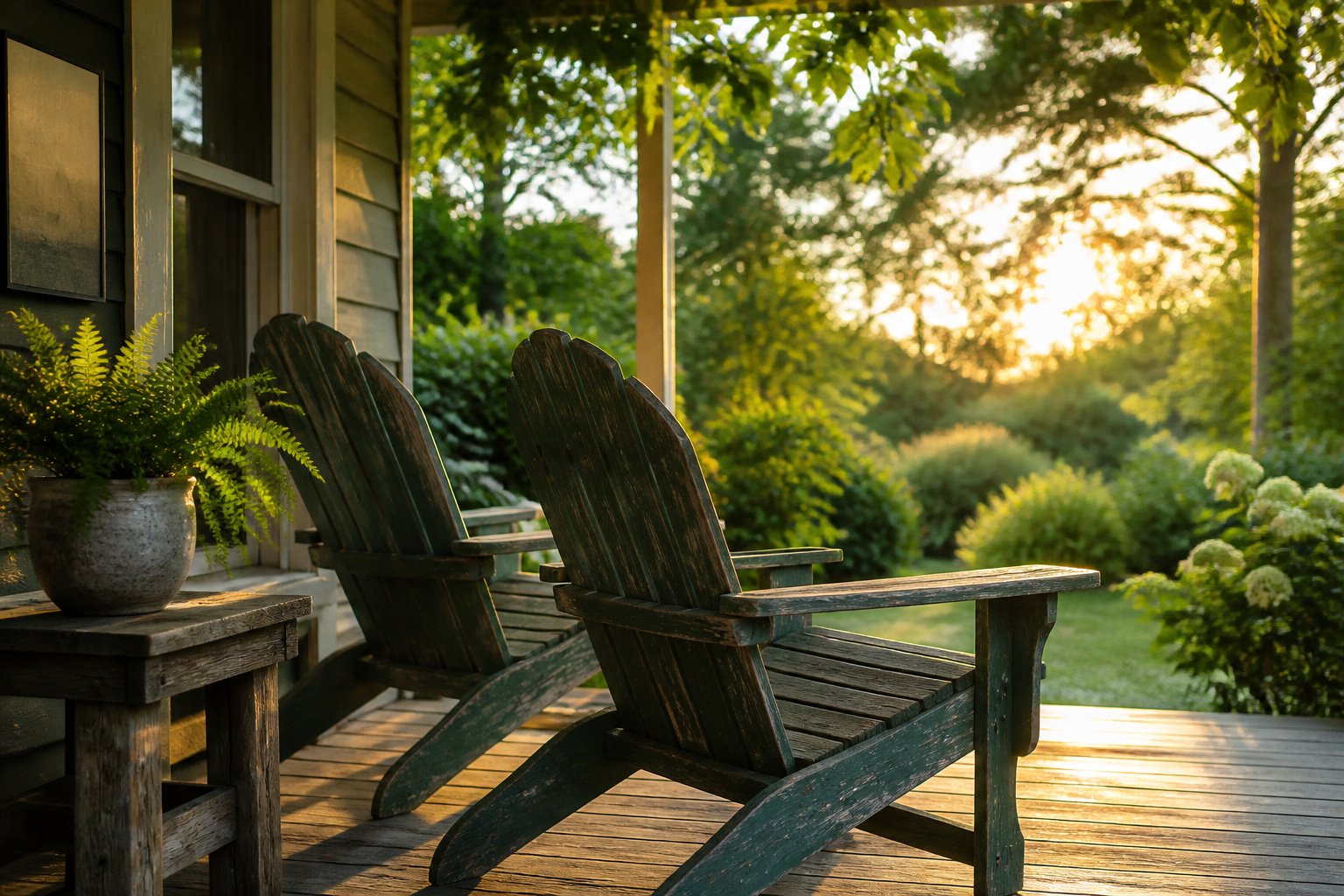
Two chairs angled slightly toward each other create a natural spot for conversation, while a small bench tucked against the railing turns a narrow space into a usable retreat.
For something more active, a porch swing gives the same seated footprint but adds motion that makes hot afternoons feel cooler.
Rocking chairs serve a similar purpose, and painted wicker versions in particular suit the relaxed rhythm of a summer porch without demanding much upkeep.
Match the piece to how the space actually lives. A quiet corner with two chairs suits morning coffee alone.
A grouped seating arrangement, even just three pieces forming a rough triangle, changes the porch from a pass-through into a place where guests linger.
Start with how many people you want seated at once, then let that number choose between a pair, a bench, or a small cluster.
Recommended Products

【All Weather Use】Outdoor swing cushions are waterproof and made of durable outdoor polyester fabric, ensuring they can withstand the elements such as water, sun, and stains. To maximize longevity, it is recommended to allow the cushions 24 hours for proper rebound after being vacuum compressed.

SIT WITH COMFORT AND RELAXATION - Carefully Selected Qualified Cloth, strong surface hydrophobicity, perfect for indoors and outdoors. Overstuffed construction for extra comfort and longevity. High-capacity filler, up to 4 inches thick, offers an even cushier feel with greater durability, These cushions contain a generous fiber fill which create a gap of comfort between you and your hard wooden chair.

Upgraded Chains - You can adjust the angle of the patio swing by adjusting the chains. Then it will fit you better! Also the part of the chains which connects with the wood frame are loop-locked to provide you with better security
2. Outdoor Textiles

Outdoor cushions and pillows soften hard edges faster than any other swap, and they ask almost nothing of your budget. Two or three pieces on a seating area already make the space feel finished, not thrown together.
The fabric choice matters more than the pattern.
I look for solution-dyed acrylic or a labeled outdoor polyester; both hold color through seasons of sun and shrug off a surprise rain shower that would leave a cotton insert mildewed in two days.
The weave should feel tight enough that you cannot easily push a pencil through it.
Color works best when it repeats something already on the house: the trim, the door, even the weathered gray of the foundation.
Matching the siding exactly tends to look flat; picking up a secondary color from the exterior creates the sense that the porch belongs to the structure, not to a separate shopping trip.
Recommended Products
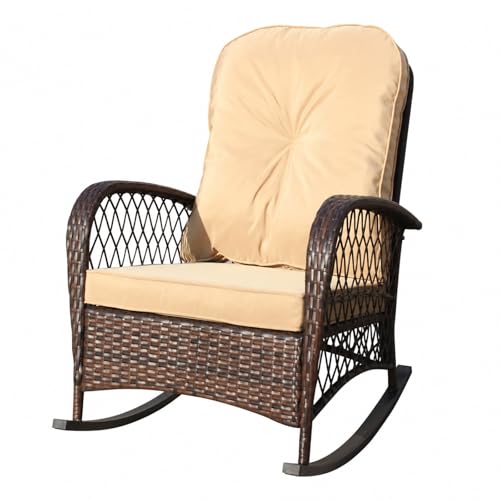
Ergonomic Comfort for Outdoor Lounging: Features a tall curved backrest and wide armrests to support your body naturally; this wide seat rocking chair outdoor provides ample space to relax on your patio for hours without feeling cramped. Your back, shoulders, and elbows finally get the support they deserve.

【Not Just for Outdoors】More than just a piece of outdoor furniture, it complements the indoor ambiance! Its elegant and modern design is perfect for outdoor spaces such as backyards, patios, balconies, porches, terraces, gardens, and poolside. Still, it can also easily bring a romantic, laid-back atmosphere to indoor spaces such as your living room or bedroom.

Elegant Retro Rocking: The egg rocking chair outdoor offers a super soft cloudy cushion. It's padded with high quantity cotton which embrace you from all sides. So you can stretch out solo with a book or relax on this egg chair at any time.
3. Planters and Potted Flowers

Greenery does the work furniture cannot: it shifts the mood of a porch without shifting the furniture itself. A cluster of potted flowers beside the door or along the railing edge brings color up close, where you actually notice it.
I keep my containers light enough to lift, because rotation is the reason I bother with pots at all. Spring bulbs give way to summer annuals, then to a fall arrangement of dried stems and late asters.
The space reads as intentional because something living is always at its peak.
Placement matters more than the pot itself. A planter beside a chair puts the bloom at eye level when you sit.
A line of matching containers along the step edge pulls the eye forward and makes a narrow porch feel wider than it is.
Two ways to play the color: let the flowers repeat a shade already in your cushions or door, or treat the green as a neutral and swap the bloom color entirely each season.
The first reads as a designed room; the second gives you permission to experiment without buying new pillows. I have gone both routes, and the repeat-color version photographs better, but the anything-goes version keeps me from getting bored by August.
Recommended Products

【Perfect Fit for Loveseats】Includes 1 seat (46"L x 26"W x 4"H) and 2 backs (24"L x 19"W x 4"H). Whether you need outdoor loveseat cushions for a wicker frame or love seat cushions for outdoor furniture for a standard patio set, this size fits most wicker loveseat cushions outdoor applications.
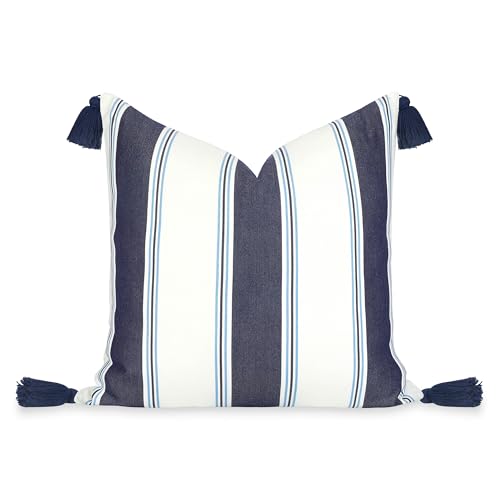
Features: Throw Pillow Cover with tassels; Sold as 1 piece; Dimension: 20"x20" (50cm x 50cm); Same pattern on front and back; Invisible YKK zipper on bottom; 100% Solution-dyed Acrylic

WATERPROOF AND HIGHER QUALITY: High quality linen material, with waterproof coating, durable, waterproof, stain resistant, easy to clean. Suitable for all indoor and outdoor use. It effectively protects your pillow from the sun and rain.(Insert or filler not included) Material: 100%Polyester.
4. Shade Solutions

Shade determines whether a porch gets used at all once June arrives.
I learned this the hard way on my own open patio, where the afternoon sun turned metal chair arms too hot to touch and sent me back inside by three o’clock.
Partial shade from a cantilever umbrella or a simple pergola buys those hours back, dropping the felt temperature enough that sitting outdoors stops feeling like endurance.
A covered porch already solves this, of course. For open spaces, the choice runs between speed and permanence.
A weighted umbrella goes up in ten minutes, tilts with the sun, and stores flat come October. It suits renters and anyone still figuring out their layout.
A pergola takes a weekend and a drill, maybe longer if the posts need concrete, but it frames the space and gives you structure for hanging plants or string lights later.
Cost and commitment scale together here: one is a season’s experiment, the other a fixture that stays with the house.
Even dappled shade changes the equation. A pergola with slats spaced to let some light through still cuts glare and protects bare shoulders.
The umbrella wins if you need to chase shade across the day; the pergola wins if you want to stop thinking about it.
Recommended Products

Material: Hanging fence planter made of metal iron. Durable and lightweight. Balcony flower pots are not easy to rust or damage, and have a long service life

Balcony Rail Planter: Rectangular outdoor planters was designed to maximize inside growing space allowing dirt and roots to grow strong and deep.This special design can be hung on the balcony, window, garden,railing, anywhere in the room,also can be used as desktop.

FITS DIFFERENT RAILS – Accentuate your home or business with a planter that works with decks and balconies with wood and metal railings that are 1.25” to 3.875” wide (2x1, 2x4 and 2x6 railings traditionally) wide. The included fasteners help stabilize the planter over the rail.
5. Accent Tables

A garden stool or small accent table earns its spot on a porch by doing two jobs at once.
It holds a drink, a small plant, or a lantern while taking up almost no space, and it moves wherever it is needed that afternoon.
I have shifted one from beside a chair to the center of a seating cluster when guests arrived, then back against the rail when the space cleared.
Keep the top under 18 inches across if the porch is narrow. Anything wider blocks the path between pieces and turns into an obstacle.
Height matters too: within two inches of the chair arm beside it, so the reach feels natural. A low stool next to a high chair reads as a mistake even when the proportions look fine in the catalog.
Garden stools carry more visual weight than wire or mesh tables, so they work best as single accents rather than pairs. Two matching stools flanking a settee look heavy; one off-center beside a chair looks intentional.
Ceramic and concrete versions stay put in wind but chip when dragged across concrete, so lift them to move them.
Recommended Products

Practical & Enjoyable: Whether you are taking a break or having a vacation, this loveseat is designed for you and your friends enjoying the leisure time freely. With the built-in table and storage space, a cup of coffee, a bottle of wine, a plate of fruit or some of your favorite books can be placed within your reach, adding more convenience to your chatting or reading time.

Modern and Ergonomic Design: The design of our patio furniture set is simple, stylish and Ergonomic. It is perfect to decorate your your yard, poolside, balcony, patio and indoor area. Provide great comfort for you while you are enjoying your leisure time
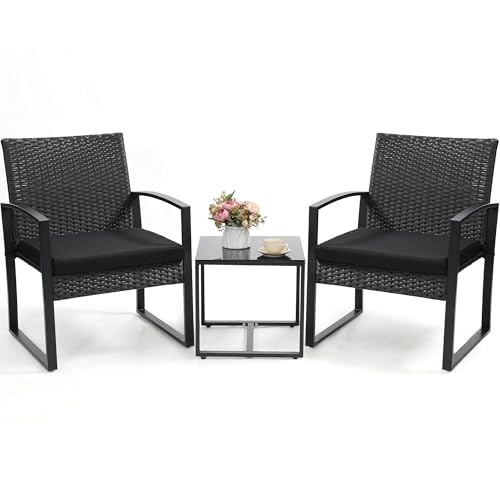
【AESTHETIC AND MINIMALIST DESIGN】The legs connected with seat and armrests. It looks like simple and modern. Each chair has self-adjust feet at the bottom. you can adjust it according to the ground conditions, keep the chair balance.
6. Outdoor Rugs

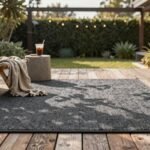
An outdoor rug does the same work on a porch that it does in a living room: it marks where the room ends and the sitting begins. Without one, chairs and a small table can feel like they drift.
With one, even a narrow balcony reads as a defined space.
The material matters more than the pattern. Polypropylene and other synthetic weaves shed rain and dry fast; natural fibers like jute or cotton will mildew and hold stains.
I look for a rug labeled as indoor-outdoor, which usually means it hoses clean and the color is baked in rather than printed on top. A low pile or flat weave is easier to sweep underfoot.
Size is the place where most people guess wrong. The front legs of every piece should sit on the rug, not just the coffee table.
For a standard two-chair setup, that usually means at least a 5 by 7 foot rug, though a dining arrangement needs more length so chairs stay on it when pulled back.
Designers often use a neutral woven rug to ground a dining set, or an indoor-outdoor piece with more pattern to make a porch feel homier. Either works; the rug just has to survive the weather you actually get.
Recommended Products


【All Weather Use】Outdoor swing cushions are waterproof and made of durable outdoor polyester fabric, ensuring they can withstand the elements such as water, sun, and stains. To maximize longevity, it is recommended to allow the cushions 24 hours for proper rebound after being vacuum compressed.

DIMENSIONS: 40"L x 47"W x 78"H; Weight Limit: 265 lbs
7. Rocking Chairs

A painted wicker rocker from Mainly Baskets Home, the kind Veronica Beard keeps on her Nantucket porch, shows why rocking chairs earn their floor space differently than a standard armchair.
The motion itself does the relaxing; your body settles into the rhythm instead of fighting to find a comfortable angle.
Two rockers set the scene for taking in views, but even a single one turns a corner into a destination for morning coffee.
Wicker keeps the look light enough that the chair does not dominate a small porch the way a cushioned lounge might. Rockers need clearance behind and in front, so they suit a deep porch better than a narrow stoop.
If space is tight, a porch swing hangs in the same footprint and seats two, though it gives up that private, self-contained feel.
Recommended Products

[ROCKING CHAIR]: SAFAVIEH Daire Rocking Chair is a porch rocker that suits the front porch, deck, patio, backyard or sunroom, on a curved rocker base with a full-width seat.

Spacious Comfort for Reading & Lounging: Settle into the SWITTE outdoor rocking chair, designed with a generous 45-inch-wide curved seat and a plush 6-inch high-resilience fiber cushion. This papasan rocking chair gently cradles your back and sides, creating a cozy spot for morning coffee, afternoon reading, or winding down at the end of the day

OVERSIZED PATIO SWIVEL CHAIRS - Elevate your outdoor space with the ideal blend of comfort, functionality, and style. Including two patio swivel rocking chairs and a side table, it can add a convenient space to keep your drinks and snacks within easy reach while you relax on it, make any backyard, garden, porch or poolside retreats a tranquil oasis of relaxation.
8. Monochromatic Palettes

A single color carried across every surface reads as intentional, not accidental, but the risk is a porch that feels more like a showroom than a space you want to sit in.
The way out is texture and tone, not color added later. Wrought iron with a weathered finish, cushion fabric with a subtle weave, and matte painted wood all sit in the same family while catching light differently.
A blue-gray scheme stays flat unless you break it: one slubby linen cushion against smooth ones, or metal left bare where paint wore thin.
Repeating that exact shade in the doormat, the flowers in a planter, and a single throw pillow tied it together without making every surface identical.
The garden beyond the railing becomes the accent color; the furniture steps back so the landscape can read.
Recommended Products

PATIO FURNITURE CUSHIONS SET OF 4 - Wellsin outdoor cushions measure 18.5"W x 16"D x 3"H, suitable for most standard size chairs; please check your chair dimensions before purchasing to ensure a proper fit

Color:Nautical Navy Blue, Deep Blue, Dark Blue; Beige Ground,umbrella outside decorations
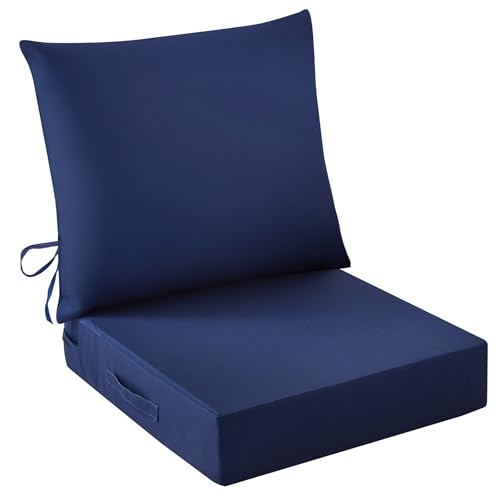
Set Size - Our Patio Furniture Cushions Set includes 1 seat cushion measuring 24"W x 24"D x 5.75"T and 1 back cushion measuring 25"W x 22.5"H.(Please measure the dimensions of your patio chair to ensure proper fit). Designed for relaxation, our patio cushions for outdoor furniture are crafted with 30D high-density foam to deliver exceptional, sag-resistant support. Perfect for patio chairs, garden benches, camping, or even indoor use.
9. Vintage Furniture

A coat of paint turns weathered wicker or rusted metal into something that reads intentional rather than inherited. Choose a color that nods to the piece’s age while dragging it somewhere current.
On a Charlotte porch I studied, designer Barrie Benson took vintage Lloyd Flanders wicker and painted it Benjamin Moore’s Cushing Green, a saturated hue that pulled the garden up onto the seating rather than framing it as separate.
The effect was modern but not apologetic about the furniture’s lines.
For the paint itself, exterior acrylic latex holds up to humidity and UV without the oil-based headache of years past.
Two thin coats beat one thick one; the first bonds to whatever surface prep left behind, the second gives you the depth that reads as finish rather than rescue.
Sand to scuff, not to strip, unless you’re down to bare metal and need rust-inhibiting primer in between. On wicker, a natural-bristle brush works the paint into the weave where spray skims and leaves pinholes that peel by year two.
The risk is going too timid. Sage or cream on old wicker just looks like old wicker someone tried to hide.
Cushing Green works because it commits: the piece becomes a deliberate choice in the corner of the porch, something that draws the eye before the cushions even land.
Recommended Products

🌿HIGH-MATERIAL&QUALITY:Fake hanging plants made of high-quality materials offers outstanding durability and realistic appearance, and is UV resistant and waterproof, so...
10. Dining Setup

A porch dining area works best when it feels like a room that just happens to be outside. An indoor-outdoor rug does most of that work.
Designer Alessandra Branca used one from New Moon Rugs under Birchwood-inspired dining furniture from Woodard’s River Run collection at the "Branca Bungalow," and the effect is homey rather than makeshift.
The rug grounds the set, defines the eating zone, and gives bare feet something softer than boards or concrete.
Outdoor rugs now hold up to weather and clean easily, so there is little reason to skip one.
Designer Heather Chadduck Hillegas used a neutral woven rug the same way, and the consistency matters: a rug that looks like it belongs inside keeps the porch from reading as temporary.
Pillows and outdoor textiles finish the space, but restraint counts. Two or three outdoor cushions in colors pulled from the house exterior soften chairs without crowding the table.
Start with seating and a rug, add a few useful accessories, and let the rest accumulate over time. A collected look beats a decorated one, especially on a porch where too many pieces turn tight quarters into clutter.
Recommended Products

Well-Woven Black PE Rattan: Crafted from hand-woven black PE rattan, this patio loveseat is anti-fading, sunproof and elegant. The wicker design offers exceptional longevity and maintains stylish look.

Simple & Practical: Closed armrest and leg design makes the chair simple but modern and no need to worry about the rattan falling off when they are used after a long time.

Quality and Durable: founded atop a powder-coated steel frame, wrapped in dense all-weather wicker with woven details closely in a black finish with stereo arcuate stripe for a tastefully textured, cozy look, makes outdoor furniture set 3 PCS exceptionally durable
11. Porch Swings

A porch swing lands differently than the seating groups covered elsewhere. It is built for one thing: motion that slows the body down until the mind follows.
Two chairs face each other for conversation; a swing faces outward, and the person beside you shares the view, not the eye contact. That distinction matters when you are deciding what the space is for.
The swing Stephanie Sabbe hung in a Nashville writer’s cottage runs on the same principle.
It sits on a screened porch with woven seating from Janus et Cie, and the combination works because the swing does the relaxing while the fixed chairs do the visiting. Pick one or the other.
A single swing claims the quiet corner and leaves the rest of the porch free for other uses.
For a small porch, this is often the better call. A swing seats two in the footprint of one chair’s sweep, and the rhythm of it, once moving, does what no cushion can.
Choose it if the porch faces a garden, a street worth watching, or any view that rewards stillness. Skip it if the space is for greeting guests or working through breakfast with a laptop; the motion works against both.
What to Skip on a Tight Budget

A matching set of anything can wait. Buy the chair you actually want to sit in, then let the rest accumulate over two or three seasons.
I started with a single rocking chair from a garage sale and added a small side table only when I found one that fit the space; the porch looked finished long before it was.
Outdoor rugs and accent tables are easy places to save.
A cheap indoor rug moved outside for the warm months lasts two or three seasons if you shake it dry after rain, and a concrete block topped with a painted scrap of plywood holds drinks just fine while you hunt for something better.
What I would not skimp on is seating that supports your back for longer than twenty minutes. A $40 bistro chair feels like a bargain until you realize you avoid it.
Spend the bulk of your budget there and let the decorative pieces come last.
Seasonal Refresh Order

- Start with the piece you use longest each year. A solid seat that handles three seasons gives you somewhere to land while everything else waits.
- Add weather protection before you add more furniture. A small awning or a tensioned shade sail costs less than replacing sun-bleached cushions every spring, and it buys you time to save for the next piece.
- Bring in a surface for drinks and plates only after the seating feels settled. A folding tray table works here; you upgrade to something permanent when the layout stops shifting.
- Textiles come last, not first. Outdoor pillows and a throw are the cheapest way to make last year’s chair look intentional, and they let you test colors before you commit to a painted finish or a new frame.
- Replace one piece a year, not the whole set. By year three you have a porch that looks planned, and each item had to earn its spot against the ones already there.
What Wears Out First

The cushions go first, every time. Sunlight breaks down the foam and the fabric in two or three seasons, leaving you sitting on a slab that holds water and smells like mildew.
The frame underneath might still be sound, but replace the cushions before the frame fails and you have doubled your real cost.
Metal and wood frames last longer only if they are the right metal or wood. Unsealed teak weathers to silver and stays structural; painted pine swells at the joints and the paint flakes within a year.
Powder-coated aluminum holds up under rain, but the coating chips at the welds if the piece bangs around in a storm.
A screen porch changes the math entirely. The screen blocks enough UV and wind-driven rain that even mid-grade cushions hold their color and loft longer than they would three feet outside it.
Screening in a porch allows us to enjoy the views and gentle breeze well into the year, while protecting your furniture from fading and weather damage.
— Veranda
For a $500 annual budget, that protection is worth more than any single chair. You are buying time, not just shelter.
Sizing Without Measuring

Most porches look bigger than they are until you try to walk through them with furniture in hand.
I learned this the hard way hauling a loveseat up three steps and watching it wedge against the railing like a cork in a bottle. Now I size everything against my own body before I buy.
A seat that looks modest in a warehouse will eat half a narrow porch. Your hip width, plus a fist on either side, is roughly the minimum path you need to pass behind a chair without turning sideways.
Stand in the doorway you plan to use, arms slightly out, and that span is your maximum piece width if you want to avoid disassembly.
For depth, lie on the floor where the furniture will sit, head to wall, feet pointing out. If your shoes hang past where the seat back would start, the piece will crowd the steps.
I use the interior door to the house as my scale check: anything wider than that frame is staying outside forever, rain or not.
Height matters less until it does. A chair back that clears your chin when you stand beside it will block the view from inside and make the porch feel like a storage unit.
I hold my hand flat at collarbone level; anything above it gets a second thought, not a quick yes.
Frequently Asked Questions
What are some comfortable seating options for a porch?
Chairs angled toward each other, a bench against the railing, a porch swing, or rocking chairs all work well.
The right choice depends on how many people you want seated at once and whether the space is for conversation or quiet relaxation. A swing adds motion that cools hot afternoons, while two chairs suit morning coffee alone.
How can I add color to my porch?
Outdoor cushions and pillows soften hard edges fast, and potted flowers bring color up close where you notice it. For textiles, pick a shade that repeats your home’s trim or door color rather than matching the siding exactly.
With flowers, either repeat a cushion color for a designed look, or swap bloom colors each season to experiment.
What are good shade solutions for a porch?
A cantilever umbrella or a simple pergola both buy back afternoon hours by dropping the felt temperature.
A weighted umbrella goes up in ten minutes, tilts with the sun, and stores flat; a pergola takes a weekend to build but frames the space and supports hanging plants or string lights later.
What types of outdoor textiles should I use?
Look for solution-dyed acrylic or labeled outdoor polyester; both hold color through seasons of sun and shrug off rain that would mildew cotton in two days.
The weave should feel tight enough that you cannot easily push a pencil through it. Avoid natural fibers like jute or cotton, which mildew and hold stains.
How can I refresh vintage outdoor furniture?
Paint it a saturated color that nods to its age while feeling current, like Benjamin Moore’s Cushing Green on vintage wicker.
Use exterior acrylic latex in two thin coats rather than one thick one, and sand only to scuff unless you need rust-inhibiting primer on bare metal.
The risk is going too timid; sage or cream just looks like you are hiding something.
What furniture should I put on a front porch?
Start with seating that pulls people in and keeps them there: two chairs for conversation, a bench for a narrow space, or a swing for motion and cooling.
Add an outdoor rug to define the space, a small accent table for drinks, and cushions in colors pulled from your home’s exterior.
Let the rest accumulate over two or three seasons rather than buying a matching set all at once.
How can I make my front porch look nice?
Outdoor cushions and pillows make a seating area feel finished with almost no budget. Add potted flowers beside the door or along the railing, placed at eye level when you sit.
An outdoor rug marks where the room ends and the sitting begins. Repeat a color from your house exterior in textiles and blooms so the porch reads as belonging to the structure.