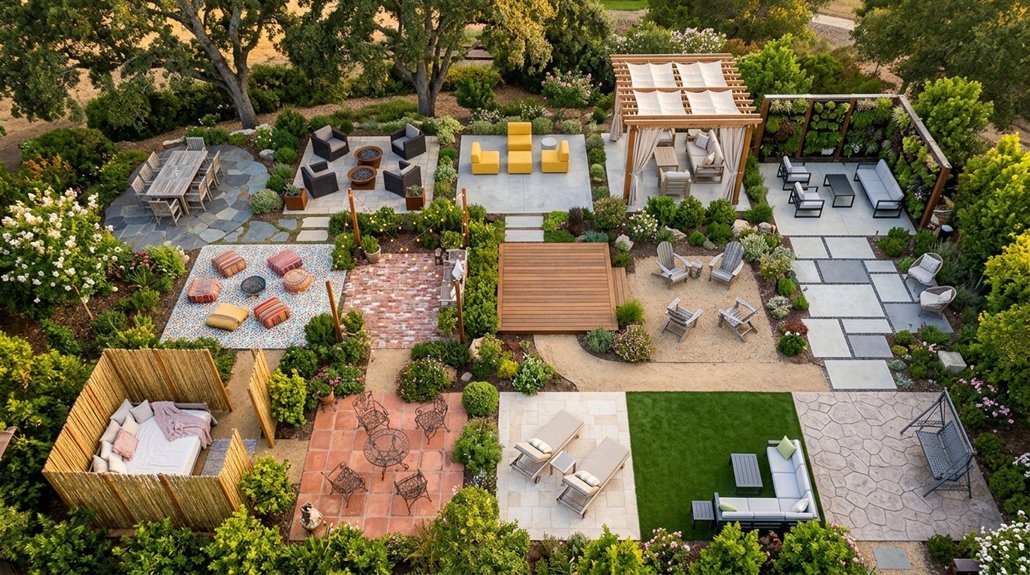
You’re staring at your back yard wondering how to transform that empty slab or patch of grass into something functional. Whether you’ve got a sprawling lawn or a postage-stamp space, the right patio design can completely change how you live outdoors. But choosing between gravel, pavers, or a multi-level deck isn’t always straightforward. There’s one critical mistake most homeowners make when planning their layout.
Design a Compact Patio Layout for Small Yards
Even a modest backyard becomes an inviting retreat when you plan with purpose. You measure your available space carefully, then sketch a layout that maximizes every square foot. You position your seating area against the fence, creating a natural boundary that frees up the center for movement. You build upward when you can’t build outward, installing vertical planters or a trellis to draw the eye skyward. You select scaled-down furniture that doesn’t overwhelm, choosing pieces that serve dual functions like storage benches or nesting tables. You create distinct zones with subtle shifts in elevation or material, defining dining from lounging without bulky dividers. You leave breathing room between elements, so your compact patio feels intentional, not cramped. You illuminate strategically with string lights or sconces, extending usable hours. You’ll discover that small spaces reward thoughtful design.
Recommended Products
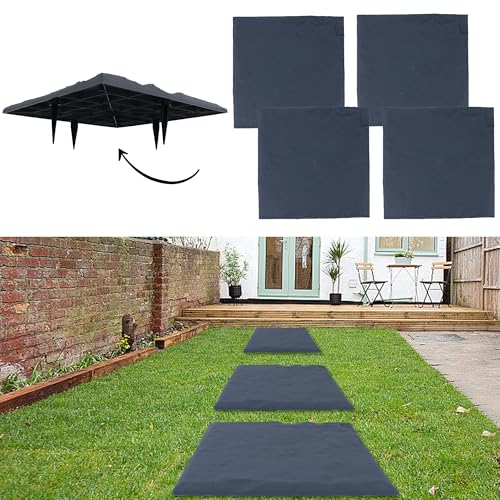
Durable & Easy: These 15.5" stepping stones are made of weatherproof resin, so they can withstand rain, hail, UV rays, and cold temperatures. They also feature four ground stakes for secure installation, making them perfect for patios, walkways, and gardens.

Decorative beautification effect: using unique natural pebbles, can be freely spliced and combined to create a personalized patio path or pattern. It can also be separated into single pieces and flexibly embellished in various parts of the yard, adding natural wild fun. It is a unique and practical decorative element for lawn and garden
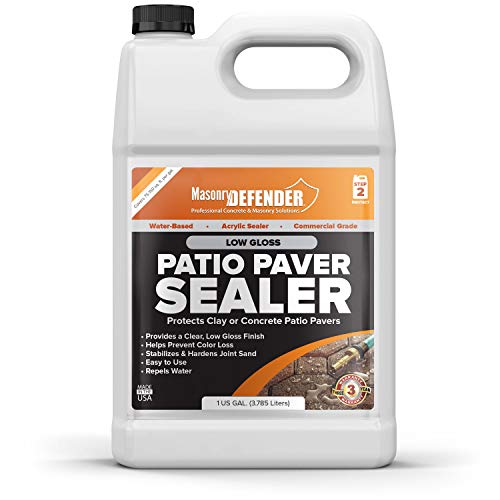
CLEAR WATERPROOF PROTECTION: Water based acrylic sealer dries clear with a low gloss finish, enhancing and protecting surfaces from fading. VOC-compliant and prevents color loss without yellowing.
Use Gravel for a Budget Patio Alternative
Small yards demand creative solutions, but your budget shouldn’t limit your vision. You can transform your compact outdoor space with gravel, creating a stylish patio without draining your savings. Start by clearing your chosen area and laying landscape fabric to block weeds. You’ll then spread crushed stone or pea gravel two to three inches deep, raking it smooth for an even surface. Gravel allows water to drain naturally, preventing puddles during rainstorms. You can edge the perimeter with inexpensive materials like treated lumber or metal strips to keep stones contained. Add a few outdoor chairs and a small fire pit, and you’ve created a functional retreat. You’ll appreciate how gravel shifts slightly underfoot, providing texture and stability without the cost of concrete or stone.
Recommended Products

This gravel has a variety of uses including landscape and garden decoration, drainage, and building walkways.


Weather Resistant & Long-Lasting:Tired of gravel scattered across your yard after heavy rain or bark blown away by strong winds? This mulch and rock glue locks pea gravel, rubber mulch, small stones, and bark firmly in place, resisting erosion, wind, rain, and everyday foot traffic for a cleaner, long-lasting landscape.
Install Pavers for a Premium Patio Surface
Why compromise on durability when you’re ready to build something permanent? Install pavers and create a lasting surface that withstands heavy foot traffic and weather extremes.
You’ll excavate six to eight inches, then layer compacted gravel and sand before setting each paver by hand.
Choose concrete pavers for affordability, or splurge on natural stone like bluestone or travertine for distinctive character.
You’ll interlock the pieces tightly and sweep polymeric sand into joints to lock everything together.
You’re gaining flexibility, too. Individual pavers lift and replace easily if staining or cracking occurs.
You’re avoiding the structural headaches of poured concrete.
You’ll also appreciate the immediate usability—no curing time required.
Seal your finished surface annually to preserve color and prevent weed growth between joints.
Recommended Products
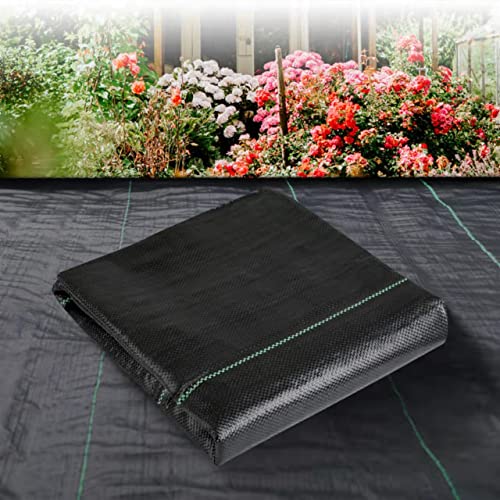
Premium Weed Barrier Fabric:Weed barrier landscape fabric is a type of geotextile fabric that is commonly used in landscaping and construction.With excellent weed control properties, providing a clean and tidy landscape.Very strong and durable,Pro landscape weed barrier will provide you with premium weed protection for a very long time.

【Premium Weed Barrier Fabric】 Weed barrier landscape fabric is a type of geotextile fabric that is commonly used in landscaping and construction. With excellent weed control properties, providing a clean and tidy landscape. Very strong and durable, Pro landscape weed barrier will provide you with premium weed protection for a very long time.

Professional Grade Weed Barrier: LAVEVE weed barrier fabric is made of woven polypropylene material. Its high-density and permeable characteristics effectively stop weed growth and protect soil health so your plants can grow well.
Build a Multi-Level Patio on Sloped Terrain
How do you build on land that refuses to stay flat? You embrace the slope and create distinct levels that transform limitation into architectural interest.
Start by mapping your yard’s natural grade. You’ll carve terraces into the hillside, securing each level with retaining walls built from stone, concrete, or timber. Stack your spaces vertically—perhaps a dining patio below, a fire pit lounge above, connected by wide steps that double as seating.
You’ll solve drainage by grading each level slightly and installing French drains behind walls. This prevents water from pooling or undermining your structure.
Vary your materials between levels to define zones visually. Use warm wood for one terrace, cool stone for another. Plant cascading greenery along edges to soften transitions.
Your sloped yard becomes a dynamic destination, not a construction obstacle.
Recommended Products

Commercial Grade and Energy Saving: 105 FT S14 Patio string lights with 33+2 pcs shatterproof 1 W E26 base bulbs. 80LM Brightness equivalent to 11 watt traditional bulbs, brighter and slash electric bills by 90% with our outdoor string lights

With Remote Control (Dimmable) - Allow you to adjust the brightness to your needs: 25%, 50%, 75%, and 100%. You can also choose from three lighting modes: Lighting/Breath/Flash, 3/5 hour timer modes

【 55ft LED Connectable String Lights 】- This outdoor light comes with 25+2 G40 LED bulbs. Each bulb is 2 feet apart for a total length of 55 feet. It supports an end-to-end connection of up to 14 strings, allowing you to customize the length you need. These lightweight and convenient patio lights are easy to carry and store
Create a Deck-Patio Hybrid for Uneven Ground
Where the ground dips and rises unpredictably, you’ll blend the best of both worlds—anchoring a low deck to posts that span the uneven terrain while extending onto a paved patio at grade.
The elevated deck creates a level dining surface above the worst irregularities, while the adjacent patio grounds the design at natural height.
You’ll bridge the two surfaces with gentle steps or a subtle slope, using matching materials to unify the look.
The deck carries your traffic over mud-prone spots; the patio handles the flatter zones where you want direct garden access.
This hybrid eats less lumber than a full deck and requires less excavation than a sunken patio.
You gain flexibility without fighting the topography.
It’s practical adaptation, not forced uniformity.
Recommended Products

【MODERN COMFORT】 Our handwoven rattan bistro chairs and ottomans are designed to maximize your seating comfort. The contemporary timeless modern design fits almost any decor. Relax and enjoy the day in comfort or enjoy a conversation with friends.

Durable & Weather-Resistant Design: Crafted with rust-proof steel frames and premium all-weather PE rattan, this patio furniture set withstands sun, rain, and wind while retaining its elegant look season after season
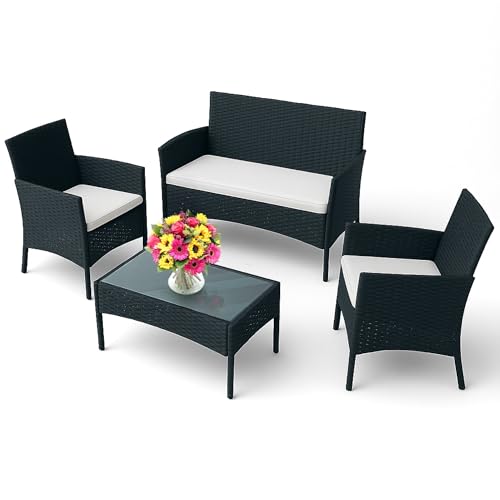
Heavy-Duty Build - Designed for long-lasting use, the patio chairs support up to 353 lbs with a rust-proof steel frame and reinforced PE rattan that won’t easily warp, sag, or crack under pressure.
Add a Pergola to Your Patio for Shade
When scorching afternoons drive you indoors, you’ll reclaim your patio with a simple structure overhead. A pergola transforms your space without enclosing it completely.
You choose your coverage level. Install retractable canopies, climbing vines, or shade cloth across the open slats. Position your pergola strategically—you’ll block the harshest midday sun while preserving airflow and filtered light.
Build with cedar or pressure-treated lumber for durability. Anchor posts properly into concrete footings if you’re constructing freestanding, or attach one side to your house for stability. You’ll find ready-to-assemble kits at most home centers, or hire a contractor for custom dimensions.
Add string lights beneath the beams for evening ambiance. Train wisteria or grape vines up the posts for natural cooling that deepens each season. You’ve gained shade without sacrificing the open-sky feel.
Recommended Products


Weather-Resistant & Built to Last: Crafted from durable PC+ABS resin, these stepping stones are heat-resistant, crack-proof in freezing temps, and impact-resistant. Designed for year-round outdoor use, they won’t fade, warp, or lose their shape—rain or shine.

PENETRATING STONE SEALER: All-purpose natural stone sealer that provides an impenetrable barrier from moisture and saltwater erosion. This deep penetrating grout sealant is ideal for both indoor and outdoor stone surfaces such as travertine patios, flagstone walkways, stone pavers sealer, limestone pool decks, and it’s ready to use. No mixing required!
Build a Covered Patio for All-Weather Use
Why settle for a patio you can only use half the year? Build a covered patio and you’ll extend your outdoor living through every season.
You’ll start by selecting durable roofing materials that complement your home’s architecture. Metal, polycarbonate, or traditional shingles each offer distinct advantages you’ll weigh against your climate and budget.
Next, you’ll integrate proper drainage and gutter systems to manage rainwater effectively. Consider adding ceiling fans for summer comfort and outdoor heaters for chilly evenings.
You’ll want to install adequate lighting for year-round functionality. Recessed fixtures or pendant lights create ambiance while ensuring safety after dark.
Finally, choose weather-resistant furnishings that withstand moisture and temperature swings. With these elements in place, you’ll host gatherings, relax with books, or dine outdoors regardless of what Mother Nature delivers.
Recommended Products

【READY TO USE MULCH BINDER — NO MIXING, NO MESS, JUST SPRAY】 Skip the measuring cups and complicated ratios. This ready to use mulch binder comes pre-mixed for fast application straight from the bottle. Simply pour into a garden sprayer or use with an electric sprayer (not included) to secure bark, wood chips, pine straw, and decorative landscape materials with less effort and more consistent coverage.

Professional Landscape Rock Stabilizer: Securely locks pea gravel, decorative rocks, and small landscape stones in place with a strong, long-lasting hold. Designed for garden beds, walkways, patios, and outdoor landscaping projects, this rock stabilizer helps reduce shifting gravel, scattered stones, and messy outdoor spaces while creating a clean, professional-looking finish.
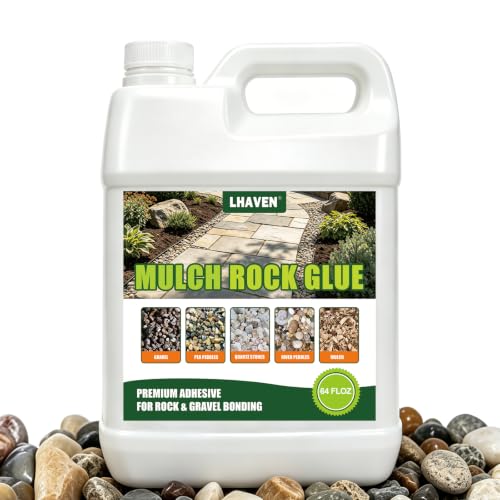
High Bond Strength & Viscous Formula: LHAVEN rock glue for landscaping boasting a honey-thick high-viscosity formula (10,000 mPa·s), Even diluted, it holds 5X more solid particles for strong bonds that securely lock every rock. This robust gravel glue prevents gravel shifting to keep your yard tidy. The stone glue can firmly binding rocks, pea gravel, pebbles and decomposed granite. Fully permeable, it maintains soil moisture and nutrient movement for your landscape
Maximize a Narrow Side Yard With a Linear Patio
A covered patio suits many homeowners, but you’ll face different constraints when working with a narrow side yard. You can’t expand outward, so you’ll stretch lengthwise instead. Install a linear patio using rectangular pavers arranged in a running bond pattern to emphasize the yard’s depth. Choose permeable materials to ensure drainage doesn’t become problematic in tight quarters. Keep your design simple; avoid bulky furniture that blocks passage. Instead, select slender benches or built-in seating along the perimeter walls. Add vertical interest with climbing vines or wall-mounted planters to draw the eyes upward and create spaciousness. Line the pathway with low-voltage lighting to extend usability into evening hours. This approach transforms your awkward strip of land into a functional transition space connecting front and back.
Recommended Products

Durable PP Fabric: This 2.4 oz landscape weed barrier fabric measures 6 ft wide and 300 ft long. The heavy duty weed barrier is here to fully cover 1800 sq. ft area, making your life easier and 100% hassle-free. It protects your garden and flower beds from weeds, highly increasing your productivity and efficiency.

Keep Your Landscape Clean and Tidy: Our premium weed barrier is designed to provide excellent weed control properties, ensuring a clean and tidy landscape for a long time.

Heavy-duty PP Material: Size: 5 ft x 250 ft. Thickness: 5 oz. Our woven fabric design ensures weatherproof feature. Meet different weather needs.
Add a Fire Pit to Your Patio for Gatherings
Where else can you gather on a crisp evening but around a crackling fire? You can install a fire pit as your patio’s focal point, creating warmth and light for guests. Choose a built-in stone design for permanence or select a portable metal bowl for flexibility. You’ll want to position seating in a circular arrangement, ensuring everyone stays close enough to feel the heat while maintaining safe distances from open flames. Use weather-resistant chairs or built-in benches with cushions for comfort. Consider wood-burning options for traditional ambiance or gas-powered models for instant ignition and easier cleanup. You’ll extend your outdoor season significantly, roasting marshmallows in fall or sharing stories on cool summer nights. A fire pit transforms your simple patio into a year-round destination.
Recommended Products
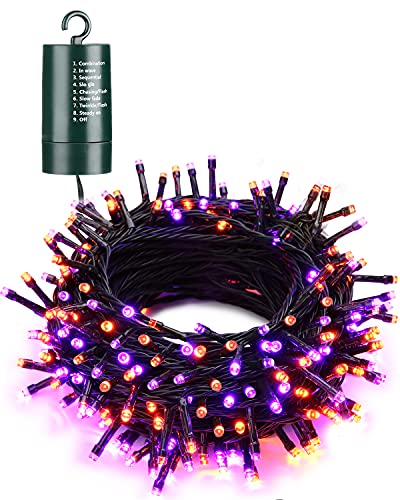
【Auto Timer & Memory Function】: The timer keeps 6 hours "On" and 18 hours "Off" once activated. Free your hands and save energy. Build in Memory chip save your last modes setting and no need to reset mode every day.

200FT Extra-Long size:Most string lights on the market are only 50-120ft size,For large yards,pool sides,or long fences often require multiple strings to be connected,resulting in tangled wires and potential poor contact.Our 200ft extra-long string light can wrap around an entire tree,cover an entire patio,or even illuminate a medium-sized garden with one string lights,no splicing needed,Installation is time-saving,making the decor looking seamless and attractive.

【Remote Control – Adjust Lights Without Getting Up】Sit back and use the remote to turn your lights on/off and fine-tune the brightness. Easily move from a gentle evening glow to bright lighting for cooking, gatherings, or game night, all without walking over to the outlet. The maximum remote control range is 50 feet.
Build an Outdoor Kitchen on Your Patio
How much time do you spend running between your grill and indoor kitchen during summer gatherings? You eliminate those trips when you build an outdoor kitchen on your patio. You install a built-in grill, countertops, and a mini-fridge right where you entertain. You chop vegetables, marinate meat, and mix drinks without missing conversations. You add a sink and storage cabinets to keep essentials within reach. You choose weather-resistant materials like stainless steel or sealed concrete that withstand elements year-round. You position your cooking zone away from seating areas so smoke drifts clear. You extend your patio cover or install a pergola overhead for shade while you work. You power appliances with natural gas lines or propane tanks hidden in cabinetry. You transform casual barbecues into seamless experiences where you cook and connect simultaneously.
Recommended Products

COMFORTABLE & STYLISH DESIGN: This patio set has thick, high-density rebound sponge cushions for cozy seating. Its simple, stylish look suits patios, balconies, poolside, or gardens.

【PERFECT FIT NO HASSLE – Universal & Precise Sizing】90"L x 64"W x 28"H fits most 4-5pcs outdoor sectional sofas and small dining table-chair combinations. Eliminates guesswork and returns—just measure your furniture’s max length/width/height for a snug, low-maintenance fit.
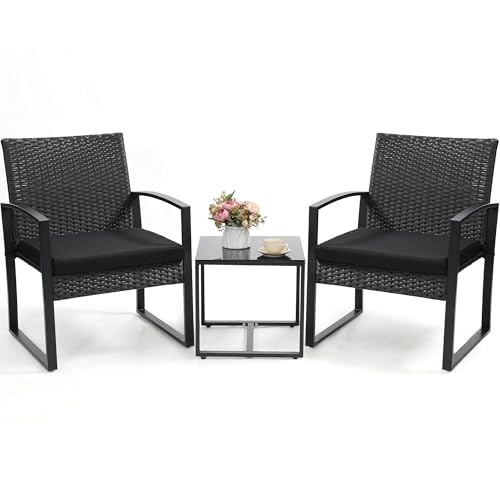
【AESTHETIC AND MINIMALIST DESIGN】The legs connected with seat and armrests. It looks like simple and modern. Each chair has self-adjust feet at the bottom. you can adjust it according to the ground conditions, keep the chair balance.
Carve Out a Quiet Nook on Your Patio
Why retreat inside when you’re craving solitude? You’ll transform a forgotten corner into your personal sanctuary using simple patio strategies. Install a weatherproof privacy screen or trellis covered with climbing vines to block unwanted sightlines. Add a deep-seated lounge chair or hanging swing where you’ll settle with books and beverages. Layer outdoor rugs and soft cushions to define the space and boost comfort. Position a small fountain nearby; you’ll mask street noise with gentle water sounds. String warm lights overhead or place a battery-operated lantern within easy reach. Keep the color palette muted and choose natural materials to promote true relaxation. You don’t need sprawling square footage—just intentional design choices that prioritize calm over daily chaos. Claim this peaceful outdoor retreat for yourself today.
Create a Kid-Safe Patio With Room to Play
Your peaceful retreat can coexist with a space where children explore and burn energy. Start by selecting soft, impact-absorbing surfaces like rubber pavers or artificial turf beneath play zones. You’ll want to anchor furniture securely and eliminate sharp corners where little ones dash past.
Incorporate a dedicated activity corner with a sandbox, mini climbing structure, or chalkboard wall that keeps toys contained visually. Establish clear sightlines so you supervise without hovering. Use planters or low benches to define boundaries between adult seating and play areas naturally.
Choose durable, washable fabrics for cushions since spills happen constantly. Install adequate lighting for evening catch sessions. Store bikes and balls in weatherproof bins that double as seating. You’re building flexibility into your design so the space evolves as your family grows.
Center Your Design Around a Water Feature
What transforms an ordinary patio into a tranquil escape? You’ll find your answer in the soothing presence of water. Build your entire layout around a fountain, pond, or cascading waterfall. You’ll create an instant focal point that draws the eye and calms the mind.
Position your seating to face the water feature directly. You’ll maximize both the visual impact and the relaxing soundscape. Choose a recirculating pump system, and you’ll keep maintenance manageable while conserving water.
Consider scale carefully. A compact bubbling urn fits tight corners, while a multi-tiered installation anchors expansive pavers. You’ll mask unwanted neighborhood noise with gentle splashing. Add underwater lighting, and you’ll extend your patio’s usable hours into evening.
Let water movement dictate your material choices. Smooth river rocks echo natural streams; corten steel creates modern contrast. You’re crafting sensory immersion, not mere decoration.
Blend the Hardscape Into Your Garden
How can you soften the boundary between stone and soil? You’re bridging two worlds when you merge hardscape with garden, and you’ll want that transition to feel organic rather than abrupt.
Start by choosing materials that echo your region’s natural landscape. You’re selecting flagstone that mimics nearby rock formations or gravel that matches local riverbeds. Don’t stop at the patio’s edge; you’re allowing groundcovers to creep between pavers and letting native grasses brush against retaining walls.
You’re planting right up against stone borders, mixing textures so no single line separates built from grown. Let moss colonize shady corners. Position boulders as if they’ve always rested there. You’re creating moments where guests can’t tell where construction ends and nature begins. That deliberate blur transforms your patio from platform to paradise.
Layer Lighting for Ambiance and Safety
As dusk settles over your carefully blended garden and stone, the same intention behind merging hardscape with nature now shapes how you’ll illuminate the space.
Start with task lighting. You’ll need bright, focused beams where you cook, dine, and navigate steps. Position fixtures to eliminate shadows on work surfaces and mark elevation changes clearly.
Next, add ambient layers. String lights overhead, nestle uplights beneath specimen trees, and wash vertical surfaces with soft glow. You’re building depth without harsh glare.
Finally, weave in accent lighting to highlight textures you’ve worked hard to install: the rough stack of a retaining wall, water shimmer, or architectural plants.
Choose warm color temperatures and dimmable controls. You’ll adjust mood instantly while maintaining safe passage through your outdoor room long after sunset fades.
Conclusion
You’ve got fifteen solid directions to take your back yard patio, whether you’re working with a tight budget or a tricky slope. Mix and match ideas that fit your space and lifestyle—maybe gravel underfoot today, pavers later, or a fire pit paired with layered lighting. The best patio grows with you, so start where you can and build outward. Your outdoor space is waiting.