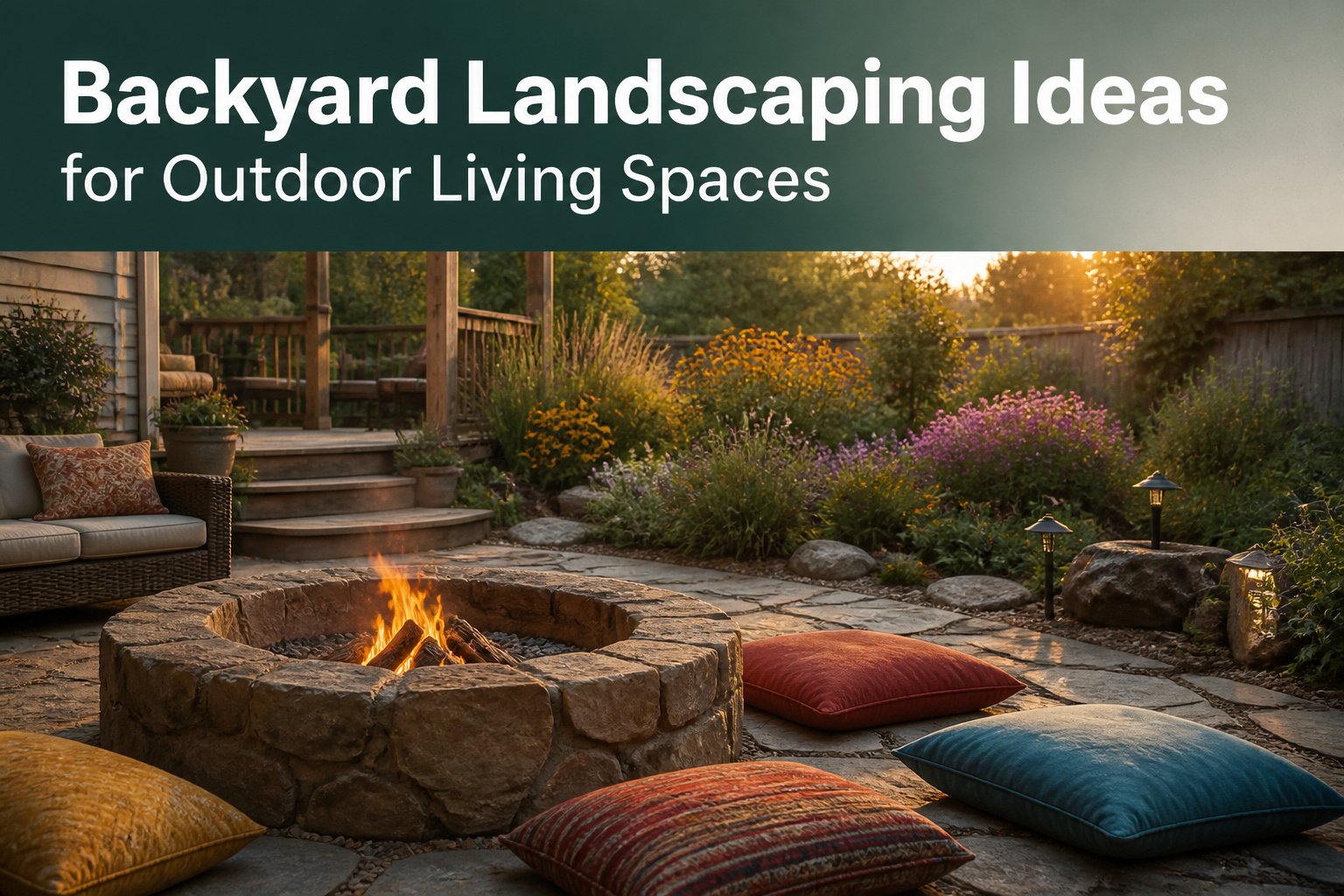
The difference between a backyard you walk through and one you live in is usually one hard decision: whether to build for the season you have or the season you want.
A $100 fire pit buys s’mores in October; a $6,000 gazebo buys mosquito-free dinners in July; a $2 packet of seeds buys tomatoes if you accept three years of learning your soil.
Most of these twenty ideas share a single trap, something the photos never show, like the electrical run a sauna actually needs or the pump cleaning a fountain demands by midsummer.
The one that fits your yard depends on which hidden cost you are willing to pay.
1. Fire Pit

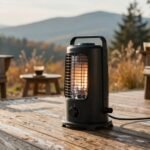
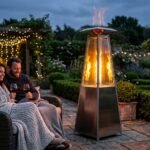
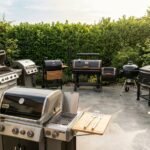
A fire pit pulls evening gatherings outside even when the air has turned sharp.
Portable steel bowls start below $100 and can be shifted off the patio when space gets tight; built-in stone or brick rings climb toward $1,400 and stay put, which is the trade if you want seating tucked right up to the edge.
I have watched the portable route fail when a cheap bowl warped after two seasons of heavy use, and I have watched built-ins fail when the homeowner sized the ring too tight for more than four chairs.
Leave 18 inches of walking space between seat backs and flame if you want people to actually circulate.
For most small yards, a 30- to 36-inch portable unit on a gravel base works best: you get the focal point, the s’mores excuse, and the option to roll it into the garage when the party’s over.
Recommended Products

[3 IN 1]: OutVue fire pit is equipped with 2 cooking grills, 1 lid and tabletop. When you fix grills and tabletop to the fire pit, you can enjoy the roast and bonfire. When it not make fire and cover the lid, you will get a 36 inch round table to have a meal or coffee for 6-8 persons. OutVue provide a wood fire pit has 3 functions: bonfire, barbecue and table, which can be used all year for your garden, yard, patio. This's also a very thoughtful gift to friends.

🔥【Portable Camping Propane Fire Pit】Our portable camping propane fire pit includes a carry kit for easy carrying. It is rainproof and rust-resistant, protecting the fire pit from various weather conditions.(⚠️ Not Heat Resistant lid: Do not place the lid on the fire pit while it is in use. Allow the fire pit to cool completely before covering it.)

WOOD BURNING OUTDOOR FIRE PIT WITH SPARK SCREEN, BLACK: 22 inch round fire pit designed purely for warmth and cozy ambiance; heavy duty carbon steel construction; mesh spark screen blocks flying embers; 600 degree high temperature rust resistant paint; enjoy cozy evenings under the stars with family and friends
2. Pergola

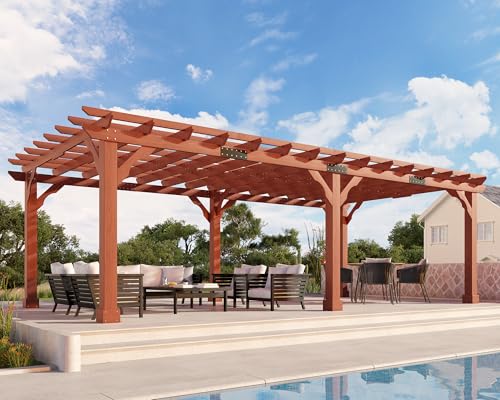
A pergola gives a backyard its bones. Without one, a seating area can feel like furniture dropped on grass; with one, the same chairs suddenly read as an outdoor room.
The average build runs about $3,500, though larger or more finished models can push toward $6,000.
Material choice shapes both price and whether the project belongs in your hands or a contractor’s. Cedar and pressure-treated lumber are common starting points.
Cedar weathers to silver-gray and resists rot without pressure treatment, but it costs more upfront.
Pressure-treated pine is cheaper and widely available, though it checks and cracks as it dries and needs stain or paint within a year or two to look intentional.
Vinyl and aluminum kits exist for cleaner lines and less maintenance, but they read more pool-deck than garden, and the price climbs fast.
I built a small cedar pergola off my back door three seasons ago.
It took a full weekend, a rented auger for the post holes, and one trip back to the lumberyard because I had underestimated the beam length by six inches.
For a simple rectangular footprint on level ground, a patient DIYer with a circular saw and a level can manage. Curves, attached roof structures, or anything wider than twelve feet starts to need engineering and a crew.
At that point, the $3,500 average is money toward speed and a permit pulled correctly rather than toward your own Saturdays.
Recommended Products

𝟏𝟎𝟎% 𝐍𝐚𝐭𝐮𝐫𝐚𝐥 𝐂𝐞𝐝𝐚𝐫 𝐖𝐨𝐨𝐝 𝐂𝐨𝐧𝐬𝐭𝐫𝐮𝐜𝐭𝐢𝐨𝐧: Crafted from premium cedar wood, this pergola delivers exceptional strength and natural resistance to decay, rot, and insect damage. Cedar's natural oils protect against moisture and weathering, ensuring lasting beauty with minimal maintenance. The rich wood grain and warm tones add timeless character to any patio, garden, or deck.

Premium Solid Cedar & Weather-Resistant Finish: Crafted from premium solid cedar with rich natural wood grain, this wood pergola brings timeless beauty to any backyard. Naturally resistant to decay, insects, and moisture, the cedar features a weather-resistant finish that helps repel water, resist decay, and reduce maintenance for lasting outdoor durability

Premium Solid Cedar Wood Frame: Crafted from high-quality cedar wood with rich grain patterns, this pergola features a natural finish and is treated with a weatherproof stain for long-lasting durability, ensuring protection through all seasons
3. Outdoor Kitchen

A magazine outdoor kitchen runs about the same as a new car, sometimes two.
The stone counters, the built-in grill, the refrigerator drawer, the whole works: that is the $100,000 end, and it is what most people picture when they hear the term.
What actually fits a modest backyard budget is a different thing entirely, and the gap between those two pictures is where most homeowners waste money or give up entirely.
A $5,000–$20,000 outdoor kitchen buys you a solid grill cart, weather-resistant cabinets, and a modest counter run in concrete or tile. You prep on it, you cook on it, you eat beside it.
What it does not buy is plumbing, which means no sink, and no refrigerator, which means you are still running inside for ice and raw chicken.
The layout that works here is linear: grill against the house wall, counter to one side, maybe a small bar overhang for stools if the budget stretches.
The mistake I see most often is someone blowing half their budget on a built-in grill head when a quality freestanding unit does the same work and moves with you.
Luxury at this price level means better materials, not more function. A $15,000 kitchen might use porcelain tile that looks like stone, or add a small side burner.
It still does not include the infrastructure that makes outdoor cooking truly convenient. That infrastructure, the gas line run, the electrical, the covered structure overhead, is what pushes projects toward the top of the range and beyond.
My own advice is to build the bones you can afford now and design the pad so the plumbing stub and electrical conduit are already in place. Upgrading later costs less than retrofitting.
Recommended Products

✅If you feel this mosquito netting screen wall is bigger than expectation, please contact us directly or you can change the way to assemble.

Package included - Your package includes 2 panels curtains. Each measuring 125 inches width and 98 inches long. Together, they create a perfect 20FT backdrop curtains. Designed to enhance your patio, porch, or gazebo, this elegant curtain offers both functionality and style.

Versatile Outdoor Coverage: Use this large patio screen on porches, pergolas, gazebos, and compatible garages to help create a comfortable semi-enclosed space for summer lounging and fresh airflow; compare the screen dimensions with your opening for a better fit before ordering
4. Swimming Pool

A swimming pool turns a yard into a resort, but the numbers stop most budgets cold. An in-ground pool runs $20,000 to $65,000, and that is just the installation.
The annual upkeep, chemicals, equipment repairs, and higher insurance pile on year after year.
For someone keeping their whole outdoor spend around $500 to $800 annually, this is not a realistic backyard landscaping idea. The pool alone would swallow that budget many times over before the first swim.
Above-ground options exist at lower cost, though they carry their own shorter lifespan and still need ongoing attention.
If you want water in the yard without the financial drain, a small stock tank pool or even a fountain gives that cooling presence. Neither delivers laps, but both fit a budget that actually closes.
Recommended Products

Specs & Dimensions: 4.33*3.5*4.1 inches; Max flow rate: 800 GPH (3000L/H); Max lift height: up to 10 ft.; Wattage: 50W; Voltage: 110-120V
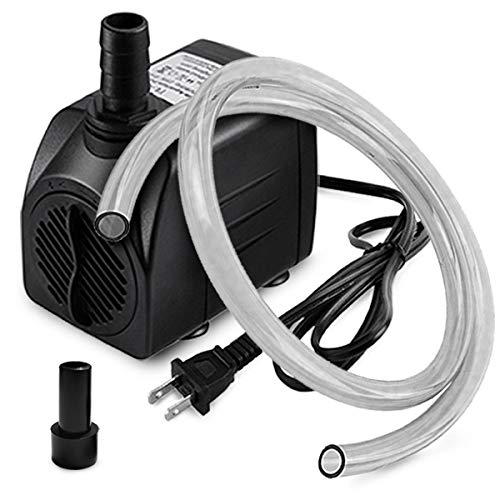
Multi Function: Pumps can help you to circulating your aquarium, and creat a nature aqua world for the fishes. Our pumps can continuously supply stable flow, a good choice for medium fish tanks, small pond, fountains, water spring artworks, garden, aquaponic, aquaculture and many more.

Quickly cleans water pumps
5. Vegetable Garden

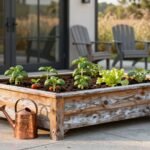
A packet of seeds runs about $2, which makes a vegetable garden the cheapest entry point on this list. I started mine with four packs and a bag of compost, no raised bed, no fence.
The first season gave me lettuce and radishes that matured before the heat arrived, plus a few stunted tomatoes where I had guessed wrong on sun.
By the third season the same patch was producing pole beans on twine trellises and enough peppers to freeze, because I had learned the warm pockets and the wet spots through failure.
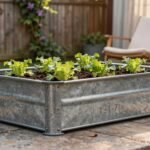
Textured mulch and steel or concrete edging turn the utilitarian rows into something that reads as intentional design.
Mulch keeps soil moisture steady and cuts weeding time; edging keeps lawn grass from colonizing the bed and gives a clean line for the mower to follow.
Neither is necessary for the harvest, but both address the real problem of a vegetable garden in a small yard, which is that it can look like a construction site for half the year.
Recommended Products

Premium Natural Cedar Wood Construction - Crafted from 100% natural cedar wood, this grill gazebo boasts inherent rot, moisture, and pest resistance, perfectly suited for long-term outdoor use. The solid columns deliver robust structural stability, ensuring reliable durability across changing weather conditions
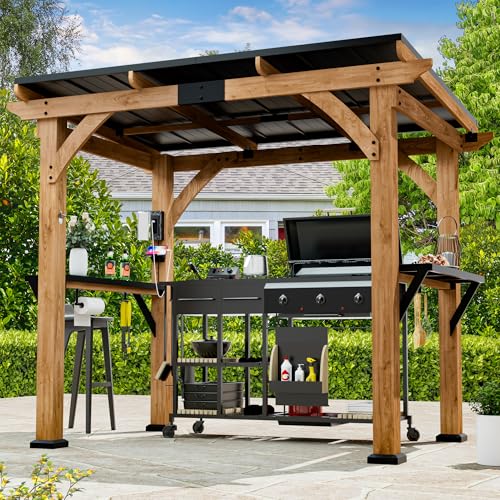
[Premium Cedar Wood Materials] This wood grill gazebo is crafted from FSC Certified premium cedar, ensuring sustainably sourced, high-quality wood for your outdoor bar setup. The frame of this hardtop gazebo is reinforced with powder-coated steel bolts and brackets, offering long-lasting durability and resistance to rust. Whether used as a grill gazebo or outdoor bar, this wood gazebo combines natural beauty with rugged performance.

2-Tier Galvanized Steel Top: Double vented roof which can help the smoking spread out easier when grilling. Galvanized steel roof, which meet flame-resistant safety standards, can effectively resist harmful UV rays and fade resistance.
6. She-Shed or He-Shed

A backyard shed can become the retreat or workspace you actually use, but the math on square footage gets tricky fast.
The structure itself might run $600 to $30,000 depending on size and finish, yet the foundation and permits eat space and budget before walls go up.
Gravel or concrete pad requirements vary by municipality, and some zones count any fixed foundation toward your lot coverage limit, shrinking what you can build elsewhere.
I looked at a prefab unit last spring that promised 120 square feet of interior space. The footprint needed 160 square feet once I accounted for foundation overhang and setback rules, plus another $400 in permits.
The usable space inside, after wall thickness, landed closer to 98 square feet. For that money and hassle, a pergola with weatherproof curtains or a sturdy canopy structure delivered more open-air square footage without the paperwork.
If you need enclosed storage for tools, the standard range sits at $300 to $2,000, and that is a different calculation entirely.
A tool shed does not need insulation, finished floors, or the charm factor that drives retreat-shed costs toward the high end.
Paint and window boxes help either type blend into the yard, but they do not change the square-footage reality: foundation and compliance consume a surprising share of both budget and lot.
Recommended Products

Patented Design: Instead of the usual fire pit ring shape, our outdoor fireplace is a patented hexagon design. The patio firepit has many diagonal vents on the six sides, and the bottom of the wood fire pits for outside is 3.9 inches high, to elevate firewood for better airflow, resulting in more efficient combustion without the gas.

Sturdy Material - The fire pit is made from heavy-duty alloy steel and is reinforced with a high-temperature coating, ensuring sturdy and long-term use. Its heat resistance and corrosion resistance make it an ideal choice for outdoor activities.

Perfect No-Mess Campfire: With our fire pit, say goodbye to dirty ash, expensive firewood, and bothersome smoke and enjoy a clean, realistic propane fire pit for outside. The perfect outdoor fireplace for camping trips, RV travels, tailgating get-togethers, beach parties, and family evenings on the backyard patio.
7. Playset

A playset can anchor a backyard for years, but the footprint it demands usually surprises first-time buyers.
You need a six-foot safety zone cleared on every side, which in a small yard often means sacrificing the only open patch of grass left.
I have watched neighbors squeeze one against a fence line to save space, then realize too late that the swing arc makes the clearance useless in practice.
Wood rots from the ground up, not evenly. The posts go soft first, especially where concrete traps moisture against the grain, while the upper frame can look fine for years.
Pressure-treated lumber buys time, but no treatment outlasts a decade of wet soil and kid-sized abuse. Metal avoids rot entirely, yet summer sun turns the slides into something that will raise a blister.
Resale value is the part nobody wants to think about while the kids are small. A well-kept wooden set might recoup a third of its cost in a private sale if you disassemble and haul it yourself.
Most buyers disappear the moment they hear "you move it," and by then the wood has checked enough that landfill fees look cheaper than the hassle.
Plan the location as if you will one day need a flat spot for raised beds or a small shed; odds are, you will.
Recommended Products

Premium Solid Cedar Wood Frame: Crafted from high-quality cedar wood with rich grain patterns, this pergola features a natural finish and is treated with a weatherproof stain for long-lasting durability, ensuring protection through all seasons

Premium Solid Cedar Wood Frame: Crafted from high-quality cedar wood with rich grain patterns, this pergola features a natural finish and is treated with a weatherproof stain for long-lasting durability, ensuring protection through all seasons
Premium Solid Cedar Wood Frame: Crafted from high-quality cedar wood with rich grain patterns, this pergola features a natural finish and is treated with a weatherproof stain for long-lasting durability, ensuring protection through all seasons
8. Outdoor Sauna

An outdoor sauna can anchor a small yard with something genuinely useful, or it can eat space you needed for everything else. The difference is how often you will actually use it.
I looked at this seriously two winters ago for a client with a 40-by-60-foot lot in Portland.
The unit she wanted needed a 240-volt, 40-amp circuit, which meant a subpanel run from the house and roughly $1,200 in electrical work before the sauna itself arrived.
Ventilation was the part that surprised her: you need both an intake vent low on the wall and an exhaust high on the opposite side, or the humidity stalls and the wood degrades faster than it should.
Most kits include the hardware, but you still cut holes and seal them properly.
The footprint question is what stopped her. A two-person sauna runs about 4 by 6 feet, plus clearances.
In her yard, that killed the only sunny corner where she grew tomatoes. For someone with a balcony or a narrow patio, the math is worse.
The $3,000 to $6,000 you will spend buys a lot of other backyard landscaping ideas that get used ten months a year instead of three.
If you already sit in a sauna weekly and have a dry, sheltered spot against the house, the habit justifies the space. Otherwise the better wellness addition is probably a bench you will actually sit on.
Recommended Products

READY MADE - Package contains 2 panel outdoor sheer. Construted with high desity, soft, elastic and breathable mesh which could be cutted easily and allow you to adjust the curtain length.

Automatic Pop-up: The fiberglass bracket automatically pops open without the need for assembly. Innovative folding technology, easy storage, suitable for travel and camping.
Heavy-Duty Reinforced Frame - Features an 4-way ultra-stable CENTERLOK system, coupled with reinforced steel legs protected by corrosion-resistant bronze coating. The innovative single-push mechanism instantly locks all four legs in place, while soft, pinch-free buttons enable precise height adjustments. Designed for rapid setup, the product allows a single person to complete tool-free assembly within seconds.
9. Greenhouse

A greenhouse stretches your usable season by months, though the gap between what you plan to grow and what actually survives is wider than most kits admit.
I started with tomatoes and peppers in November, figuring the structure itself would handle the rest. It does not.
Heating runs $100–300 a month through winter depending on your zone and whether you use propane, electric, or thermal mass like water barrels to blunt the coldest nights.
Glazing choice shapes everything after that. Polycarbonate panels diffuse light well and hold heat better than single-pane glass, which is why most backyard builds use them.
Glass looks sharper but costs more upfront and bleeds temperature the second the sun drops. My first season, I grew exactly what I planned: nothing.
The tomatoes sat there, alive but fruitless, because I had heat without enough light hours.
Now I start greens and root vegetables in January, things that actually finish before the spring rush, and treat summer crops as a bonus round that sometimes works.
Recommended Products

【Can it create beautiful backyard water features?】 Yochaqute helps family garden enthusiasts create relaxing backyard water features. Featuring 3 nozzles and a compact design, this pump supports 2-5ft fountains and 2-4 tier waterfalls, delivering natural flowing water for outdoor landscape designs.
★【Ultra Quiet Design】: The relible and duarable motor does not produce much noise, giving you quiet environment.This submersible pump is designed for small to medium size aquarium, Fish tank, Pond, tabletop fountains, water gardens and hydroponic systems.

【Silent Motor】: This Fountain Pump Is Equipped With Premium Silent Motor, With Noise Level Lower Than 30dB. The Sound Of Flowing Water Can Completely Cover Operating Noise. It Is Suitable For Indoor And Outdoor Fountains, Fish Tanks, Small Ponds, Aquariums, Hydroponic Systems, Statue Ponds And Garden Use.
10. Privacy Fence

A solid privacy fence runs about $2,500 for a typical yard, working out to $8–$18 per linear foot depending on material and labor.
That figure held up when I priced my own boundary last spring, though I ended up pausing the project for a reason the calculator doesn’t show: my lot line sits two feet closer to the neighbor’s garage than I thought, and the permit office wanted a survey before they’d sign off.
Trees and tall hedges bought me time while I sorted that out.
A row of arborvitae along the property edge now gives me roughly the same visual block as a six-foot fence would have, and from the neighbor’s side it reads as green space rather than a wall.
Speed costs you; three years in, the hedge still has gaps at knee height that a fence would have solved day one.
If you go the fence route, walk the line with a tape measure and a copy of your plat before talking to contractors.
Most municipalities require permits for anything over a certain height, and building even six inches onto a neighbor’s land can turn a $2,500 project into a legal bill.
Notify the people next door before posts go in; the fence will look the same to both of you for the next decade, and a conversation now saves resentment later.
Recommended Products

【SPACIOUS LEAN-TO BBQ GAZEBO】 Generously designed to accommodate standard and large-sized grills, this Domi 9x10 FT grill gazebo offers ample prep and cooking space. Whether hosting family gatherings or backyard parties, this bbq gazebo for outdoor grill creates the perfect covered area for your patio, backyard, lawn, or garden. The lean-to design fits seamlessly against your home, making it an ideal gazebo for grill setup that maximize outdoor living space

2-Tier Galvanized Steel Top: Double vented roof which can help the smoking spread out easier when grilling. Galvanized steel roof, which meet flame-resistant safety standards, can effectively resist harmful UV rays and fade resistance.

Long-Lasting Aluminum Frame: Designed with a rust-resistant, powder-coated aluminum frame for sustained outdoor performance.
11. Outdoor Dining

A dining area lives or dies on three things: the ground under your feet, the shade overhead, and whether the furniture stays put year-round.
Gravel mixed with flagstone gives that relaxed, coastal feel underfoot and drains fast after rain, though it shifts and needs a refresh every couple of years.
A more solid surface, like compacted decomposed granite or concrete pavers, stays level and costs more upfront but saves the leveling work later.
Shade matters more than most people plan for.
A fixed umbrella or a simple shade sail stretched between posts beats dragging furniture to follow the sun, and it keeps the table usable through August afternoons when direct light turns a plate too hot to touch.
For furniture, the $150–$200 budget sets will get you through two or three seasons before the frames wobble or the mesh sags.
Spending closer to $2,000 buys powder-coated aluminum or solid teak that stays outside through winter without turning into a storage chore you abandon by October. The real savings come from not replacing the cheap set twice.
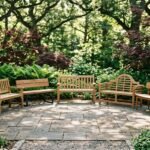
Built-in seating around the perimeter, raised off the ground, tucks more people into a small yard and never needs hauling at all.
12. Landscape Lighting

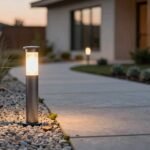
String lights across a porch or pergola run $15 to $50, and that is usually the lighting people actually sit under. Path lighting and uplighting get installed more than they get used, in my observation.
A set of six to ten path lamps costs $20 to $100, which is reasonable until you realize you are lighting a walkway you walk twice a night.
Uplighting trees or the house facade sounds sophisticated, and professionals charge $2,000 to $6,000 for a full design. The result photographs well.
What gets used is the warm pool under the string lights where someone can read a page or talk without squinting.
Two ways to play this: string lights where you actually linger, or a mix of fixtures that looks complete from the curb.
The string-light approach wins if your budget sits in that $500 to $800 yearly range and your goal is more hours outside, not a portfolio shot.
13. Patio

A patio is the first thing to get right in any backyard landscaping plan, because everything else ends up sitting on it or looking at it.
Grass stains furniture, mud tracks inside, and after rain the whole living area turns swampy.
Brick or stone gives you a clean walking surface and a defined edge that makes the space feel finished even when the planting around it is still sparse.
Patio installation runs $1,800 to $5,000, which is a wide spread because material choice drives most of the difference. Concrete is the cheapest per square foot; natural stone sits at the top.
On a tight budget, I would pour a modest concrete slab for the seating area now and extend it later with pea gravel for a path or secondary zone.
The mix reads as intentional rather than unfinished, and it opens the space visually without the cost of stone throughout.
Drainage is the part that fails silently. Slope the surface away from the house, even slightly, or water pools against the foundation and you will not notice the damage for seasons.
If you build in phases, plan the joints between concrete and gravel so the transition still sheds water; a lip that traps it turns the prettiest material combo into a maintenance headache.
14. Hammock

A hammock looks like the easiest win in backyard landscaping ideas, and sometimes it is. The stand-alone models run $100–$500 and need nothing more than level ground and a little shade.
No drilling, no worrying about whether the bark will hold a bolt.
Tree mounting saves that money but costs in hassle. Two sturdy trunks fifteen feet apart, hardware rated for load, and a routine check for rot where the strap sits.
Most people who go this route picture themselves reading on Sunday afternoon. The reality is a sagging strap they retighten twice, then the hammock lives in the garage by July.
The stand wins for anyone who actually wants to use the thing. Wheels on the base let you chase shade through the day, and breaking it down for winter storage takes two minutes.
A hammock that stays up gets used; one that fights back gets ignored.
15. Water Feature

A simple fountain tucked against a patio wall still counts as a water feature, and for most small backyards that scale is the only one that makes sense.
I started with a 15-inch glazed pot, a small submersible pump, and a stack of river stones to break the splash. The sound drowned out the neighbor’s AC unit within a day, which was exactly what I wanted.
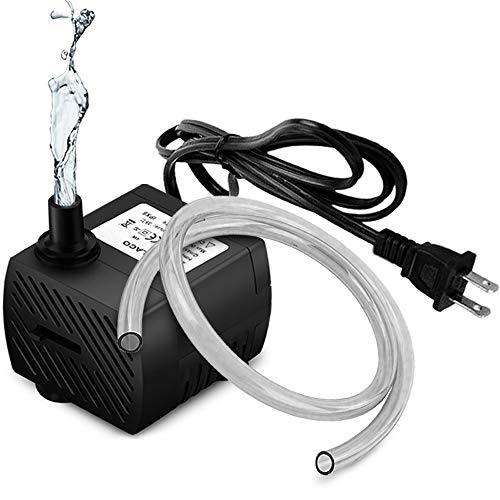
Pump maintenance is the part nobody shows in the photos. Algae film clogs the intake by midsummer, so pulling the pump every two weeks to rinse the filter sponge becomes normal.
In hard water areas, mineral scale builds on the impeller and the flow drops before you notice; vinegar soaks in fall save the replacement cost.
Mosquitoes breed in any standing water the pump doesn’t agitate. A fountain that runs continuously keeps them from laying eggs, but the basin of a pond or a birdbath goes stagnant fast.
Mosquito dunks containing Bacillus thuringiensis work, though I skip the biologicals and just keep the water moving.
Winterization depends on the material. Glazed ceramic cracks when water freezes inside, so I empty the pot and store the pump indoors before the first hard freeze.
Concrete bowls survive if they drain dry, but the safe move is lifting anything small enough to carry.
A backyard pond deep enough to avoid freezing solid needs the pump removed and a floating de-icer to keep gas exchange open for fish. Without fish, draining to the mud line and covering with a tarp handles most zones.
Cost runs wide. A simple fountain or waterfall installation typically ranges between $900 and $5,000.
My pot setup cost under $200 total, but that was assembly, not construction.
16. Gazebo

A gazebo runs about $6,000 on average, roughly double the typical pergola at $3,500. The question is whether those walls and a roof are worth the premium for your space.
An open pergola leaves you exposed to weather; a gazebo gives you walls and a roof worth using. Morning coffee was perfect; the same spot at 5 p.m. with mosquitoes rising was not.
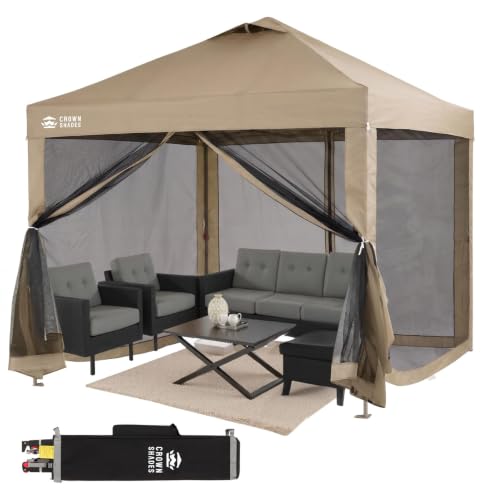
A gazebo’s screens change that equation entirely, turning the structure into something you can actually sit inside after dusk without becoming a feeding station.
The enclosed feel also frames a view rather than just shading it, which matters if your yard backs onto something worth looking at rather than your neighbor’s garage.
A gazebo stays put; a pergola lets you reimagine the space season to season. A pergola lets vines climb, curtains blow, and the space breathe with the weather.
A gazebo commits you to one mood: sheltered, finished, slightly formal. For the $2,500 gap, I would spring for the gazebo only if you genuinely plan to eat out there three nights a week or need the bug protection.
Otherwise, the pergola’s openness wins, and you can add a roll-up shade later for a fraction of the cost.
17. Rock Garden

A rock garden runs about $600–$700 installed, though the rocks themselves can come free if you ask a farmer or construction crew what they’re about to haul off.
The real cost is in the labor of placing them so they look like they landed there instead of being sentenced to the spot.
Weed suppression is the part nobody talks about honestly. A rock garden is not set-and-forget; without a proper base, dandelions and grass seed themselves in the gaps and you end up picking between stones for years.
A landscape fabric underneath helps, but sharp drainage and the right plants matter more in the long run.
Soil depth is the make-or-break for alpines and sedums. Most need only six to eight inches of lean, gritty mix; pile regular garden soil against their stems and they rot through a wet spring.
I learned that the hard way with a batch of creeping phlox that turned to mush the first rainy May.
The rocks themselves should follow what your yard already suggests. A single flat boulder looks natural where the ground rolls; the same stone dropped on a dead-level lawn looks like a monument to indecision.
Round river rock suits low, wet spots; angular, local stone belongs on a slope where something once slid.
18. Tool Shed

A standard tool shed runs $300 to $2,000, which puts it within reach for most backyard budgets.
The difference between the low end and the high end usually comes down to foundation and whether you treat the thing as storage or as workspace.
I learned the hard way that a shed sitting on bare dirt becomes a swamp inside after the first heavy season. Even a few inches of gravel or a simple timber frame base buys you years.
Most kits assume you will handle that part yourself, so the sticker price rarely includes it.
Inside, the same choice plays out. A tool shed can hold your mower, rakes, and wheelbarrow, or it can become a dump where nothing is findable.
Wall-mounted rails and a shallow shelf at elbow height turn it into a working space where you actually repair pots and clean shears. Without that, you end up hauling everything onto the lawn to find the one tool you need.
Style matters more than I expected. Sheds that read as small barns or cottage shapes, with a window and some trim, sit better in a planted yard.
A ring of evergreen shrubs or a climbing vine on one wall keeps it from looking like the place where your garden goes to die.
19. Butterfly Garden

A butterfly garden only works if you plant both host plants and nectar plants, and the mix changes hard by zone.
In the upper Midwest where I garden, common milkweed and butterfly weed feed monarch caterpillars while Joe-Pye weed and blazing star keep the adults around. Farther south, passion vine becomes the host for Gulf fritillaries.
Host plants get eaten to lace by caterpillars, and you have to accept that damage because it means the garden is working. If you cannot stand ragged leaves for a few weeks, skip this idea entirely.
Timing matters more than most people expect. Monarchs move north in waves, so milkweed that blooms by late May catches the first generation in eastern zones but misses it entirely if you are still planting in June.
Nectar sources need to run from early summer through frost, which means planning for succession rather than one big color flush.
Most years I lose a few plants to rabbits before butterflies ever find them. A cheap wire cloche for the first month fixes that without changing the budget much.
The garden does not need to be large; a 4 by 6 foot bed with the right plants outperforms a border full of generic "butterfly bush" every time, and the bush itself is increasingly restricted as an invasive in several states anyway.
20. Treehouse

A treehouse keeps kids in the yard and within earshot, which matters more than the rustic look or the reading light you wire in later. The tree itself decides whether this works.
A hardwood with a trunk diameter of at least 12 inches and no rot, splits, or insect damage can handle the load; softwoods move too much in wind and stress the hardware over time.
The bolts matter more than the lumber grade. Use galvanized or stainless steel lag bolts, not nails or screws, and drill all the way through so the tree can compartmentalize the wound without trapping moisture.
Floating brackets that leave a gap between beam and bark let the trunk keep growing, which a fixed bracket will girdle in a few seasons.
Liability sits with the homeowner in most states. Homeowners insurance often excludes treehouses from standard coverage, or limits it to structures built by licensed contractors.
A fence around the base and a railing at 36 inches high cut the risk, but a fall from even a low platform can mean broken bones, not just scrapes.
Budget anywhere from $400 for a simple platform to $15,000 for a wired, weatherproof build.
Frequently Asked Questions
What are some backyard landscaping ideas?
Fire pits, pergolas, outdoor kitchens, vegetable gardens, privacy fences, patios, water features, and rock gardens all work well for different budgets and yard sizes.
A fire pit or vegetable garden fits tight budgets, while an outdoor kitchen or in-ground pool runs into tens of thousands. Most small yards get the most use from a patio with shade and a place to sit.
How do I create a vegetable garden?
Start with seeds and compost, then add textured mulch and steel or concrete edging once the layout is working. Mulch steadies soil moisture and cuts weeding time; edging keeps grass out and gives a clean line for mowing.
Neither affects the harvest, but both keep the plot from looking like a construction site through the season.
What is the cost of installing a privacy fence?
A typical yard runs about $2,500, or $8 to $18 per linear foot depending on material and labor.
Walk the line with a tape measure and your plat before calling contractors, since permit offices often want a survey and building onto a neighbor’s land turns a manageable project into a legal problem.
How can I make my backyard more private?
Plant trees or tall hedges like arborvitae, or install a solid privacy fence. Hedges read as green space from both sides and avoid the permit headaches, but they take years to fill in.
A fence solves the problem immediately; just notify neighbors before posts go in, since the result faces both of you for the next decade.
What plants are best for a small backyard?
Choose native plants matched to your climate and sun conditions, since they need less maintenance and are more likely to survive.
In a vegetable garden, start with fast crops like lettuce and radishes to learn your warm pockets and wet spots before committing space to slower plants like tomatoes.
What is the cheapest way to landscape a backyard?
A vegetable garden started with seed packets and compost costs under $10. A portable fire pit on a gravel base runs below $100.
For hardscaping, a concrete patio slab for the seating area now, extended later with pea gravel, reads as intentional while spreading cost over time.