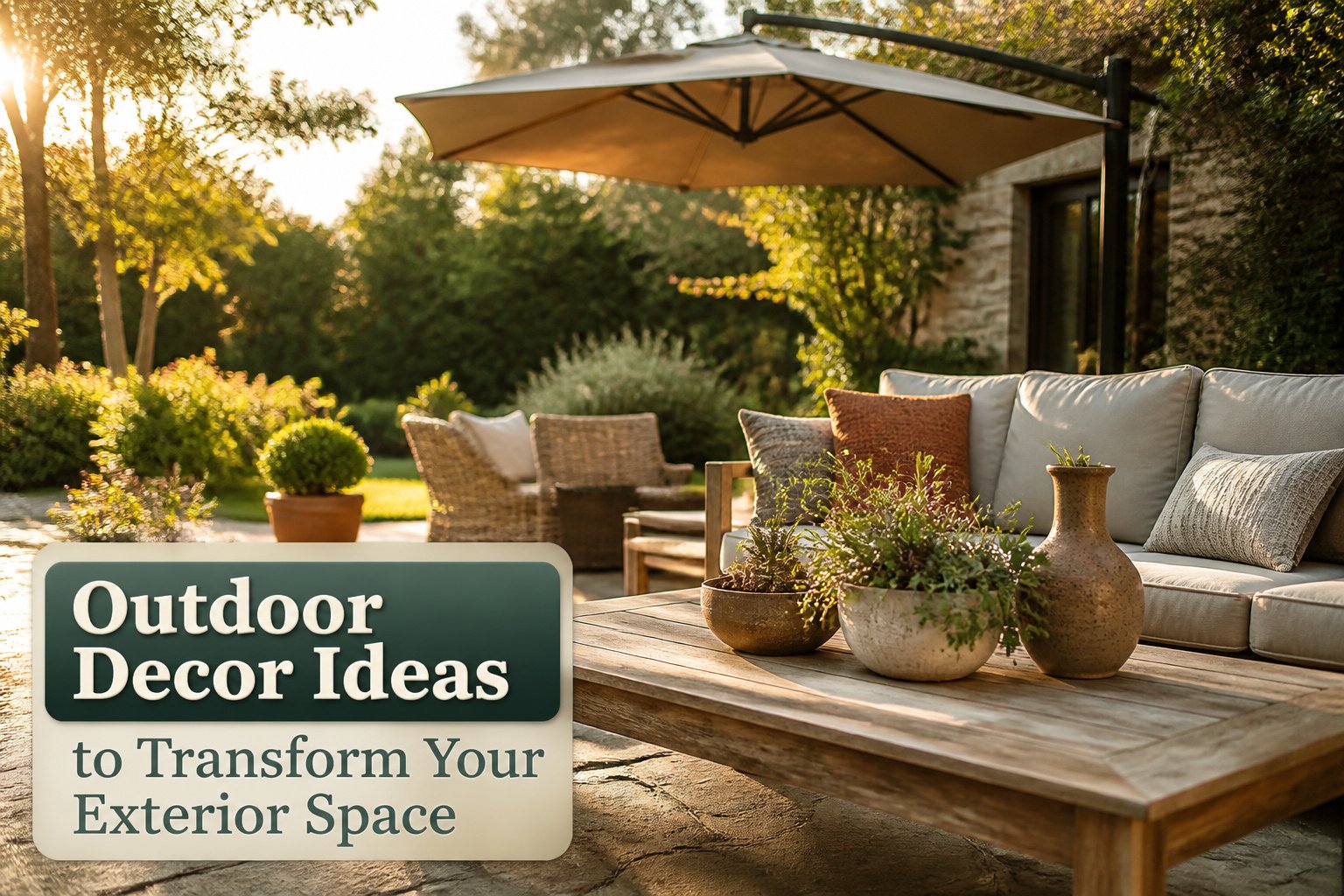
The best outdoor decor ideas share one trait: they treat exterior space as a room that happens to be open to weather, not as a lesser version of indoors. The difference is material.
Teak weathers to silver instead of rotting, solution-dyed acrylic cushions survive sun that destroys standard cotton in a week, and a cantilever umbrella frees the conversation from the pole that standard models force everyone to orbit.
What stops most people is the assumption that outdoor pieces must be ugly to last, but weather-resistant fabrics and finishes have closed that gap entirely.
1. Layer Linens for Dining

A plain cotton tablecloth on its own reads as an afterthought.
Layer linens for dining with enough contrast that the eye registers intention: a heavier canvas base, a lighter linen runner crosswise, and napkins in a third texture, maybe a slubbed weave or a loose gauze.
The stack gives the table depth without demanding a special occasion.
A single cloth looks flat under string lights, so I now run a heavier canvas base with a lighter linen runner crosswise and napkins in a third texture; the same setup works for everything from Tuesday tacos to the one barbecue I host each summer.
The weights matter more than the colors. Two crisp linens of identical finish cancel each other out; a nubby runner over a smooth ground, or vice versa, does the work.
Wash everything in the same load so the tones stay related through fading, and skip ironing the middle layer. The slight rumple is what makes it read relaxed rather than rented.
Recommended Products

ELEVATE YOUR DINING EXPERIENCE: Enhance your table with the natural charm of Pureegg tablecloth. Featuring a wrinkle-resistant, water-repellent surface, it brings effortless elegance to everyday meals and special gatherings. Not only does it beautify your space, but it also protects against spills, stains, and scratches, keeping your table pristine.

ELEVATE YOUR DINING EXPERIENCE: Enhance your table with the natural charm of Pureegg tablecloth. Featuring a wrinkle-resistant, water-repellent surface, it brings effortless elegance to everyday meals and special gatherings. Not only does it beautify your space, but it also protects against spills, stains, and scratches, keeping your table pristine.
2. Swap the Standard Umbrella

The standard patio umbrella trains you to arrange every chair around a center pole, and after the third time someone bumps it mid-conversation, you start to see the pole as a mistake you keep paying for.
A cantilever arm fixes this by hanging the shade from the side, so the covered space stays open underneath.
I watched a neighbor set one up last spring; she gained back two seats at her table and stopped apologizing every time someone stood up.
Sail shades suit tighter budgets and smaller footprints.
A triangle of UV-stable fabric stretched between three anchor points gives partial cover without any vertical structure at all, which matters on a balcony where a pole base would eat half the floor.
Angle matters most: too flat and rainwater pools until the fabric sags, too steep and you lose the shadow exactly where you wanted it.
A cluster of smaller parasols, each maybe six feet across, spreads the shade in pieces. You can move one when the sun shifts, or take one down if wind picks up while leaving the rest.
A larger canopy means more ground to manage, and the cheap ones fade to gray by August if you leave them out.
I would rather buy one decent cantilever every five years than replace three bargain parasols each season, but a rental patio makes the parasols the smarter move since you drill nothing into someone else’s wall.
Recommended Products

ACACIA WOOD: Made with acacia wood that brings a sleek and exotic look to your space, this durable hardwood naturally withstands outdoor elements and will not darken over time. Acacia wood is perfect as a solid, heavy frame that resists wear and tear.

Perfect Size for Most Benchs: Package contains 1 piece patio cushion for outdoor furniture measures 48 x 18 inches with a 3-inch thickness, providing a comfortable fit for a variety of seating options such as garden benches, front porch swings,outdoor picnic bench and patio furniture. Make sure to measure your furniture beforehand to ensure the perfect fit.

【Multi-Scenario Use】The outdoor cushions set for loveseat includes 1 seat cushion (46"L x 26"W x 4"H) and 2 backrest pillows (24"L x 19"W x 4"H). The outdoor chair cushions with various color options add modern elegance to your space and enhance comfort and enjoyment, fitting perfectly on the bench, swing, loveseat, sofa, and wicker furniture
3. Add a Sculptural Accent

A single three-dimensional piece, ceramic or metal or weathered wood, gives an outdoor room the same focal point a fireplace gives indoors. The difference is that outdoor seating moves around.
A wall-mounted painting fails here; the piece needs to read from multiple angles, back and sides included.
I learned this the hard way with a flat basalt fountain that looked stunning from the patio door and like a dark slab from the Adirondack chairs.
Replaced it with a twisted ceramic vessel, roughly hip-height, glazed in a color that shifts from rust to teal depending on the light. Now guests notice it from the grill, from the fire pit, from where they pull weeds.
The piece should sit where paths cross, not against a wall. That is the spot people circle back to, and a sculpture rewards the circling.
Wind matters more than you’d think: a hollow form whistles, a tall narrow piece needs a wider base than you’d guess.
My ceramic vessel went through one March storm before I bedded the pedestal six inches deeper and packed the base with river stone. It has not moved since.
Recommended Products
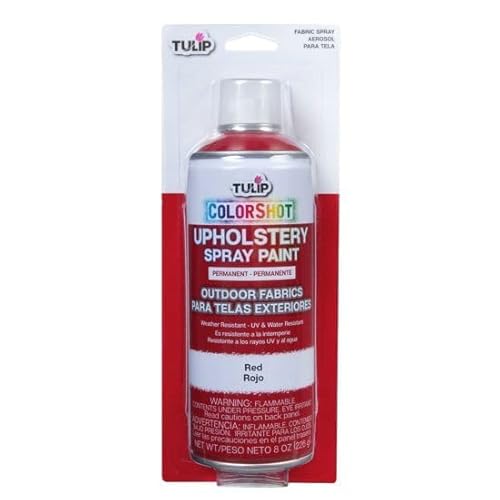
RED OUTDOOR UPHOLSTERY FABRIC SPRAY PAINT — Tulip ColorShot delivers rich, deeply pigmented red color that transforms faded patio furniture, outdoor cushions, and upholstered accents with beautiful, even coverage that looks like it was always meant to be that color.

Made from indoor ~ outdoor, Sunbrella Solution Dyed Acrylic Weather Resistant Fabric

Winter Warm Socks: These thermal socks are made of 43% acrylic fiber, 42% cotton, 10% polyester and 5% spandex. The acrylic fiber material is good for keeping warm function, and the cotton material also features moisture-wicking abilities.
4. Treat Outdoor Seating Like Indoor Furniture

The same rules that keep a living room from feeling like a furniture showroom work on a patio. A side table should sit within arm’s reach of every seat, not three strides away where it becomes a plant stand.
A lamp at sitting height, not overhead string lights alone, lets you read after sunset without holding a book at your chest.
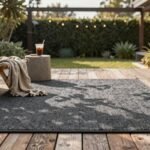
A rug underfoot does the heavy work of defining where the conversation happens, the same way it would in a den.
This means buying pieces you would not be embarrassed to carry through the front door. The resin wicker set that looked fine on the big-box website will read like a motel pool deck once it sits beside your actual sofa.
Weather-resistant materials have gotten good enough that you no longer need to accept ugliness as the price of durability. Fade-resistant textiles, waterproof blankets, and outdoor rugs that feel like their indoor cousins are widely available now.
If the cushion fabric would make you wince on a dining chair, it will not improve in fresh air.
Designers who work on high-end outdoor rooms keep the color palette tied to what flows just inside the nearest door. The continuity matters more than matching every tone exactly.
What reads as intentional is simply that the outdoor pieces look like they were chosen by the same person who chose the couch.
Recommended Products

10FT OFFSET PATIO UMBRELLA: Designed to keep you cool and comfortable in your outdoor living space, with more space underneath than traditional patio umbrellas

10FT OFFSET PATIO UMBRELLA: Designed to keep you cool and comfortable in your outdoor living space, with more space underneath than traditional patio umbrellas

FITS 9FT-12FT PATIO UMBRELLAS WITH ALL-SEASON PROTECTION: Designed to fit 9ft to 12ft market umbrellas, this umbrella cover protects your outdoor umbrella from weather exposure, dust and fading. Please measure your umbrella size before purchasing. It may fit 7ft-8ft umbrellas but may appear loose. Not designed for cantilever or offset umbrellas.
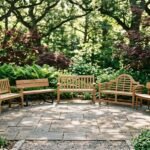
5. Build Seating Around Nature

I used to line chairs up to face the back door like they were waiting for a speech, which is exactly what not to do. Nobody sat in them.
The next season I turned the same iron settees ninety degrees so they looked toward the old maple at the property line, and suddenly my guests stayed outside until the mosquitoes forced them in.
The tree became the room’s artwork; the seating only framed it.
A custom circular bench wrapping a specimen tree turns a pass-through courtyard into a destination. The principle scales down.
Two folding chairs and a stump table on a balcony achieve the same effect if they face a potted Japanese maple or even a dense hedge rather than the sliding glass door.
The plant does the visual work; your furniture borrows the view.
White cushions against stone or greenery read as deliberately as any living room arrangement. The back of a house is rarely the most interesting wall you own.
Let the existing landscape be the feature wall instead.
Recommended Products
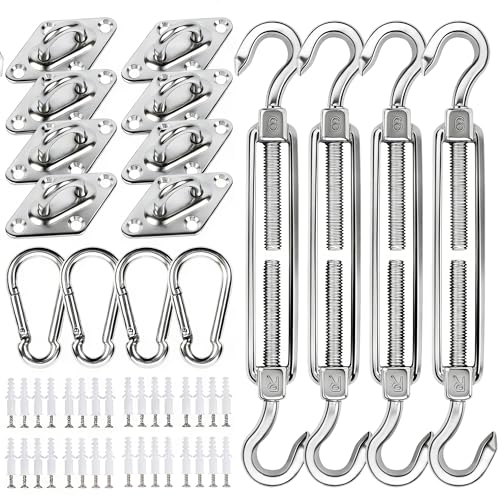
[One Kit for Any Design]: Conquer any shade sail project—rectangle, triangle, hexagon, or custom shapes—with one comprehensive 80-piece kit. Ditch the confusion of piecing together multiple sets. Plus, when installing common square or triangle sails, the extra hardware acts as your instant backup plan, saving you time and hassle if a replacement is ever needed.

Measurement is taken from corner to corner, edges are made slightly curved based on precisely calculated radian, prevent shade sail from sagging in the middle for best appearance and performance.

HIGH QUALITY MATERIAL - Our right triangle sun shade sail is made of 180GSM high-density polyethylene, finished with the strong stitching seam and double webbing. It is durable and fade-resistant, but not waterproof.
6. Set Up a Full Bar Outside

A rolling cart with locking wheels gives you the most flexibility on a small patio, since you can roll it against the wall when the party ends and pull it center-stage when guests arrive.
I built mine from a secondhand dresser, sanding the drawers smooth and brushing on three coats of marine-grade sealant so the wood survives spilled drinks and summer storms.
The top drawer holds cocktail glasses nested in a towel; the bottom one stores a plastic bin that I fill with ice right before people show up.
Keeping the drinks outside means nobody is squeezing past you in the kitchen to refill a gin and tonic while you are trying to pull a hot dish from the oven.
A built-in ledge along a fence or railing works if you own the place and want something permanent, but renters should stick with furniture they can take with them when the lease ends.
Recommended Products

High Quality & Durable : Made of 100% spun polyester, sturdy sewing, soft and durable, protecting your tables and furniture from scratches, stains and sun rays

Elegant Cutout Design: Elevate your dining with this tablecloth featuring an exquisite cutout design.The cutout design gives it such a pretty look without being too fussy and adds timeless charm and sophistication, making every meal special
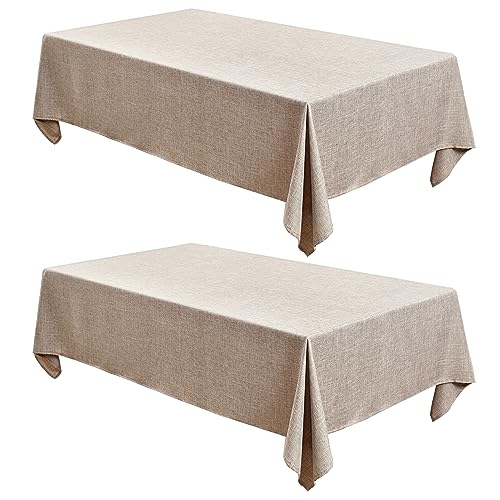
Each package contains 2 pieces of faux linen tablecloths. Lower cost per tablecloth, more economical and practical.
7. Create a Garden Vignette

A corner that does nothing is a corner that drags the whole yard down.
I learned this the hard way after leaving a shaded patch near my fence empty for two seasons; weeds moved in, and every glance out the window landed on neglect.
The fix cost less than a single patio chair and took an afternoon.
Group one chair, a small table, and one plant that reads from ten feet away. A Japanese maple in a glazed pot, a tall grass, even a hydrangea heavy with bloom.
The eye travels to that mass of color or texture before it notices the chair, and the chair invites the body to follow. I use a folding bistro set I store in winter; the plant stays, roots and all.
The table holds coffee, a book, nothing at all. It gives the grouping a reason to exist beyond sitting.
Visitors round the corner of the house and find a destination they did not expect, a pause in the tour. That small surprise is worth more than another row of containers along the rail.
Scale matters. A 24-inch table between a full-size chair and a three-gallon shrub balances; swap in a tiny stool and the chair looms like furniture for a giant.
Test the arrangement from the doorway you use most. If it does not read as intentional from there, move the plant or swap it for something taller until it does.
Recommended Products

EFFECTIVELY REMOVES MOLD & MILDEW STAINS – Designed to eliminate tough outdoor mold, mildew stains, dirt buildup and organic staining from patio cushions and outdoor furniture fabrics.

Perfect Size for Most Benchs: Package contains 1 piece patio cushion for outdoor furniture measures 59 x 18 inches with a 3-inch thickness, providing a comfortable fit for a variety of seating options such as garden benches, front porch swings,outdoor picnic bench and patio furniture. Make sure to measure your furniture beforehand to ensure the perfect fit.

MID-CENTURY MODERN: Our club chair offers a mid-century modern look to your patio space with its clean lines and understated look; Featuring a traditional slatted design and wooden frames, this chair upgrades this classic style with its smooth texture and fresh cushion colors;
8. Use Dividers and Curtains for Privacy

Fabric panels hung from a pergola or between posts give you a wall where you need one, and you can draw them back when the wind picks up.
I learned that last part the hard way: curtains need weights or tie-backs, otherwise a gust turns your quiet corner into a sailboat deck.
For something more permanent, a lattice panel with a climbing vine blocks sightlines without blocking breeze, which matters more than you’d think on a still July evening when the patio traps heat.
Planted screens work the same way, though they take a season to fill in. The point isn’t to build a fortress.
Selective privacy, a screen between you and the neighbor’s window, changes how the space feels without cutting it off entirely.
Recommended Products

Decorative Sunbrella Fabric: Our cushion fabric is 100% woven acrylic, has a subtle texture, and is designed for durability. It is resistant to stains, UV rays, water, pilling, and abrasion. Cushions and pillows are designed for both outdoor and indoor comfort

Features: Lumbar Pillow Cover with tassels; Sold as 1 piece; Dimension: 12"x20" (30cm x 50cm); Same pattern on front and back; Invisible YKK zipper on bottom; 100% Solution-dyed Acrylic

【PREMIUM BLEND + TERRY CUSHIONED SOLE - DURABLE COMFORT】 50% Merino Wool + 30% Nylon + 17% Acrylic + 3% Lycra: Merino delivers cloud-like softness (no itch!) + natural moisture control; Nylon + Acrylic boost pill resistance (no fuzz balls!) and reinforce toes/heels; Terry cloth padded sole adds targeted cushioning to prevent blisters from long walks/runs—perfect for high-wear areas (solves US shoppers’ top complaints: discomfort, wear, and pilling!).
9. Embrace the Versatility of Plants

A $6.99 marigold from the garden center gives you eight weeks of color, then dies. A $12 hellebore gives you February blooms for the next decade.
The math is obvious, but the look isn’t. A bed of nothing but young perennials leaves you staring at mulch for two seasons, which is why I still tuck annuals between them every spring.
The zinnias or cosmos fill the gaps now; the hellebores and Japanese anemones fill them later, and by year three the annuals shrink to a few accent pots.
Containers are what let you move the whole show around.
A heavy glazed pot with a dwarf hydrangea becomes the backdrop for a grouping of chairs in June, then shifts to the stairs as a focal point in September when the blooms turn parchment.
Terra cotta is lighter and cheaper, but it dries out fast; I learned that the hard way with a window box of thyme that crisped by mid-July.
Now I line anything unglazed with plastic nursery pots slipped inside, or I stick to plants that prefer dry feet, like lavender and sedums.
The real versatility is in layering height.
A trailing sweet potato vine spilling from a raised pot, a mid-level grass, and a vertical salvia behind it gives you three textures in one square foot, and you can swap any layer out when it fades.
Annuals for instant gratification, perennials for the long game, pots to rearrange when the light shifts: that combination covers most of what outdoor decor needs to do, and the plants do the work while you sit with coffee and watch.
Recommended Products

360-DEGREE ROTATION & EASY GLIDING: Step on the foot-release latch and turn the sturdy powder-coated aluminum pole to your desired position

10FT SOLAR-POWERED UMBRELLA: Designed with 24 built-in LED lights powered by solar panels on top of its pole, this offset umbrella saves energy while maintaining perfect lighting in the day and night; covers more space than traditional patio umbrellas
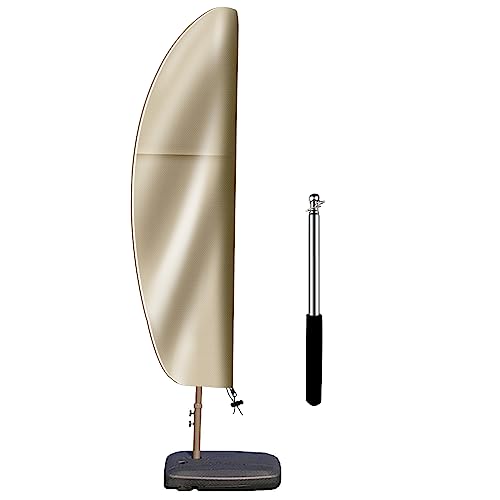
【WHAT SIZE CANTILEVER UMBRELLA DOES THIS COVER FIT?】 This cover is designed for large cantilever patio umbrellas and measures 103.9" high, 31.4" wide at the top, 55" in the middle and 35.4" at the bottom. It fits round offset umbrellas up to 14ft or square offset umbrellas up to 12ft while providing all-season protection from weather exposure, dust and fading. Please measure your umbrella before purchasing. Not designed for double-sided umbrellas.
10. Consider the Elements When Choosing Materials

Sun and rain will undo a cheap planter or a softwood bench in a single season if you let them.
I learned that the hard way with a pine coffee table that cupped and split after one wet spring, so now I check the material before I check the price.
Teak, iron, and natural stone are the three that actually survive out there. Teak carries its own oil, which keeps water from soaking in and warping the grain; it silvers to a gray patina rather than rotting.
Iron’s weight keeps it from lifting in wind, and the rust that forms is surface-only, a protective skin rather than a failure.
Stone has thermal mass: it absorbs heat through the day and releases it slowly, so it does not crack through freeze-thaw cycles the way thinner materials do.
"As I source pieces, I focus on durability and classic appeal, choosing materials like iron and natural stone that can weather the elements and become even more beautiful over time."
What this means for your $500–800 budget: buy one iron or stone piece that lasts, rather than replacing a full set of resin every other year.
Recommended Products

High-Quality Construction: Made with 185 gsm high-density polyethylene (HDPE) shade fabric; features well-stitched seams and sturdy stainless steel D-rings in each corner for lasting durability

【Premium Mesh Fabric】This shade sail is crafted from 200 GSM HDPE. The UV-stabilized material resists fading and tearing, ensuring the fabric remains durable under intense sun exposure.

【About Installation】Please refer to the diagrams before purchasing. To ensure you buy the correct shade sail, you need to leave 0.5-1 ft of space for accessories to avoid buying an oversized shade
11. Use Lighting to Enhance Atmosphere

A single overhead fixture on the patio turns the whole evening into a parking lot. I learned that the hard way after installing a bright LED floodlight above my back door.
The yard was visible, but the night feeling was gone, and nobody wanted to sit out there.
Layered lighting fixes this. Overhead lights should be dim enough to walk safely without washing out the stars.
Task lighting comes next: a small directed beam where you actually need to see, like a grill surface or a page of a book. The rest is ambient, and this is where the mood lives.
String lights in warm color temperatures, around 2700K, keep skin tones flattering and the space feeling like evening rather than a shift change.
Solar options have gotten reliable enough that installing them means no trenching, no outlet hunting, no electrician bill. Stake path lights where they get six hours of sun, and the battery usually lasts the night.
The mistake is still treating one bright fixture as enough. Three dim sources beat one strong one every time; the shadows soften, the space feels larger, and people stay outside longer without knowing exactly why.
12. Add Cozy Elements Like Textiles

Weather-resistant cushions and throws soften the edges of metal, wood, or concrete seating in a way that plants alone never manage.
The fabric matters more than the pattern: solution-dyed acrylics and olefin hold color through seasons of sun and occasional rain, while standard cotton or linen left outside turns musty within a week.
I learned that storage rhythm the hard way, after a set of supposedly "outdoor" pillows developed mildew in a single humid July.
Bring them in or cover them when rain is forecast, and the space keeps that layered, lived-in quality instead of looking like a furniture showroom that happens to be outside.
An outdoor rug does similar work underfoot, anchoring a seating area and catching the grit that would otherwise scratch decking.
The cheap ones fray at the edges after one season; spending enough to get a tight, flat weave pays back in longevity.
13. Create Zones Within Large Outdoor Spaces

A big yard can feel emptier than a small one if everything spreads out without a reason to stop anywhere.
I learned this the hard way after moving to a house with a lawn that suddenly made my old patio furniture look like toys scattered across a field.
The fix is giving each area a job and a visual edge, not a wall.
Furniture grouping does most of the work. Pulling four chairs around a fire pit with their backs almost touching tells everyone this patch is for sitting, not for walking through.
A flat-weave rug under the dining table does the same from the ground up, and it costs a lot less than paving a whole patio.
Low plantings work too: a drift of ornamental grasses knee-high or a loose hedge of lavender splits space without blocking sightlines. The divider is psychological.
You still see the whole yard, but your feet know where to slow down.
Leave a path between zones, even if it is just mowed grass a few feet wider than the rest. Without that breathing room, the areas bleed together and you are back to one big nowhere.
14. Choose a Cohesive Color Palette

Two or three colors, repeated across every surface you touch, do more to quiet a small patio than any single piece of furniture ever will.
I learned this after a season of collecting whatever looked cheerful: a red metal stool here, a turquoise planter there, a striped cushion that seemed fun in the store. The result read like a yard sale, not a room.
Neutrals and earthy tones are the safer foundation for outdoor spaces, and they age better in sun and rain.
Whites and creams hold up longest against UV before they start to look tired, which matters when your annual budget for the whole space sits around $500–800.
Let the bold accents come from flowers that turn over with the seasons, or from one painted piece that you can swap out when the mood shifts.
Hardscape colors that compete with each other, or with your house, tend to feel stuck long after you’ve tired of them.
A stripe, in pillows or a rug, adds pattern without adding another hue to manage. Gingham or a small block print works the same way if stripes feel too nautical for your setting.
Keep the underlying palette narrow enough that a new geranium in a terracotta pot reads as an event, not just more noise.
15. Incorporate Stylish Storage Solutions

Benches with hidden compartments solve two problems at once: they give you a place to sit and a place to hide the clutter that otherwise colonizes every flat surface.
I learned this the hard way after leaving a stack of throw pillows on my patio through a surprise thunderstorm. The cushions survived, but the mildew smell never quite washed out.
A lidded ottoman or storage bench would have cost about the same as the replacement cushions and saved me the trouble.
Choose pieces that read as furniture first, containers second.
A slatted teak bench with a gas-strut lid looks intentional; a plastic deck box with a cushion thrown on top looks like a shed that got lost on its way to the backyard.
Outdoor storage should protect what it holds while still reading as decor. Shelving works the same way.
Open metal racks or cedar cubbies can display potted herbs, lanterns, and a stack of folded blankets while keeping everything accessible. The display is the storage.
Frequently Asked Questions
What are some outdoor decor ideas?
Layer linens with contrasting textures for dining, swap standard umbrellas for cantilever arms or sail shades, and add a sculptural accent where paths cross.
Other solid moves include treating outdoor seating like indoor furniture, building seating around a tree or view instead of facing the house, and setting up a full bar on a rolling cart so guests stay out of the kitchen.
How can I make my outdoor space more inviting?
Treat outdoor seating like indoor furniture: side tables within arm’s reach, a lamp at sitting height, and a rug defining the conversation area.
Add weather-resistant cushions and throws in solution-dyed acrylics, and layer lighting so overhead fixtures stay dim while string lights around 2700K provide the warmth. The continuity with your indoor palette matters more than matching every tone exactly.
What materials are best for outdoor furniture?
Teak, iron, and natural stone are the three that actually survive.
Teak carries its own oil and silvers to gray rather than rotting; iron’s weight keeps it stable and surface rust protects rather than destroys; stone absorbs heat slowly and releases it, avoiding freeze-thaw cracks.
One iron or stone piece that lasts beats replacing a full resin set every other year on a $500–800 budget.
How do I create zones in my outdoor space?
Pull four chairs around a fire pit with their backs almost touching so the patch reads as sitting space, not a walkway.
A flat-weave rug under the dining table works from below, and low plantings like knee-high grasses or a loose lavender hedge split space without blocking sightlines.
Leave a path between zones, even just wider mowed grass, so the areas do not bleed back into one big nowhere.
What color palette should I use for outdoor decor?
Stick to two or three colors repeated across every surface. Neutrals and earthy tones age better in sun and rain; whites and creams hold up longest against UV before looking tired on a tight budget.
Let flowers provide bold accents that turn over with the seasons, and add pattern through stripes or small prints without adding another hue to manage.
What are some good ideas for styling an outdoor area?
Incorporate stylish storage that reads as furniture first: benches with hidden compartments or a slatted teak piece with a gas-strut lid. Display storage works too, like open metal racks or cedar cubbies showing potted herbs, lanterns, and folded blankets.
The piece should protect what it holds while still looking intentional, not like a shed that wandered into the yard.
What are some cool things to put on my patio?
A twisted ceramic vessel or weathered wood sculpture gives a focal point that reads from multiple angles, back and sides included. Position it where paths cross, not against a wall, so people circle back to it.
A cluster of smaller parasols spreads shade in pieces you can move as the sun shifts, or a cantilever arm frees the center of the table from the standard umbrella pole.
How can I decorate my house outside?
Build seating around nature by turning chairs to face a specimen tree, hedge, or potted Japanese maple rather than the back door. The plant becomes the room’s artwork; the furniture only frames it.
White cushions against stone or greenery read as deliberately as any living room arrangement, and the existing landscape does the visual work your house wall rarely can.