I evaluate galvanized raised garden beds by three mechanisms: steel thickness (measured in millimeters, or mm), open-bottom drainage design, and reinforced corner bracing. Purchase criteria center on 1.0 mm-plus steel for dent resistance, tool-free assembly, and height options matching root depth: 12 inches for lettuce, 24 inches for tomatoes.
These five selections suit gardeners wanting 10-15 year lifespans without wood rot, though sharp edges demand gloves during setup. My favorite is the Tegarbed 6x3x2ft for its deep root capacity. One model fails on price.
Land Guard Galvanized Raised Garden Bed Kit
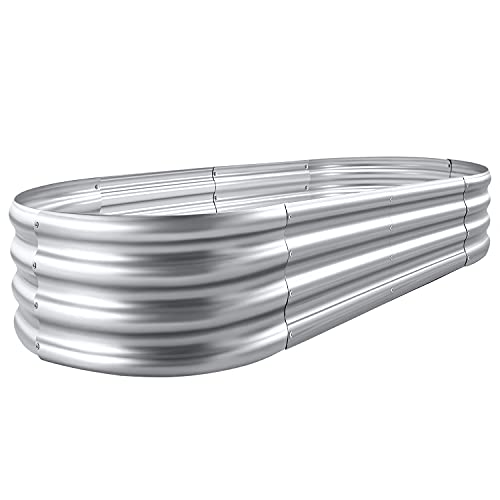
Each raised metal garden bed size: 4×2×1ft ,7.14Cu Upgraded quality and structure: raised garden beds outdoor are made of Q195 galvanized metal sheet, double-layer...
The Land Guard Galvanized Raised Garden Bed Kit uses double-layer anti-corrosion galvanizing (a protective zinc coating that prevents rust) on Q195 galvanized metal sheet. This means the bed resists weather damage for multiple growing seasons.
The oval structure with open base prevents water accumulation, reduces decay, and protects root systems while enhancing nutrient uptake. Assembly takes five minutes. The 0.78 mm average thickness (1.56 mm at thickest points) delivers rigidity under pressure.
I recommend this bed for gardeners prioritizing speed and longevity. The 4×2×1 ft dimensions yield 7.14 cubic feet of growing space. One caveat: the silver finish shows dirt faster than darker alternatives.
My favorite feature is the improved joint interface. It eliminates looseness. This bed suits vegetable growers needing reliable, reusable infrastructure without aesthetic complexity.
Best For: Vegetable growers who prioritize quick assembly, long-term durability, and reliable root protection without needing decorative aesthetics.
Pros:
- Double-layer anti-corrosion galvanizing and thick metal construction (up to 1.56 mm) ensure multiple seasons of rust-free, deformation-resistant use
- Open base design prevents water accumulation, reduces decay, and enhances nutrient uptake for healthier root systems
- Five-minute assembly with improved joint interface eliminates looseness and maintains structural stability under pressure
Cons:
- Silver finish shows dirt and wear more visibly than darker color alternatives
- 4×2×1 ft dimensions may limit growing space for gardeners with extensive planting needs
- Oval structure and utilitarian design lack aesthetic complexity for ornamental garden settings
Recommended Products

Durable and Long-lasting: BIRDSINYARD metal raised garden bed is made from durable, corrugated thicker galvanized steel, with reinforced cross bars have been added to help the metal panel maintain its shape, resisting deformation even under soil pressure over time. The galvanized steel planters are coated with an anti-corrosion coating, make sure withstand kinds of conditions, providing a stable and reliable foundation for all your outdoor planting needs.

[1.84ft Deep & Back-Friendly Design] Gardening should be joyful, not painful. Our metal raised garden beds are designed to be 1.84ft deep significantly reduces bending and stooping, easing strain on your back and spine. This ergonomic height makes planting, weeding, and harvesting comfortable for everyone, from seasoned gardeners to those with mobility concerns, while providing ample depth for roots to thrive

Durable and Long-lasting: BIRDSINYARD metal raised garden bed is made from durable, corrugated thicker galvanized steel, with reinforced cross bars have been added to help the metal panel maintain its shape, resisting deformation even under soil pressure over time. The galvanized steel planters are coated with an anti-corrosion coating, make sure withstand kinds of conditions, providing a stable and reliable foundation for all your outdoor planting needs.
Meberam 2-Pack Galvanized Raised Garden Beds (6x3x1FT)

Size: Accessories for 2 complete garden beds in one box!!! 72"(L) x 36"(W) x 12"(H), growing area of this garden bed perfect for an array of vegetables, herbs, and flowers in...
I recommend the Meberam 2-Pack if you want two complete beds in one purchase. Each measures 72 by 36 by 12 inches, giving you solid growing area for vegetables, herbs, and flowers.
The thick galvanized steel resists rust and lasts years. Three horizontal connecting rods reinforce the frame against soil pressure.
I favor the open-bottom design. It lets water drain naturally and keeps roots healthy.
Assembly requires just thirty screws. The reduced count means faster setup without tools.
The non-toxic coating protects plants. It won’t leach chemicals into your soil.
Buy this if you need multiple beds and value straightforward construction. Skip it if you want deeper than twelve inches.
Best For: Budget-conscious gardeners who need two reliable metal raised beds with straightforward assembly and want to grow vegetables, herbs, and flowers without dealing with complex setup or toxic materials.
Pros:
- Two complete beds in one purchase with generous 72x36x12 inch growing area per bed
- Tool-free assembly with only 30 screws for quick, easy setup
- Open-bottom design enables natural drainage and promotes healthy root conditions
Cons:
- 12-inch depth may be insufficient for plants requiring deeper soil
- Galvanized steel construction may heat up in direct sun, potentially affecting soil temperature
- Horizontal connecting rods add stability but may complicate soil filling and root access compared to seamless designs
Recommended Products
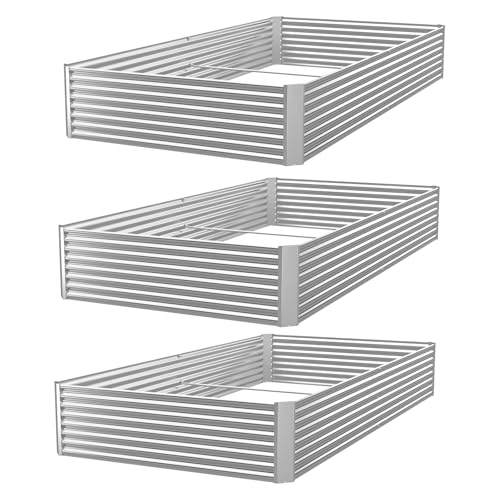
【Spacious and Versatile Growing Space】The CATMANOR raised garden beds outdoor offer plenty of room for growing vegetables, herbs, and flowers. The raised bed design helps make better use of planting space and works well for medium to deep-rooted plants like broccoli, beans, and similar crops.

SIZE: The plant bed measure is 23.6"L x 23.6"W x 11.8"H. This round planter box provide ample growing space to raise vegetables, flowers and plants.

5x2x1 FT Oval Raised Garden Bed: Oval galvanized steel raised garden bed with a 12-inch internal growing depth, designed as an outdoor raised garden bed for vegetables and herbs in home gardens
Zizin Galvanized Raised Garden Bed 2-Pack (6x3x1FT)

Size: 6x3x1FT; Quantity: 2Pack, accessories for both products packed in one box. The large planter box offers ample soil capacity to provide an ideal growing space for a...
Why choose galvanized steel for your 2026 garden? I prefer it for rust resistance and longevity. The Zizin 2-Pack delivers exactly that.
These oval planters measure 6x3x1 feet each. The multi-corrugated structure strengthens the walls against soil pressure.
Support rods brace the long sides. This prevents bowing when full.
The open bottom design balances moisture retention with drainage. Roots breathe better. Crops grow healthier.
Assembly proves straightforward. Hardware and instructions come included. Both planters ship in one box.
I recommend these for gardeners wanting two matching beds without complexity. The galvanized coating resists corrosion. The capacity handles diverse vegetables.
My favorite feature: the stability system. It works.
One caveat—check your soil depth needs. One foot suits most crops. Deep-rooted plants may need more.
For reliable, no-frills raised beds, I choose Zizin.
Best For: Gardeners seeking durable, easy-to-assemble raised beds for growing diverse vegetables with reliable rust resistance and structural stability.
Pros:
- Galvanized anti-corrosion coating ensures long-lasting rust resistance and durability
- Multi-corrugated structure with support rods prevents bowing under soil pressure
- Open bottom design promotes healthy root respiration through balanced moisture retention and drainage
Cons:
- 1-foot depth may be insufficient for deep-rooted plants
- Both planters packed in one box could complicate shipping or handling
- Oval shape may limit layout flexibility compared to rectangular alternatives
Recommended Products

Size: 60×29×11 in, 68 gallons of soil required.
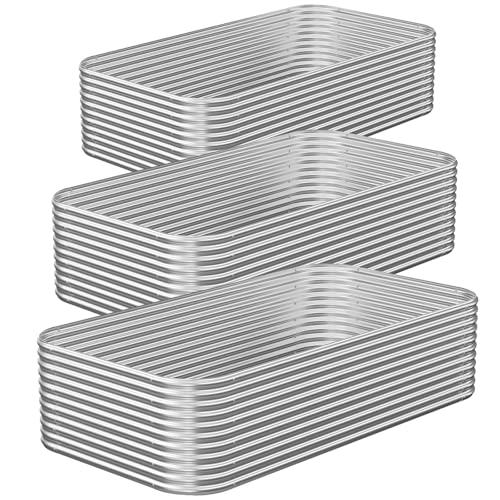
【Spacious and Versatile Design】: The CATMANOR raised garden beds outdoor provide ample growing space for a variety of vegetables, herbs, and flowers. The raised bed design maximizes planting capacity, making it an ideal solution for gardening enthusiasts who want to grow medium to deep-rooted plants such as broccoli, beans, and more.

Raised Garden Bed - Add a new level of convenience to your gardening experience with the Galvanized Raised Garden Bed. Enjoy expanded yield and a more assembled garden layout with this garden accessory, each sized at 120 cm X 60 cm x 30 cm.
Tegarbed 6x3x2ft Raised Garden Bed, Deep Root Planter Box, Silver,1 Pack
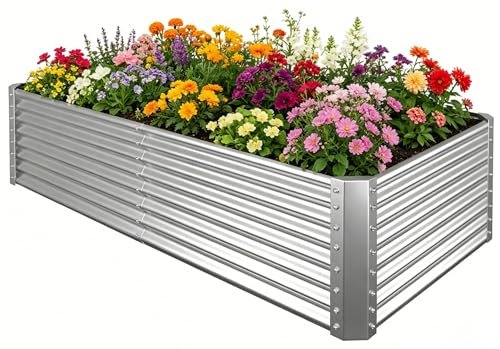
Grow Deep-Root Veggies Effortlessly: The 2-foot depth provides ample soil capacity, creating ideal growing conditions for broccoli, beans, and tomatoes. This elevated design...
What makes a garden bed truly worth your investment? Depth determines root health.
The Tegarbed 6x3x2ft Raised Garden Bed delivers 24 inches of soil capacity, letting tomatoes and broccoli drive roots downward without constraint. The open-bottom design—meaning no base panel—connects your soil to native earth below, improving drainage and preventing waterlogging that rots vegetables.
I value the 1mm galvanized steel construction, thickened specifically to resist corrosion and soil pressure. A reinforced center brace prevents panel warping under heavy loads. Smooth edges and rust-resistant hardware make solo assembly safe, even with children nearby.
The silver finish looks modern on patios. This bed suits gardeners prioritizing deep-root crops over shallow herbs. My favorite feature: structural integrity that outlasts seasons.
Best For: Gardeners growing deep-root vegetables like tomatoes and broccoli who want a durable, ergonomic raised bed with modern aesthetics for patios or yards.
Pros:
- 24-inch depth and open-bottom design promote healthy root development and superior drainage
- 1mm galvanized steel with reinforced center brace resists corrosion, warping, and soil pressure
- Smooth edges and rust-resistant hardware enable safe solo or family-friendly assembly
Cons:
- Silver metal finish may show dirt or weathering over time
- 2-foot depth is excessive for shallow-root crops like herbs or lettuce
- Permanent open-bottom design prevents relocation without complete disassembly
Recommended Products

Durable Construction: The 4FT diameter round galvanized garden raised bed is made with strong galvanized steel material with crimped edge and corner,no sharpe, ensuring safely using it and long-lasting durability and resistance to rust
Each raised metal garden bed size: 4×2×1ft ,7.14Cu

Durable Construction: This 6FT diameter round garden raised bed painted is made with strong galvanized steel material with crimped edge and corner,no sharpe, ensuring safely using it and long-lasting durability and resistance to rust
Tegarbed Galvanized Raised Garden Bed 4x2x1ft (2-Pack)

4X2X1FT GROWING SPACE: This oval raised garden bed measures 4 x 2 x 1 ft, providing 7+ cu. ft. of organized growing space for vegetables, herbs, flowers, strawberries and...
The Tegarbed 4x2x1ft two-pack suits gardeners who want permanent, low-maintenance beds without replacement hassles. Each bed uses 1mm galvanized steel—thicker than standard 0.3mm competitors—which prevents bowing under soil pressure.
The open-bottom design enables natural drainage and lets roots access native soil nutrients below.
I recommend these for compact spaces. The 4x2ft footprint fits small yards while the 1ft depth supports tomatoes, peppers, and herbs.
You won’t need liners; place them directly on lawn or patio. Assembly takes minimal time with included instructions.
My favorite feature: the narrow width lets you tend plants from either side without stepping into the bed. This protects soil structure.
The silver finish resists rust and blends modern aesthetics with function.
Buy this if you want two matching beds for rotational planting. Avoid if you need deeper root space for potatoes. For permanent, no-fuss gardening, this pair delivers exceptional durability at practical dimensions.
Best For: Gardeners seeking permanent, low-maintenance raised beds for compact spaces who want durable, rust-resistant planters that enable side-access maintenance without soil compaction.
Pros:
- Thicker 1mm galvanized steel construction prevents bowing under soil pressure, outlasting standard 0.3mm alternatives
- Open-bottom design eliminates need for liners while providing natural drainage and root access to native soil nutrients
- Narrow 4x2ft footprint with 1ft depth enables maintenance from either side without stepping into the bed
Cons:
- 1ft depth insufficient for deep-rooted crops like potatoes that require more vertical growing space
- Silver galvanized finish offers limited color options for gardeners seeking aesthetic variety
- Two-pack configuration may not suit those needing single beds or larger quantities for extensive garden layouts
Recommended Products
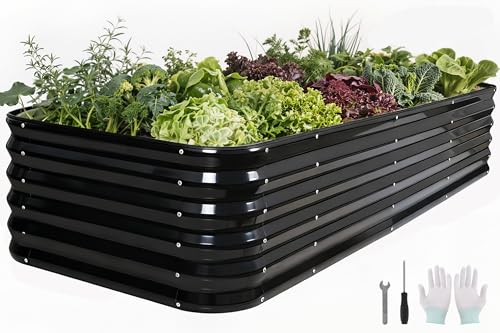
Upgrade Quality & Structure: This garden beds is made of 0.5mm thick galvanised steel material with rust-resistant coating, which can effectively resist wet weather and sunlight, ensuring that it will not be easily deformed or rusted after long-term use

[Heavy-Duty Corner Brackets for Wood] Designed for strength and stability, these metal corner brackets are ideal for wood connections in raised garden beds, garden bed corners, shelves, and DIY projects. Reinforced structure helps keep your garden bed square and secure season after season.

🌴 DEEP ROOT:24'' Tall metal raised garden bed holds up to 478 Gal. of soil-great for shallow to deep root plants and vegetables. Higher enough for keeping out critters while friendly for your back and knees.
Factors to Consider When Choosing Galvanized Raised Garden Beds
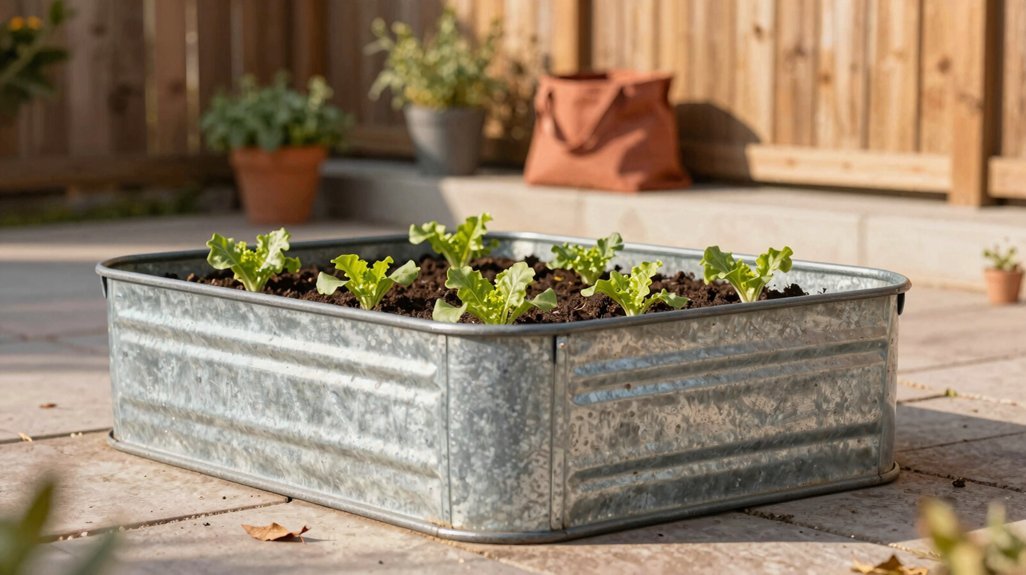
I’m selecting a galvanized raised bed, and I’ve learned that five factors determine whether it’ll thrive or fail. Size and dimensions dictate what you can grow: tomatoes need 24 inches of depth, while lettuce manages with 12. Material thickness, measured in gauge (lower numbers mean thicker steel), prevents warping. Assembly complexity ranges from snap-together panels to bolted frames that’ll cost you an afternoon.
My favorite feature is drainage design. Look for pre-drilled holes or you’ll be drilling them yourself. Match these to your space, budget, and patience. Skip the cheap 30-gauge models unless you enjoy replacing beds every two seasons.
Recommended Products
4X2X1FT GROWING SPACE: This oval raised garden bed measures 4 x 2 x 1 ft, providing 7+ cu. ft. of organized growing space for vegetables, herbs, flowers, strawberries and selected root crops. Its compact footprint fits naturally into backyards, lawns and small outdoor gardens while keeping plants easy to reach and maintain.

【24'' Growing Depth】Measuring 48"(L) x 24"(W) x 24"(H), the metal raised garden bed holds 144 gallons of soil and provides extra large growing space for vegetables, fruits, flowers and other plants.

OUTDOOR PLANTER BED: Raised garden bed planter for growing plants in outdoor areas where healthy ground soil is not viable or available
Size and Dimensions
How do you pick the right fit? I measure my space, then match dimensions to my crops. Raised bed size, length × width × depth, determines soil volume and growing area. I always choose 1-foot depth minimum. Deep beds support tomatoes and broccoli without root disturbance.
Open-bottom designs balance drainage with root access to native soil. Extra-wide beds give more planting area, but I watch for bowing under soil load. Pack configurations change everything: single large beds versus 2-pack sets alter my total footprint and installation planning. My favorite setup pairs two medium beds for crop rotation. Width over 4 feet demands sturdier framing. Measure twice. Buy once.
Material Thickness
Why does thickness matter so much? Thicker galvanized steel, the zinc-coated metal that resists rust, delivers genuine rigidity. Thin sheets bow under soil weight. Thick sheets hold their shape.
You’ll find beds ranging from 0.3 mm to 1.0 mm, with premium options hitting 1.56 mm. I favor 0.8 mm minimum for any serious planting. Below that, deformation risks multiply.
Longer spans demand stronger metal. A 6-foot bed with thin walls warps; thick walls stay true. Corrosion resistance improves proportionally. Thicker zinc coating lasts longer.
Open-bottom designs pair beautifully with adequate thickness. Drainage flows freely while stability remains absolute.
My recommendation: measure before buying. Verify stated thickness with calipers if possible. Cheap beds exaggerate specs. Your investment deserves protection.
Depth Requirements
What depth truly matters for your galvanized bed? Depth determines root penetration and nutrient access, with 1 ft to 2 ft depths dominating the market. Deeper beds, my favorite at 2 ft, retain moisture through increased soil volume, reducing watering frequency dramatically. Shallow beds around 1 ft weigh less and move easily, but they choke deep-rooted crops like tomatoes and broccoli.
Open-bottom designs transform how depth functions. They channel excess water into native soil, supporting root respiration: the process where roots absorb oxygen. Without this drainage pathway, water pools and suffocates roots regardless of bed height.
Match depth to your crops’ root systems and maintenance tolerance. Deep beds demand more soil and upfront cost. Shallow beds require vigilant watering.
For versatility, I recommend 18 inches: sufficient for most vegetables without excessive material costs.
Assembly Complexity
Where does the real work begin? Assembly complexity determines how quickly you’ll move from box to garden. I examine three mechanical factors: fastener count, pre-drilled holes, and modular components, pieces that connect without custom cutting.
Purchase criteria favor kits with labeled parts and clear diagrams. These reduce errors. Tool-free assembly saves roughly 30 minutes per bed. My favorite designs include consolidated hardware packaging, no hunting for missing screws.
Most users match with minimal-tool options. One caveat: open-bottom designs simplify placement but demand careful handling during setup.
I recommend pre-drilled systems with included hardware. These align precisely. Modular braces add stability without complexity. Avoid unlabeled multi-bed kits unless you enjoy puzzles.
Drainage Design
The drainage system determines whether your plants thrive or drown. I examine open-bottom designs, which allow water to flow through soil into native ground below. This prevents root rot, a fungal condition that kills plants in soggy soil.
Deeper beds, those exceeding 12 inches, demand precise soil mixes balancing drainage against moisture retention. My favorite approach combines coarse materials with finer compost.
Galvanized beds lack built-in channels, so I grade my site slightly and mulch heavily. This stops water pooling at metal edges. The soil-subsoil interaction accelerates drainage dramatically. You must compensate with supplemental watering during dry spells.
For most gardeners, I recommend open-bottom construction without liners. It delivers superior drainage performance at zero added cost.
Stability Features
How does a bed hold its shape when soil presses outward with tons of force? Thick metal provides structural rigidity, helping joints withstand pressure and reducing looseness. Reinforced centers or connecting rods enhance stability in longer beds. Open-bottom designs alter weight distribution and soil load transfer.
Low-profile designs improve balance on soft surfaces but require anchoring to prevent tipping. Galvanized finishes and sturdy frames resist bowing under heavy soil and mulch. I prioritize beds with reinforced bracing for spans exceeding four feet. My favorite systems include cross-support bars.
Avoid thin-gauge panels; they deform. Check ground conditions before selecting profile height. Secure anchoring matters on slopes. This combination ensures lasting performance.